The dream of owning a home is a cornerstone of financial security for millions of families in India. However, this dream is facing a significant challenge from an unexpected source: geopolitical instability in West Asia. The ongoing crisis is creating a ripple effect across the global economy, driving up input costs for various industries, with India’s real estate sector feeling the heat acutely. This surge in expenses is putting immense pressure on the already thin profit margins of affordable housing projects, threatening to shrink supply just when urban demand is at its peak.
How West Asia Tensions Translate to Higher Costs
The connection between a distant conflict and the cost of an apartment in an Indian city might not seem direct, but it is deeply intertwined. The primary channel of impact is through global crude oil prices. Geopolitical tensions in West Asia, a major oil-producing region, often lead to supply concerns, causing a spike in oil prices. According to the Reserve Bank of India (RBI), volatile crude prices have a direct bearing on domestic inflation.
This has a multi-pronged effect on construction:
- Transportation and Logistics: Higher fuel costs directly increase the expense of transporting raw materials like cement, steel, bricks, and sand from factories and quarries to construction sites.
- Raw Material Manufacturing: The production of key construction materials is energy-intensive. Steel and cement plants, for instance, consume vast amounts of energy, and rising fuel costs inflate their operational expenses, which are then passed on to buyers.
- Petroleum-Based Products: Many essential construction materials, including pipes, insulation, paints, and waterproofing agents, are petroleum derivatives. A rise in crude oil prices directly increases the cost of these items.
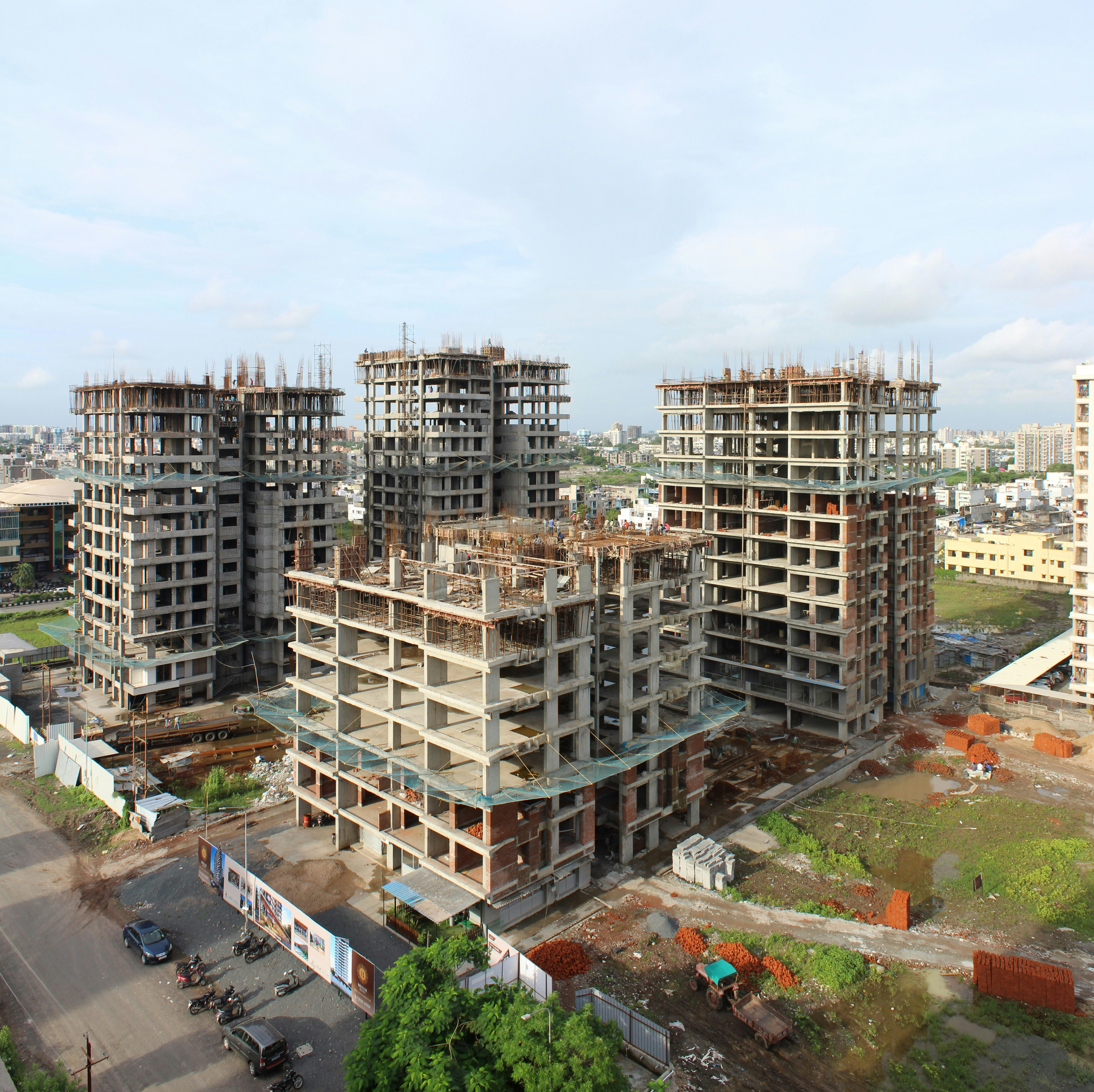
The Economics of Affordable Housing: A High-Volume, Low-Margin Game
Unlike luxury real estate, the affordable housing segment operates on a fundamentally different business model. It is a high-volume, low-margin business where developers aim to sell a large number of units with a modest profit on each. Under government schemes like the Pradhan Mantri Awas Yojana (PMAY), affordable properties have price caps, leaving developers with very little room to absorb unexpected cost escalations.
Industry analyses from real estate consultancies like ANAROCK have consistently shown that developers in this segment work with net margins often in the single digits or low double-digits (around 8-12%). When the cost of crucial inputs like steel, cement, and labour rises by 15-20%, these margins are completely wiped out, turning viable projects into potential loss-making ventures. Consequently, developers become hesitant to launch new projects or may even be forced to halt existing ones.
Unwavering Demand Meets a Shrinking Supply Pipeline
The irony is that this supply-side hesitation comes at a time of immense and growing demand. India’s rapid urbanisation has created a significant housing shortage, particularly for the Economically Weaker Section (EWS) and Low-Income Group (LIG). While the government’s ‘Housing for All’ mission has made strides, the supply-demand gap remains substantial. However, recent data indicates a worrying trend: the share of affordable housing in new property launches across major cities has been declining.
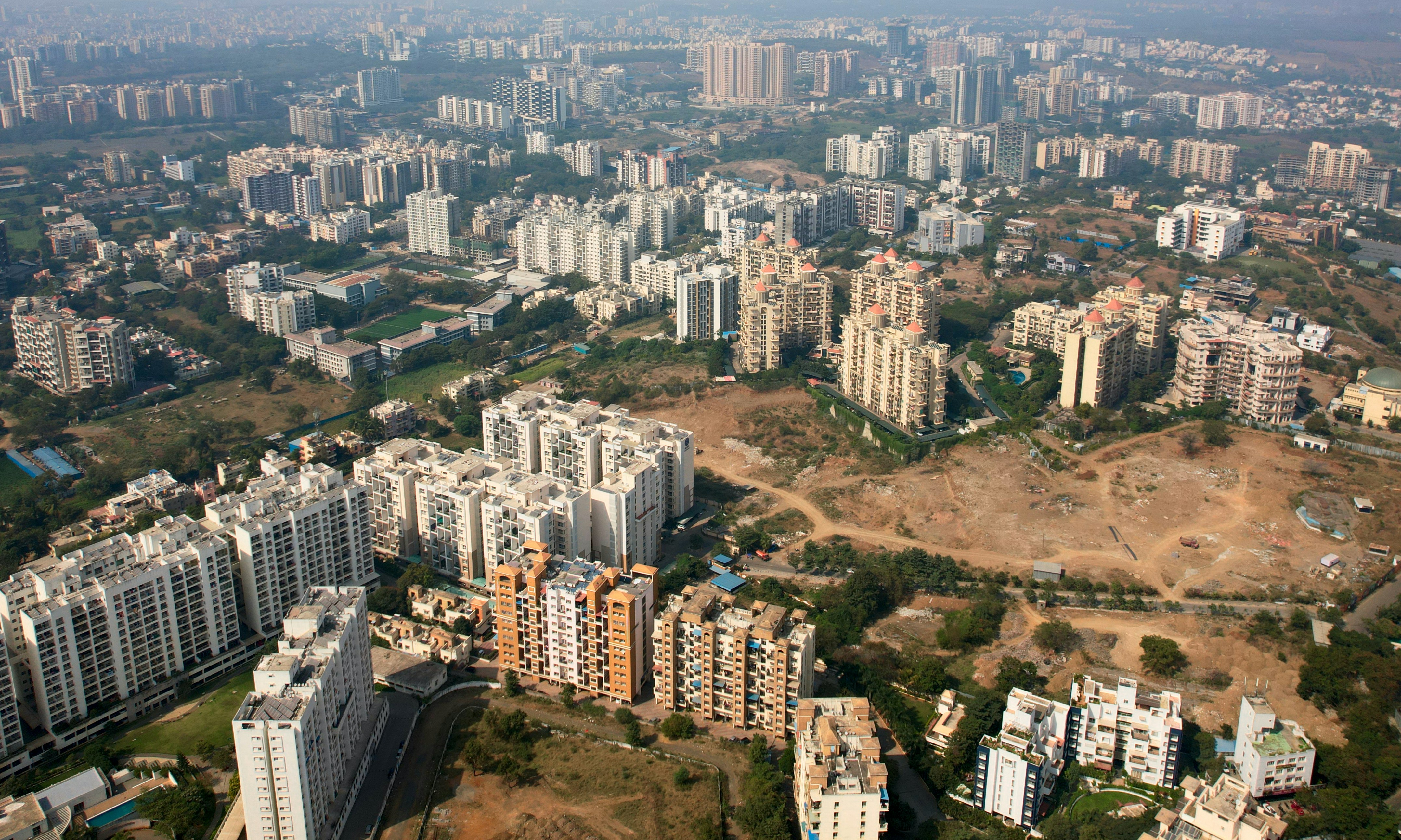
Developers are increasingly pivoting towards mid-range and premium projects where they have the flexibility to pass on increased costs to homebuyers and protect their margins. This strategic shift leaves a void in the affordable segment, directly impacting the very people the PMAY scheme aims to help. The result is a market paradox: millions are eager to buy affordable homes, but builders cannot afford to construct them.
Navigating the Crisis: Potential Solutions and Government’s Role
Addressing this challenge requires a coordinated effort from both policymakers and industry players. Relying on market forces alone may prove insufficient when external shocks are so severe. Potential solutions include:
- Government Intervention: The government could consider short-term relief measures like reducing the GST on key construction materials like cement and steel. Streamlining the approval process through a robust single-window clearance system can also significantly cut down project timelines and reduce overhead costs for developers.
- Technological Innovation: Adopting modern and cost-effective construction technologies, such as pre-cast or modular construction, can help reduce waste, speed up construction, and lower labour dependency, thereby mitigating some of the cost pressures.
- Industry Collaboration: Developer consortiums could explore bulk sourcing of raw materials to negotiate better prices, creating economies of scale that individual builders cannot achieve alone.
The mission of providing Housing for All is a national priority. To keep it on track, the affordable housing sector must be insulated from such global volatilities. A proactive and collaborative approach is not just a strategic choice but a necessity to ensure that the dream of homeownership remains within reach for the average Indian citizen.
Frequently Asked Questions (FAQs)
1. How does the West Asia crisis indirectly affect my home loan EMI?
The crisis drives up crude oil prices, which increases overall inflation in India. To control inflation, the Reserve Bank of India (RBI) may increase the repo rate. When this happens, banks typically raise the interest rates on their loans, including home loans, which can lead to a higher Equated Monthly Instalment (EMI) for new and existing borrowers on floating-rate loans.
2. What specific construction materials are most affected by rising costs?
Steel and cement are the two most significantly affected materials as their production is highly energy-intensive. Beyond these, the costs of PVC pipes, electrical wiring, paints, and waterproofing chemicals also rise as they are petroleum by-products. Furthermore, higher diesel prices increase the cost of bricks and sand due to transportation expenses.
3. Are developers stopping affordable housing projects completely?
Developers are not stopping projects entirely, but there is a noticeable slowdown in new launches in the affordable category. Many are delaying the start of new projects, hoping for costs to stabilise. Instead, there is a strategic shift towards launching more mid-segment and premium properties where profit margins are healthier and can better absorb the increased input costs.
4. What is the government doing to counter these rising construction costs for affordable housing?
The government has several initiatives under the PMAY scheme, such as interest subventions and subsidies. It has also pushed for the adoption of new construction technologies to reduce costs. Industry bodies have been appealing for further measures, such as a temporary reduction in the Goods and Services Tax (GST) on cement and steel and ensuring faster project approvals to cut overheads, but concrete steps on these fronts are awaited.
5. As a homebuyer, should I wait for affordable housing prices to come down?
Waiting for a significant price drop might not be a wise strategy in the current inflationary environment. While the pace of price hikes might slow, a reduction is unlikely given the high demand and rising construction costs. Prospective buyers who have the financial stability may find it more beneficial to buy now before prices potentially escalate further. It is crucial to assess your budget and explore projects from reputable developers.