The narrative of affordable housing in India is undergoing a seismic shift. For years, government reports and market analyses have pointed to a declining share of affordable housing in new property launches, creating a paradox of high demand and dwindling supply. However, according to Shekhar Patel, President of the Confederation of Real Estate Developers’ Associations of India (CREDAI), this data paints a distorted picture. He argues that an outdated price cap of ₹45 lakh is masking the true state of the market, where rising costs and a boom in Tier II and Tier III cities are writing a new story for affordable homes.
The Problem with the Current Price Cap
At the heart of the issue is the government’s definition of affordable housing. Currently, a home qualifies for this segment if it has a carpet area of up to 60 sq. m. in metropolitan cities (or 90 sq. m. elsewhere) and is valued at up to ₹45 lakh. While this definition was practical when introduced, it has not been revised to keep pace with inflation and a sharp rise in construction expenses.
Shekhar Patel recently highlighted that this rigid price cap makes it nearly impossible for developers to launch projects in metropolitan areas that fit the official “affordable” criteria. The economics simply don’t work. This leads to official data showing a steep decline in affordable housing launches, which, while technically true by definition, doesn’t reflect the on-ground reality of developer intent and buyer demand.
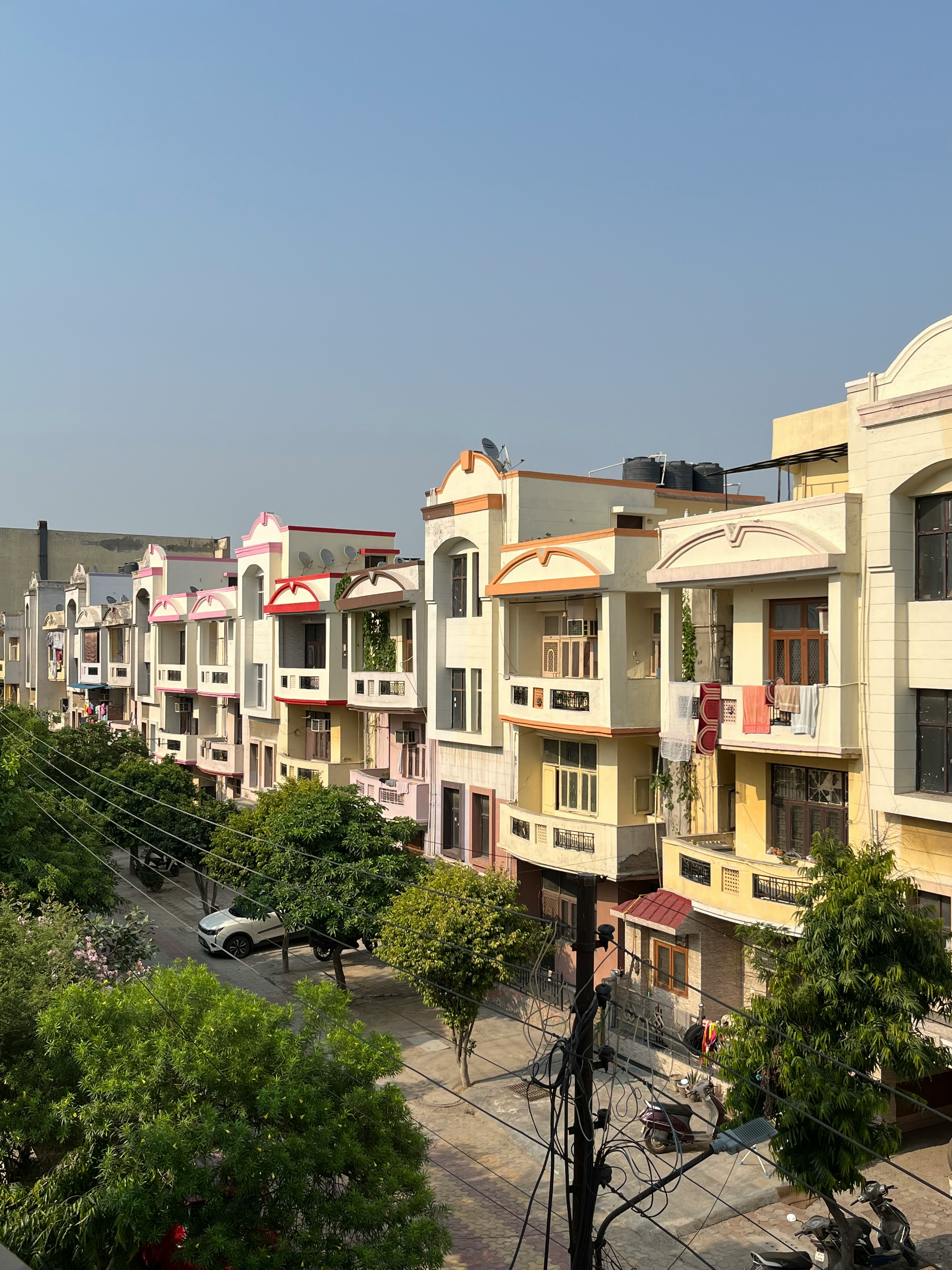
Surging Construction Costs: A Developer’s Dilemma
The viability of the ₹45 lakh cap has been severely eroded by a significant increase in input costs. Over the past few years, the real estate sector has grappled with a 30-40% surge in the prices of essential materials like steel and cement, alongside rising labor costs. This has squeezed developer margins, particularly in the price-sensitive affordable segment.
According to a report by real estate consultant ANAROCK, the share of affordable housing (under ₹40 lakh) in the top 7 cities dropped from 38% in 2019 to just 19% in 2023. This isn’t due to a lack of demand, but because building within this price bracket in major urban centers has become economically unfeasible. Developers are forced to either move to the mid-range segment or explore new geographical markets where costs are more manageable.
A New Dawn: The Rise of Real Estate in Tier II & III Cities
The most significant shift in India’s housing narrative is the emergence of Tier II and Tier III cities as the new engines of growth. As property in metros becomes increasingly expensive, both homebuyers and developers are turning their attention to cities like Jaipur, Lucknow, Coimbatore, and Indore. These cities offer a winning combination of improved infrastructure, growing job opportunities, and more accessible land prices.
In these markets, developers can offer high-quality homes at price points that are genuinely affordable for the local population, even if they don’t strictly adhere to the ₹45 lakh national cap. A property priced at ₹50-60 lakh in a Tier II city offers significantly more value and space than a similarly priced or even a non-existent affordable unit in a metro. This geographic rebalancing is where the real affordable housing story is unfolding.
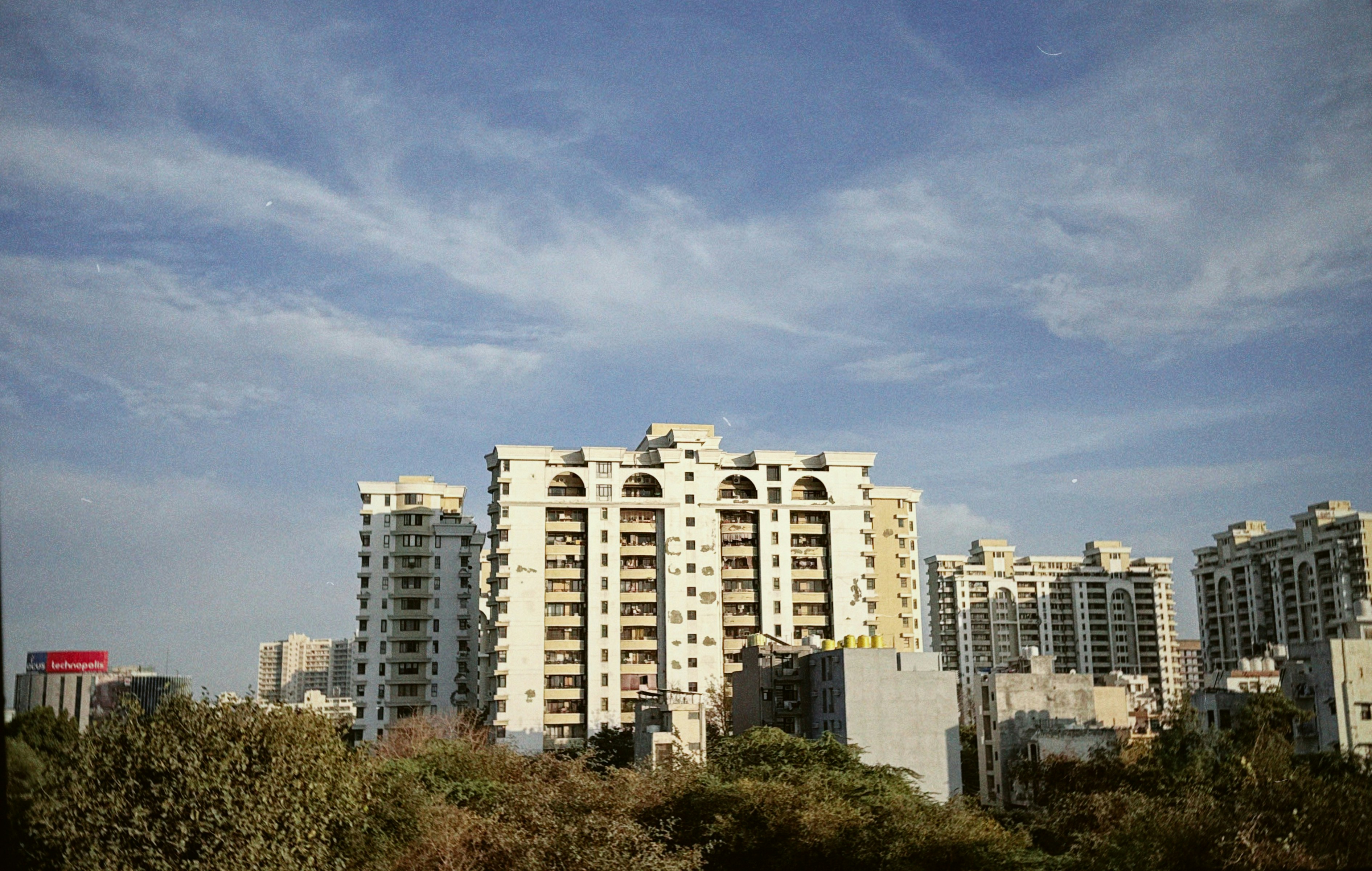
CREDAI’s Call to Action: A Plea for Policy Revision
In light of these market realities, CREDAI is urging the government to adopt a more nuanced and dynamic approach. The industry body is advocating for a critical revision of the affordable housing definition. Their key recommendations include:
- City-Specific Price Caps: Instead of a one-size-fits-all ₹45 lakh limit, CREDAI proposes different caps for various city tiers. Metros would have a higher threshold, reflecting the higher land and construction costs, while Tier II and III cities would have separate, realistic limits.
- Inflation Indexation: Linking the price cap to an inflation index would ensure it remains relevant and doesn’t become obsolete every few years.
- Boosting Supply: A revised definition would unlock benefits for both homebuyers (like interest subvention under schemes such as PMAY – Pradhan Mantri Awas Yojana) and developers, encouraging a fresh infusion of supply into the market.
The Future of Affordable Housing in India
The concept of “Housing for All” remains a critical national goal, but achieving it requires policies that reflect the current economic landscape. The narrative championed by Shekhar Patel and CREDAI is not about making houses more expensive; it’s about acknowledging that the goalposts have already shifted. By clinging to an outdated definition, we risk misinterpreting the market and failing to support the very segment we aim to help.
The future of affordable housing in India lies in a flexible policy framework that empowers developers to build in viable locations and enables homebuyers across the country to find a home that is truly affordable for them. The vibrant growth in Tier II and III cities is a testament to the market’s resilience and adaptability. It is now up to policymakers to listen and adapt, ensuring the dream of a home becomes a reality for millions more.
Frequently Asked Questions (FAQs)
1. What is the current official definition of affordable housing in India?
Affordable housing is defined by the government based on carpet area and value. For metropolitan cities like Delhi-NCR, Mumbai, Chennai, and Kolkata, a unit must not exceed 60 square meters in carpet area. For the rest of India, the limit is 90 square meters. The property value for both categories must not exceed ₹45 lakh to qualify for benefits.
2. Why are developers launching fewer affordable housing projects in metro cities?
Developers are launching fewer projects under the official “affordable” tag in metros because the ₹45 lakh price cap is unviable. A sharp increase of 30-40% in construction costs (cement, steel) and high land values in major cities make it economically impossible to build and sell a property within this limit while maintaining quality and profitability.
3. How are Tier II and III cities becoming the new focus for affordable housing?
Tier II and III cities offer lower land costs, reduced administrative overhead, and a growing population with increasing disposable income. This allows developers to build larger, better-quality homes at prices that are affordable for local residents. These markets present a more sustainable business model for developers looking to serve the value-focused homebuyer segment.
4. What changes is CREDAI suggesting for the affordable housing policy?
CREDAI is proposing a significant policy revision. Their primary suggestion is to replace the uniform ₹45 lakh cap with city-specific pricing tiers. This would mean a higher price ceiling for expensive metropolitan areas and different, realistic caps for Tier II and Tier III cities. They also recommend linking these caps to an inflation index for automatic revision.
5. Will redefining ‘affordable housing’ make homes more expensive for buyers?
No, the redefinition aims to align policy with market reality, not to inflate prices. The goal is to encourage developers to build more homes that are already in the ₹50-₹70 lakh range in metros, which are currently the “real” affordable option for many. By bringing these units under the official definition, homebuyers can access benefits like interest subventions, which would effectively lower their overall cost.