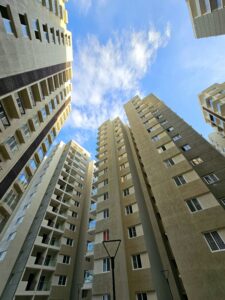
The dream of owning a home is a cornerstone of Indian aspiration, a goal the government has actively pursued through initiatives like “Housing for All.” However, the very definition of “affordable housing” is being challenged by stark economic realities. According to Shekhar Patel, President of the Confederation of Real Estate Developers’ Associations of India (CREDAI), a combination of outdated price caps, soaring input costs, and a dynamic shift in demand towards Tier II and Tier III cities is fundamentally reshaping India’s affordable housing narrative.
The Great Disconnect: Why the ₹45 Lakh Cap Is Obsolete
For years, the Indian government has defined affordable housing based on specific parameters: a carpet area of up to 90 square metres in non-metropolitan cities and 60 square metres in metropolitan areas, with a property value capped at ₹45 lakh. While this definition helped streamline subsidies and benefits under the Pradhan Mantri Awas Yojana (PMAY), it is becoming increasingly disconnected from the current market.
Shekhar Patel argues that this price cap is no longer viable for developers, especially in major urban centres. The primary culprits are the relentless increases in the cost of land and essential construction materials. Over the past few years, prices for steel, cement, labour, and other critical inputs have surged, making it nearly impossible to deliver a quality housing unit under the ₹45 lakh ceiling in Tier I cities. This has created a significant data distortion: the supply of official “affordable housing” units has plummeted in reports, not because demand has vanished, but because developers can no longer afford to build them within the prescribed limits.
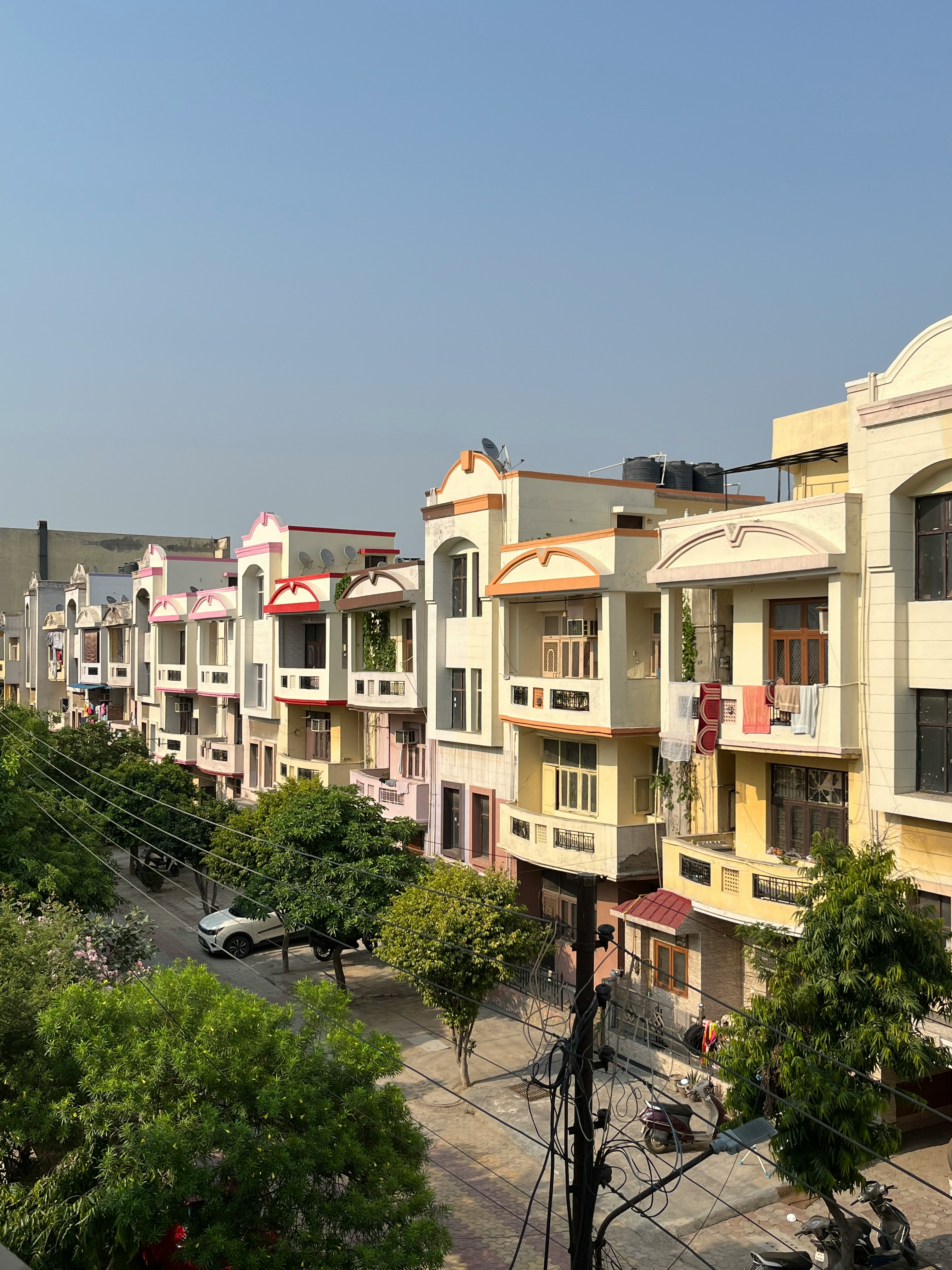
A New Dawn: The Rise of Tier II and Tier III Cities
While the affordable housing segment faces headwinds in metro cities, it is experiencing a renaissance in India’s emerging urban centres. Tier II and Tier III cities like Jaipur, Lucknow, Coimbatore, and Indore are becoming the new epicentres of real estate growth. Several factors are fueling this shift:
- Infrastructure Growth: Massive government investment in highways, airports, and digital infrastructure has improved connectivity and made these cities more attractive for businesses and residents.
- Economic Opportunities: The expansion of IT/ITeS industries and manufacturing beyond the metros has created new job markets, pulling in talent from across the country.
- Improved Quality of Life: Many homebuyers are drawn to the promise of a better work-life balance, less congestion, and a lower cost of living in these cities.
- Feasible Development Costs: Crucially, land prices in Tier II and III cities are significantly lower than in the metros. This allows developers to absorb the rising material costs and still deliver projects within a price range that is genuinely affordable for the local population.
This migration of demand is not just anecdotal. Real estate consulting firms have consistently reported a growing share of housing sales coming from these emerging markets, a trend accelerated by the remote work culture post-pandemic. For developers, this shift represents a vital new frontier for growth in the affordable and mid-segment housing categories.
Redefining “Affordable” for a New India
To revive the supply of affordable homes across the country, CREDAI has been vocal about the need for policy reforms. The central demand is to revise the outdated ₹45 lakh price cap. Rather than a one-size-fits-all limit, industry experts propose a more dynamic approach, perhaps linking the cap to the prevailing market rates or property price indexes of individual cities. This would create a more realistic framework that reflects local economic conditions.
Beyond revising the price ceiling, other structural interventions could prove beneficial:
- Input Cost Rationalisation: A long-standing request from the real estate sector is the reduction of the Goods and Services Tax (GST) on key construction materials like cement and steel.
- Single Window Clearances: Streamlining the project approval process would reduce administrative delays and cost overruns, making more projects financially viable.
- Land Availability: Unlocking unused land held by various government bodies for affordable housing projects could help alleviate the high cost of land acquisition in urban areas.
As Shekhar Patel emphasizes, the goal is not just to build houses but to create a sustainable ecosystem where developers are incentivized, and homebuyers have access to quality, fairly-priced homes. For more information on the industry’s perspective, you can visit the official CREDAI website and learn more about government housing initiatives on the PMAY (Urban) portal.
The Path Forward: A Collaborative Approach
The narrative of affordable housing in India is at a crossroads. The story is no longer confined to the packed lanes of Tier I cities but is expanding into the promising landscapes of Tier II and III India. The challenges of rising costs are real, but so are the opportunities presented by this geographic realignment. Meeting the ambitious “Housing for All” target requires a forward-thinking and collaborative approach. Policymakers, developers, and financial institutions must work in concert to update definitions, rationalize costs, and create an environment where the dream of homeownership can become a reality for millions more Indians, wherever they choose to call home.
Frequently Asked Questions (FAQs)
1. What is the current government definition of affordable housing in India?
Currently, the Indian government defines affordable housing based on a property’s value and size. The value is capped at ₹45 lakh. The carpet area must not exceed 60 square metres (approx. 645 sq. ft.) in metropolitan cities (like Delhi, Mumbai, Chennai, Kolkata) and 90 square metres (approx. 968 sq. ft.) in non-metropolitan cities and towns.
2. Why does CREDAI believe the affordable housing data is distorted?
CREDAI, led by Shekhar Patel, argues the data is distorted because the rigid ₹45 lakh price cap has not been updated to reflect the sharp increase in land value, labour wages, and the cost of construction materials like steel and cement. Consequently, developers cannot build projects under this cap in many cities, leading to a fall in the official supply of “affordable” units, even though strong underlying demand for budget-friendly homes persists.
3. Which factors are driving the growth of housing demand in Tier II and III cities?
The demand surge in Tier II and III cities is driven by a combination of improved infrastructure, the establishment of new business and IT hubs creating local employment, a lower cost of living, and a better quality of life. The viability of developing affordable projects due to lower land costs and the post-pandemic rise of remote work culture have also significantly contributed to this trend.
4. What are the major challenges for developers in the affordable housing segment?
The primary challenges for developers are managing the high and continuously rising costs of construction materials and labour against a fixed price cap. In major cities, the prohibitive cost of land is the biggest barrier. Additionally, navigating complex regulatory approvals can cause significant delays and increase project costs, further squeezing the thin profit margins in this segment.
5. How can the government help revive the supply of affordable housing in major cities?
The government could revive supply by revising the ₹45 lakh price cap to a more realistic, city-specific figure. Other key interventions include rationalizing the GST on construction inputs, introducing a single-window clearance system to expedite project approvals, and releasing government-owned land parcels specifically for the development of affordable housing projects.