The dream of homeownership is a cornerstone of financial stability for millions of Indians. Yet, the very definition of “affordable housing” is facing a critical stress test. According to Shekhar Patel, President of the Confederation of Real Estate Developers’ Associations of India (CREDAI), the sector is at a crossroads. A combination of outdated government price caps, soaring construction costs, and a significant demographic shift towards Tier II and Tier III cities is fundamentally reshaping India’s affordable housing narrative.
The Core Conflict: Outdated Price Caps vs. Market Reality
For a property to be classified under “affordable housing” and qualify for associated benefits like lower GST rates and priority sector lending, it must adhere to specific price caps. The Reserve Bank of India (RBI) currently defines this as a unit priced up to ₹45 lakh in metropolitan cities and ₹30 lakh in non-metropolitan areas. However, industry leaders argue that this one-size-fits-all figure has become detached from the economic realities of 2024.
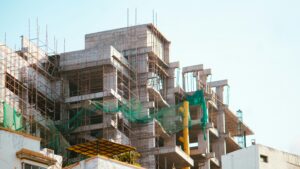
Shekhar Patel has been vocal that this ₹45 lakh limit is “unrealistic,” especially in major urban centres where land acquisition costs alone can be staggering. The sharp increase in raw material prices and labour wages over the past few years has squeezed profit margins, making it financially unviable for developers to launch projects within this price bracket. Consequently, the supply of new affordable housing units in major cities has dwindled, a trend confirmed by numerous industry reports.
The Rising Tide of Construction Costs
The challenge of adhering to the ₹45 lakh cap is compounded by relentless inflation in input costs. The cost of essential construction materials has seen a significant surge:
- Steel: Prices have been volatile and have risen substantially post-pandemic, impacting the structural integrity costs of buildings.
- Cement: A foundational component, cement prices have steadily climbed, adding a significant burden to overall project expenses.
- Labour: Skilled and unskilled labour wages have also increased, driven by inflation and demand.
- Other Materials: Components like copper wiring, PVC pipes, and sanitary fittings have not been immune to price hikes.
This sustained cost escalation means that to deliver a quality home under the existing cap, developers would have to compromise on either location, size, or quality—none of which serves the homebuyer’s best interests. This is a key reason why the share of affordable housing in the total supply across India’s top cities has seen a noticeable decline, as developers pivot to more profitable mid-range and luxury segments.
A New Horizon: The Boom in Tier II and Tier III Cities
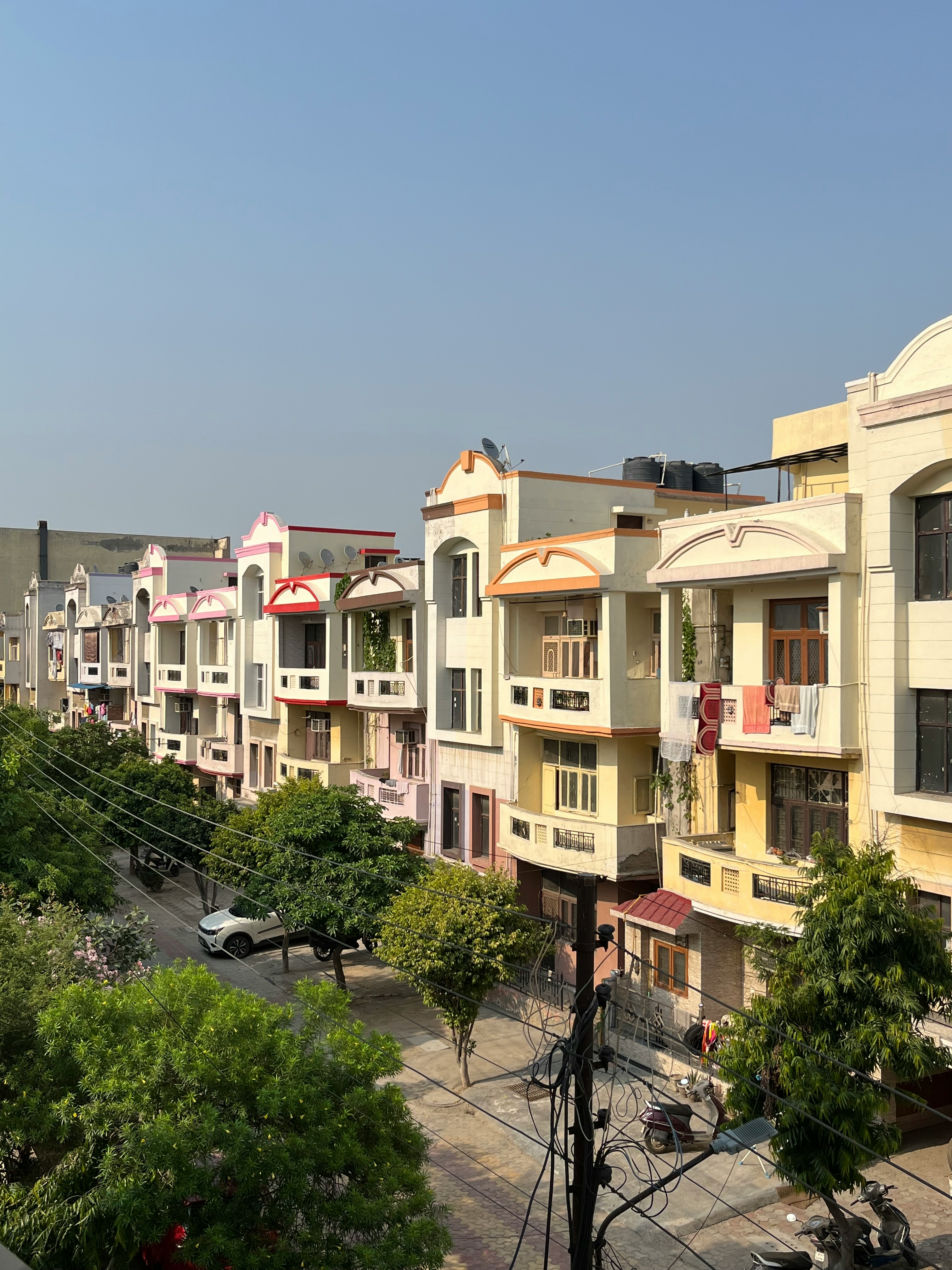
While the affordable housing segment faces headwinds in metro cities, a new and powerful trend is emerging in India’s smaller urban centres. The post-pandemic era, characterized by the adoption of remote and hybrid work models, has ignited a real estate boom in Tier II and Tier III cities like Jaipur, Lucknow, Coimbatore, Indore, and Visakhapatnam.
Several factors are driving this migration:
- Quest for Quality of Life: Families are seeking less congested environments, cleaner air, and a better work-life balance.
- Improved Infrastructure: Government focus on improving connectivity, including highways and airports, has made these cities more attractive.
- Job Creation: The IT and manufacturing sectors are increasingly expanding their footprint beyond the traditional metro hubs.
- Relative Affordability: Property prices and the cost of living are significantly lower than in Tier I cities, offering more value for money.
This demographic shift presents both an opportunity and a challenge. While it creates new markets for affordable housing, the existing price cap of ₹30 lakh for non-metros can be just as restrictive in these rapidly appreciating markets. As demand surges, land prices in these cities are also on the rise, creating a similar viability gap for developers.
Redefining “Affordable”: CREDAI’s Call for a Policy Rethink
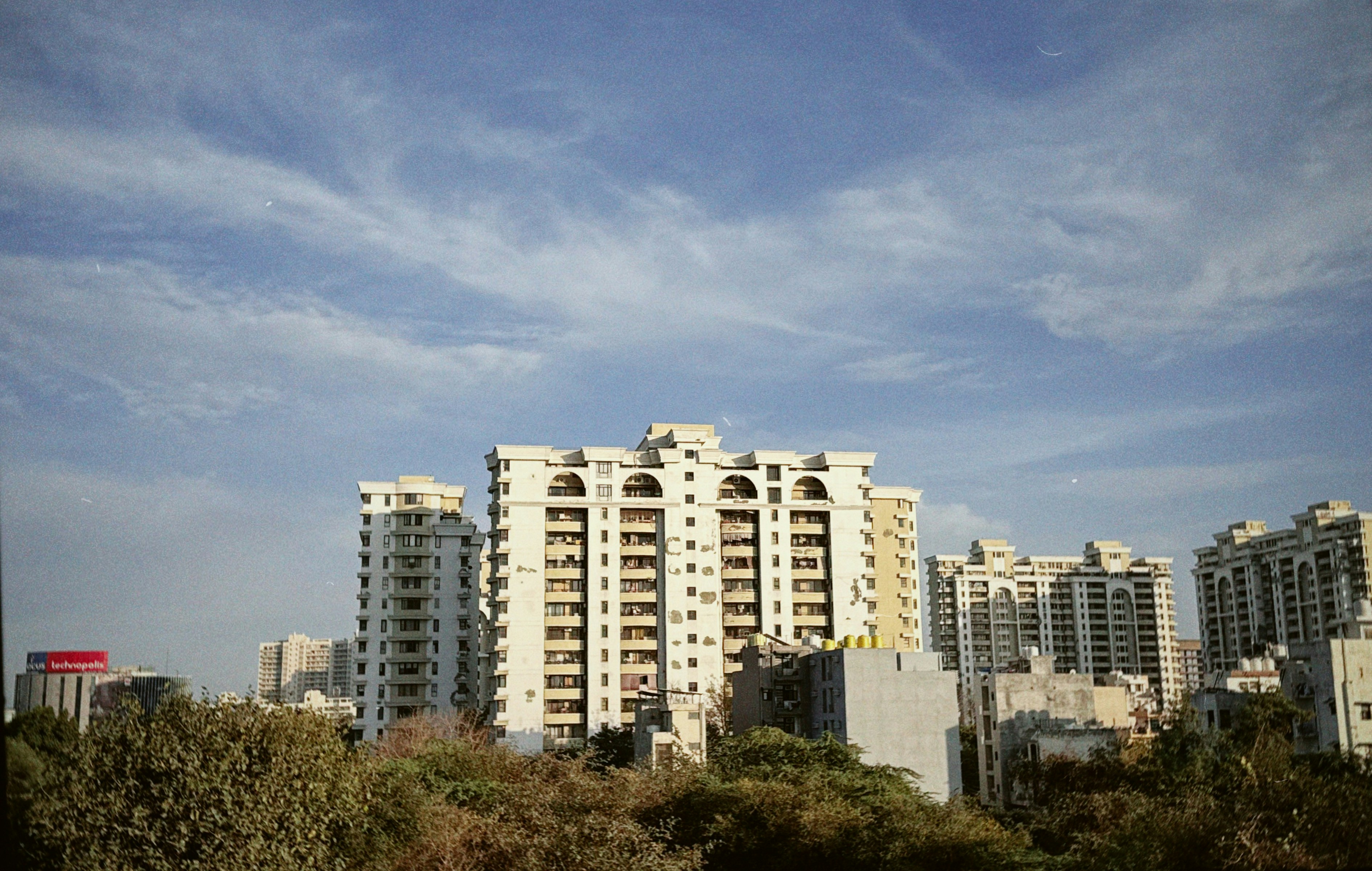
In light of these challenges, CREDAI is advocating for a critical re-evaluation of the affordable housing definition. The organization proposes that the price caps should be dynamic and city-specific, reflecting the vast economic diversity across India’s urban landscapes. A realistic price ceiling in Mumbai, for instance, cannot be the same as in Nagpur or Lucknow.
A revised definition would have several positive outcomes:
- Increased Supply: A more realistic price cap would incentivize developers to launch new projects in the affordable segment.
- Accurate Market Data: It would provide policymakers with a clearer picture of the actual demand and supply within the housing market.
- Better Policy Alignment: Government schemes like the Pradhan Mantri Awas Yojana (PMAY) could be more effectively targeted.
- Greater Transparency: Homebuyers would have a clearer understanding of the market and the options available to them.
The Path Forward for India’s Housing Dream
The conversation sparked by Shekhar Patel and CREDAI is not merely an industry concern; it is central to achieving the national goal of “Housing for All.” The current narrative, distorted by outdated metrics, fails to capture the true spirit of the market—a market that is expanding, shifting, and evolving. For India’s affordable housing story to have a happy ending, it needs a new chapter—one written with policies that are flexible, realistic, and attuned to the diverse economic heartbeats of its many cities.
Frequently Asked Questions (FAQs)
1. What is the current official definition of affordable housing in India?
Currently, the Reserve Bank of India (RBI) defines affordable housing for priority sector lending purposes based on price caps. A housing unit is considered affordable if its value is up to ₹45 lakh in a metropolitan city (with a population of one million or more) and up to ₹30 lakh in other, non-metropolitan centres.
2. Why does CREDAI believe the ₹45 lakh cap for affordable housing is outdated?
CREDAI argues the ₹45 lakh cap is outdated because it has not kept pace with significant increases in land value, construction material costs (like steel and cement), and labour wages. These rising expenses make it financially unviable for developers to build and sell quality homes within this price limit, especially in major metro areas, thereby stifling new supply.
3. Which factors are driving the demand for housing in Tier II and Tier III cities?
The demand is primarily driven by the rise of remote and hybrid work models, a growing desire for a better quality of life with less congestion, improved physical and digital infrastructure, job creation outside of metros, and the relative affordability of property and living costs compared to Tier I cities.
4. How do rising construction costs affect the affordable housing supply?
Rising construction costs directly squeeze the profit margins for developers building homes under a fixed price cap. When costs for essentials like cement, steel, and labour increase, it becomes difficult to deliver a project profitably. This financial pressure discourages developers from launching new affordable housing projects, leading to a significant reduction in supply.
5. What changes is CREDAI proposing to the government for the affordable housing sector?
CREDAI is proposing a major policy rethink, starting with making the definition of “affordable housing” more dynamic. They advocate for replacing the uniform national price cap with city-specific or region-specific caps that accurately reflect local land values and market conditions. This, they argue, would make such projects viable again and boost supply.