Wondering where to buy property in Mumbai? The right choice depends on budget, commute, lifestyle, and potential for long-term value. This guide highlights the best places to buy property in Mumbai across price points, identifies affordable areas in Mumbai and emerging investment hotspots, and shares due-diligence tips backed by credible sources.
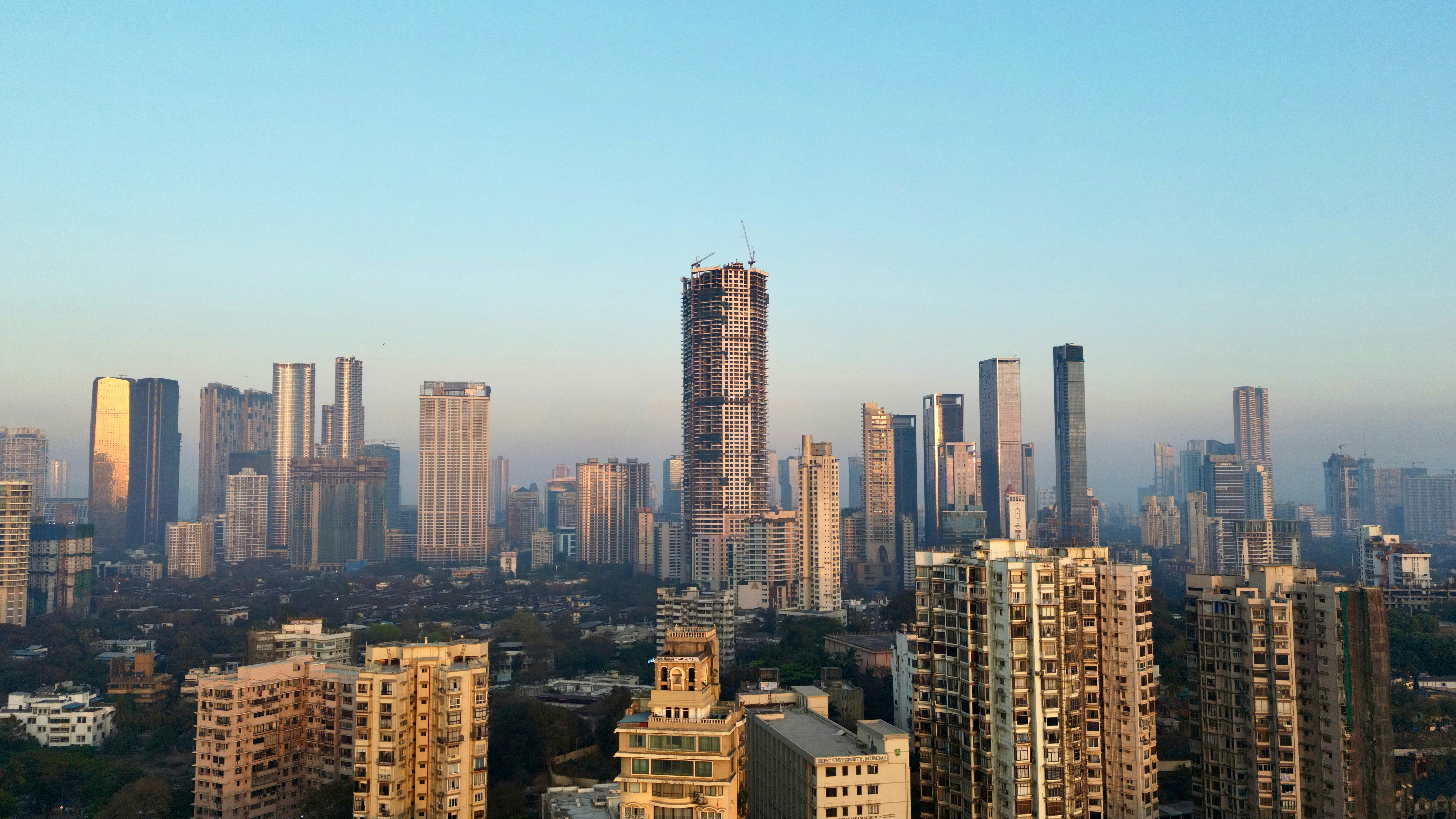
Where to buy property in Mumbai: how to choose
Before shortlisting neighborhoods, align choices to these fundamentals:
- Connectivity: Access to suburban rail, Metro corridors, and expressways significantly impacts both livability and resale value. Track ongoing and proposed lines via the Mumbai Metropolitan Region Development Authority (MMRDA). See: MMRDA.
- Social infrastructure: Proximity to schools, hospitals, offices, retail, and open spaces matters for end-use demand and rental absorption.
- Regulatory checks: Verify project registration and approvals on Maharashtra’s real estate regulator. See: MahaRERA.
- Market data: City-level price trends are published by credible institutions, including the Reserve Bank of India’s House Price Index and other official indicators. See: RBI Database on Indian Economy.
- Total cost of ownership: Beyond the agreement value, factor stamp duty, registration, GST (if applicable), maintenance, parking, and one-time society charges. State-ready references: IGR Maharashtra.
Best places to buy property in Mumbai by buyer profile
1) Prime and luxury: South Mumbai, Bandra–Juhu, Worli–Prabhadevi
Colaba, Cuffe Parade, Marine Drive, Malabar Hill, Bandra (Pali Hill), Juhu, Worli, and Prabhadevi remain Mumbai’s marquee addresses. They command premium pricing due to sea-facing inventory, heritage charm, top schools and hospitals, thriving F&B, and short commutes to key business districts (Nariman Point, Fort, BKC, Lower Parel). Liquidity is robust in quality buildings, but supply is limited and entry costs are high.
2) Upper mid-segment family hubs: Powai–Chandivali, Andheri East, Chembur, Wadala
Planned townships in Powai–Chandivali offer integrated living with schools, business parks, lakeside public spaces, and neighborhood retail. Andheri East balances job access and airport convenience. Chembur–Wadala has improved east–west connectivity via the Eastern Freeway and enhanced rail/road links; residential options range from compact to premium towers, making it attractive for both end-users and investors seeking stable rentals.
3) Value and upgrade markets: Goregaon–Malad, Kandivali–Borivali, Mulund–Bhandup
Western suburbs such as Goregaon, Malad, Kandivali, and Borivali benefit from employment nodes across Link Road and Western Express Highway. The operational Metro corridors along the western belt have eased commute times, improving liveability and rental prospects. In the central suburbs, Mulund–Bhandup offers a mix of mid-segment and upgrade inventory with access to the Eastern Express Highway and suburban rail.
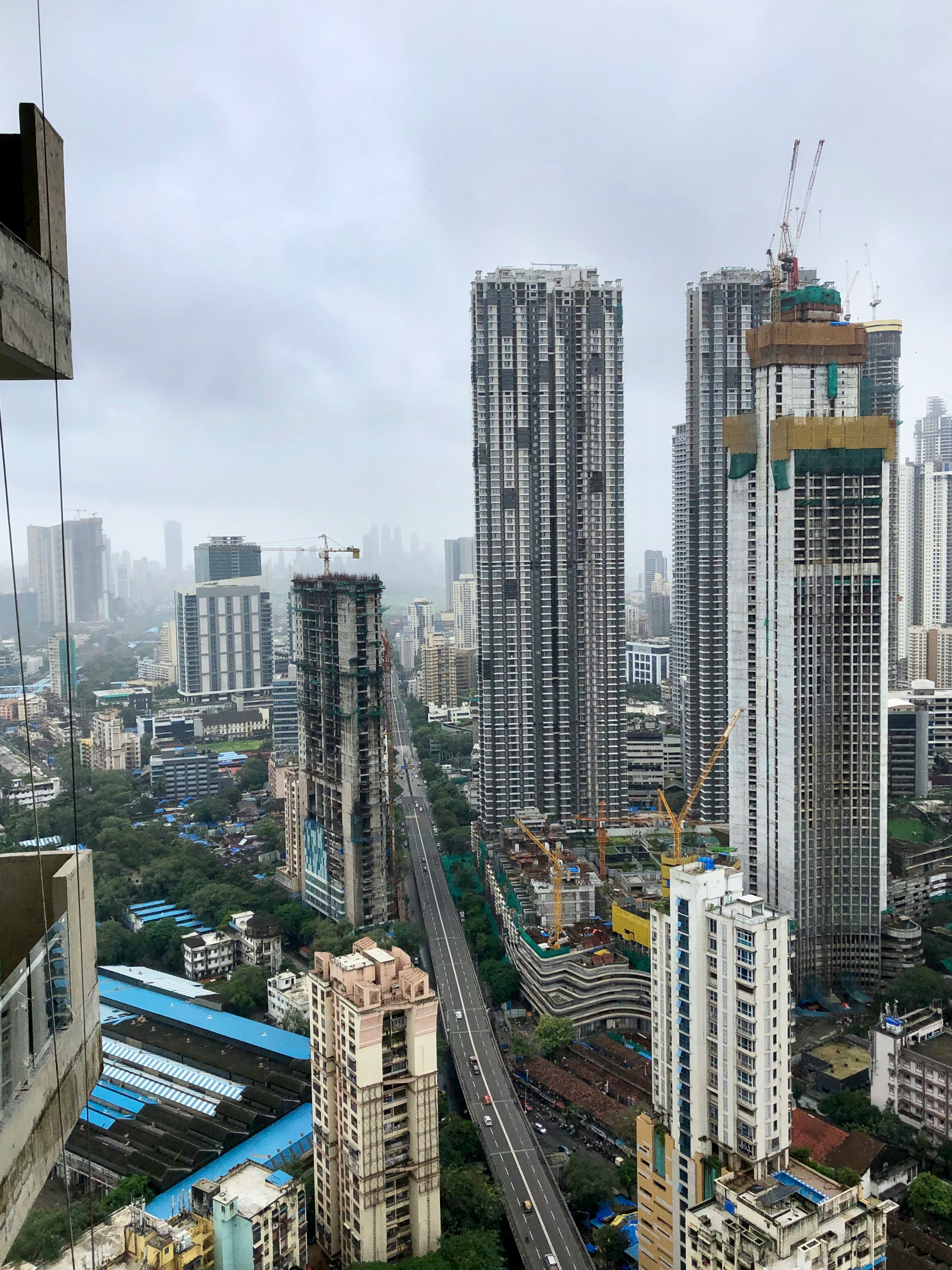
4) Affordable areas in Mumbai and nearby MMR
Within city limits, relatively affordable micro-markets often appear on the fringes of established suburbs—pockets of Dahisar, Kandivali East, Bhandup, and parts of Chembur offer compact apartments with improving connectivity. Budget-conscious buyers also explore neighboring MMR locations (while technically outside Mumbai city), such as Mira Road–Bhayandar, Kharghar–Taloja (Navi Mumbai), and Thane (Ghodbunder Road), which can provide larger homes at lower ticket sizes with strong infrastructure pipelines led by MMRDA.
5) Investment hotspots Mumbai: where momentum is building
- Wadala–Sion–Chembur: Benefiting from the Eastern Freeway and improving road/rail/Metro connectivity; a mix of redevelopment and new towers supports depth in demand.
- Goregaon East/West and Oshiwara district: Office spillovers and Metro-led commute gains sustain rental absorption; redevelopment is adding modern stock.
- Powai–Chandivali: Institutional-grade townships and business parks drive steady end-user and tenant demand, aiding long-term value retention.
- Mulund–Bhandup corridor: Connectivity to Thane and central Mumbai with improving social infrastructure creates a balanced owner–investor market.
- Dahisar–Borivali edges: Newer supply, Metro connectivity on the western belt, and proximity to Sanjay Gandhi National Park add end-use appeal.
Why infrastructure timing matters
Transit access is one of the strongest predictors of price and rental performance in Mumbai. Keep an eye on:
- Mumbai Metro network: Multiple lines are operational or under construction across the western, central, and eastern corridors, materially reducing travel times across key job hubs and residential areas. Project updates: MMRDA and the Line-3 (Colaba–Bandra–SEEPZ) implementing agency: MMRC.
- Major connectors: Improvements in east–west connectors, coastal corridors, and harbor links are reshaping commute patterns and expanding the city’s practical housing catchments.
For a data-backed perspective on price cycles, consult official indices and releases—such as the RBI’s House Price Index—available via the RBI Database on Indian Economy.
Due diligence checklist before you buy
- Verify RERA registration: Confirm project registration, approvals, and promoter details on MahaRERA.
- Check land/title and encumbrances: Review title reports, sanctioned plans, and any pending litigation; leverage government references and a competent property lawyer. See: IGR Maharashtra.
- Evaluate total cost: Account for stamp duty, registration, GST (for under-construction), parking, clubhouse, maintenance deposits, and brokerage if any.
- Assess flood and infrastructure risks: Consider contour, drainage, and building maintenance; prioritize societies with strong upkeep and resilience planning.
- Rental and resale potential: Benchmark rentals and resale liquidity by micro-market; proximity to transit, schools, hospitals, and offices is key.
Micro-market snapshots at a glance
- South Mumbai: Heritage, premium amenities, and limited new supply support long-term value; high entry costs, selective inventory.
- Bandra–Juhu–Santacruz: Lifestyle-led demand, quality schools/hospitals, strong rental market; premium pricing.
- Powai–Chandivali: Integrated townships with schools, retail, and business parks; good long-term end-user depth.
- Wadala–Chembur: Eastern Freeway access and improving transit; a broad price spectrum.
- Andheri–Goregaon–Malad: Job hubs, multiple commute options (rail, Metro, highway); varied budgets and active rental demand.
- Kandivali–Borivali–Dahisar: Family-centric suburbs with green pockets and improving Metro connectivity; relative value versus mid-western suburbs.
- Mulund–Bhandup: Balanced price points with central connectivity and strengthening social infrastructure.
Conclusion
Choosing where to buy property in Mumbai comes down to balancing budget, commute, and long-term plans. Prime areas suit end-users seeking lifestyle and scarcity value, mid-segment hubs offer livability with strong connectivity, and affordable pockets provide a practical entry into the city with room to grow. Back every decision with on-ground visits, regulatory checks on MahaRERA, and market data from trusted sources like the RBI Database on Indian Economy before you commit.
FAQs
Is it better to buy under-construction or ready-to-move in Mumbai?
Under-construction homes can offer lower entry prices and newer amenities, but carry construction and timeline risks; ready-to-move units reduce uncertainty and rental loss. Always verify RERA registration and project milestones on MahaRERA and review the builder’s track record.
Which areas offer relatively higher rental yields in Mumbai?
Neighborhoods close to transit and office hubs—such as Andheri, Goregaon, Powai–Chandivali, and parts of Wadala–Chembur—tend to see steady tenant demand, supporting competitive yields relative to ultra-prime areas where capital values are already elevated.
How much should I budget for stamp duty and registration in Mumbai?
Stamp duty and related charges vary by property value and buyer category per state notifications. In Mumbai, buyers typically budget for stamp duty, a metro cess component, and a registration fee. For current rates and calculators, refer to IGR Maharashtra.
Do sea-facing apartments cost more to insure?
Coastal exposure can influence insurance premiums and deductibles based on assessed risk. Obtain quotes from multiple insurers and review coverage for flood, cyclone, and storm surge. Guidance and regulations are available via the insurance regulator: IRDAI.
What documents should I check before finalizing a purchase?
Request the title deed, sanctioned plans, occupation/completion certificate (as applicable), RERA registration and approvals, no-encumbrance statement, society NOCs, and payment demand schedules. Cross-verify on MahaRERA and consult references on IGR Maharashtra.