Buying a home is one of the most significant financial milestones in a person’s life. It’s a decision filled with excitement and aspiration, but it’s also a complex transaction laden with legal intricacies. For decades, the Indian real estate sector was largely unregulated, leaving homebuyers vulnerable to project delays, fraudulent practices, and unilateral changes by developers. However, the legal landscape has shifted dramatically, empowering buyers like never before. Understanding these laws is not just beneficial; it’s essential for safeguarding your investment and ensuring peace of mind.
The Dawn of a New Era: The RERA Act, 2016
The biggest game-changer for the Indian real estate market has been the introduction of the Real Estate (Regulation and Development) Act, 2016 (RERA). Enforced in 2017, this landmark legislation was designed to bring transparency, accountability, and efficiency to the sector. Its primary goal is to protect the interests of homebuyers while boosting investment in the industry. Under RERA, every state is required to establish a Real Estate Regulatory Authority to oversee all real estate transactions.
As stated by the Ministry of Housing and Urban Affairs, RERA makes it mandatory for all commercial and residential real estate projects where the land is over 500 square meters, or the number of apartments proposed is more than eight, to register with the authority before any marketing or sale.
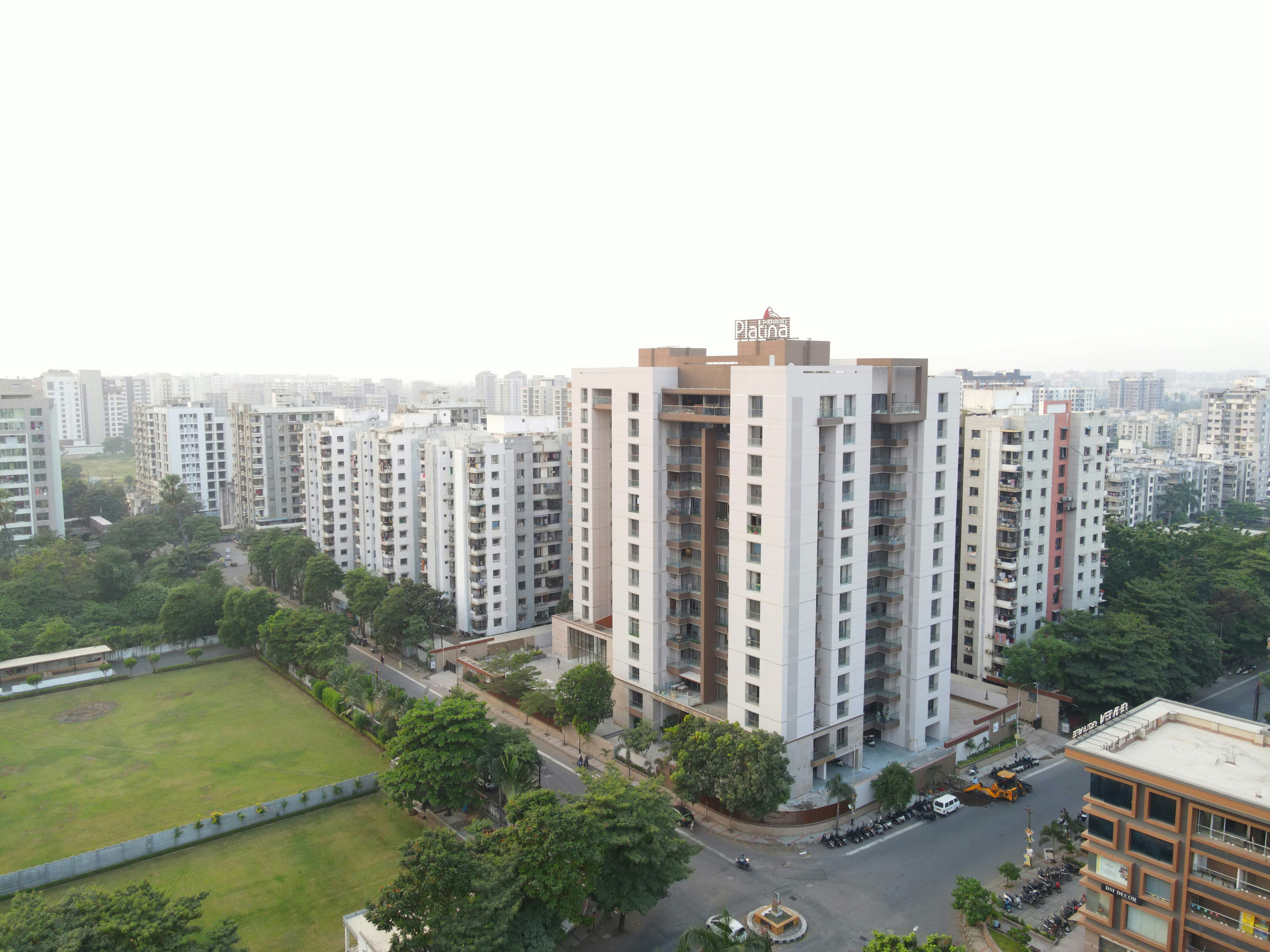
Your Unshakeable Rights as a Homebuyer Under RERA
RERA has armed homebuyers with a set of powerful rights. Knowing these can help you navigate your property purchase with confidence.
- Right to Access Information: Developers are obligated to provide you with comprehensive and accurate information about the project. This includes the sanctioned plan, layout, project specifications, stage-wise completion schedule, and details of all government approvals. You can access this on the state’s RERA website.
- Right to a Standardized Sale Agreement: RERA prescribes a model sale agreement to ensure fairness. This means developers cannot include punitive or one-sided clauses that put the buyer at a disadvantage.
- Right to Timely Possession: Builders must deliver the property by the date mentioned in the sale agreement. If they fail to do so, you have the right to either exit the project and claim a full refund with interest or continue with the project and receive compensation for every month of delay.
- Right Against Unilateral Changes: Any major additions or alterations to the sanctioned plans require the written consent of at least two-thirds of the allottees. A developer can no longer arbitrarily change the layout or specifications of your future home.
- Right to Claim a Refund: You are entitled to a full refund with interest if the developer cannot provide proper legal title to the land, defaults on commitments, or faces any other major breach of the agreement.
- Right to Quality Construction: The developer is responsible for fixing any structural defects or issues in workmanship for up to five years after possession. If they fail to do so, you are entitled to receive compensation.

Beyond RERA: Other Legal Protections for Buyers
While RERA is the primary law, several other legal frameworks offer additional layers of protection to homebuyers.
The Consumer Protection Act, 2019
Homebuyers are legally considered “consumers” who are availing a “service” from the developer. If you find any deficiency in service, such as poor construction quality or delayed possession, you can file a complaint with the Consumer Disputes Redressal Commissions (Consumer Courts). This provides an alternative and often speedier route for grievance redressal.
The Insolvency and Bankruptcy Code (IBC), 2016
A crucial amendment to the IBC has reclassified homebuyers as “financial creditors.” As explained in reports by financial news outlets like Livemint, this gives homebuyers a seat at the table with banks and other lenders. If a developer’s company goes into insolvency, homebuyers now have the right to be part of the decision-making “Committee of Creditors” that determines the company’s future, ensuring their interests are not ignored.
The Competition Act, 2002
This act aims to prevent practices that have an adverse effect on competition. If a group of developers collude to fix prices or limit project options in an area, they can be investigated by the Competition Commission of India (CCI). This ensures a healthier and more competitive market for buyers.
Practical Steps to Safeguard Your Investment
- Verify RERA Registration: Before investing, check the project’s registration number on your state’s RERA website. Avoid projects that are not registered.
- Read the Agreement Carefully: Scrutinize the builder-buyer agreement for any unfair clauses. It’s wise to have a lawyer review it.
- Conduct Due Diligence: Independently verify the property’s title deed, land records, and municipal approvals.
- Document Everything: Keep meticulous records of your booking form, payment receipts, allotment letter, and all correspondence with the developer.
By staying informed and vigilant, you can leverage these powerful laws to protect your hard-earned money and make your dream of homeownership a secure and happy reality.
Frequently Asked Questions (FAQs)
Under RERA, the developer is liable to rectify any structural defects or faults in workmanship brought to their notice within five years from the date of handing over possession. The repairs must be done free of charge within 30 days. If they fail, the homebuyer is entitled to compensation.
2. Can a developer charge for ‘super area’ without defining it?
No. RERA has made it mandatory for developers to sell properties based on ‘carpet area’ (the net usable floor area of an apartment). The super built-up area must be clearly defined in the agreement, but the price must be based on the carpet area to ensure transparency.
3. What should I do if my project is not registered under RERA?
If a project falls under the purview of RERA but is not registered, it is illegal for the developer to market or sell it. You should not invest in such a project. You can report the unregistered project to your state’s RERA authority, which can take punitive action against the developer.
4. How is the ‘carpet area’ defined under RERA?
RERA defines ‘carpet area’ as the net usable floor area of an apartment, excluding the area covered by external walls, areas under services shafts, exclusive balcony or verandah area, and exclusive open terrace area. It is the area within the walls of the apartment that you can cover with a carpet.
5. Can I file a complaint in both RERA and a Consumer Court simultaneously?
Yes, you can. The remedies available under RERA and the Consumer Protection Act are concurrent. A homebuyer has the right to choose the forum they wish to approach for grievance redressal. You can pursue a case in both forums for different reliefs, provided the cause of action is not identical.