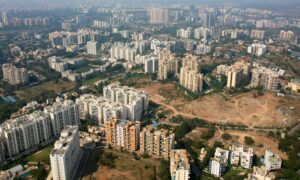
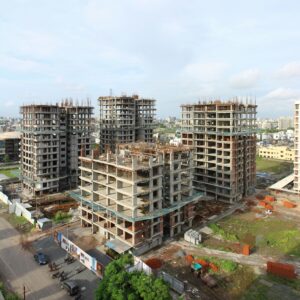
India’s property market has matured rapidly over the last decade, with strong demand across housing, offices, and retail. If you’re researching the leading real estate companies in India, this guide distills how to evaluate top developers, profiles prominent players, and highlights market trends shaping 2026.
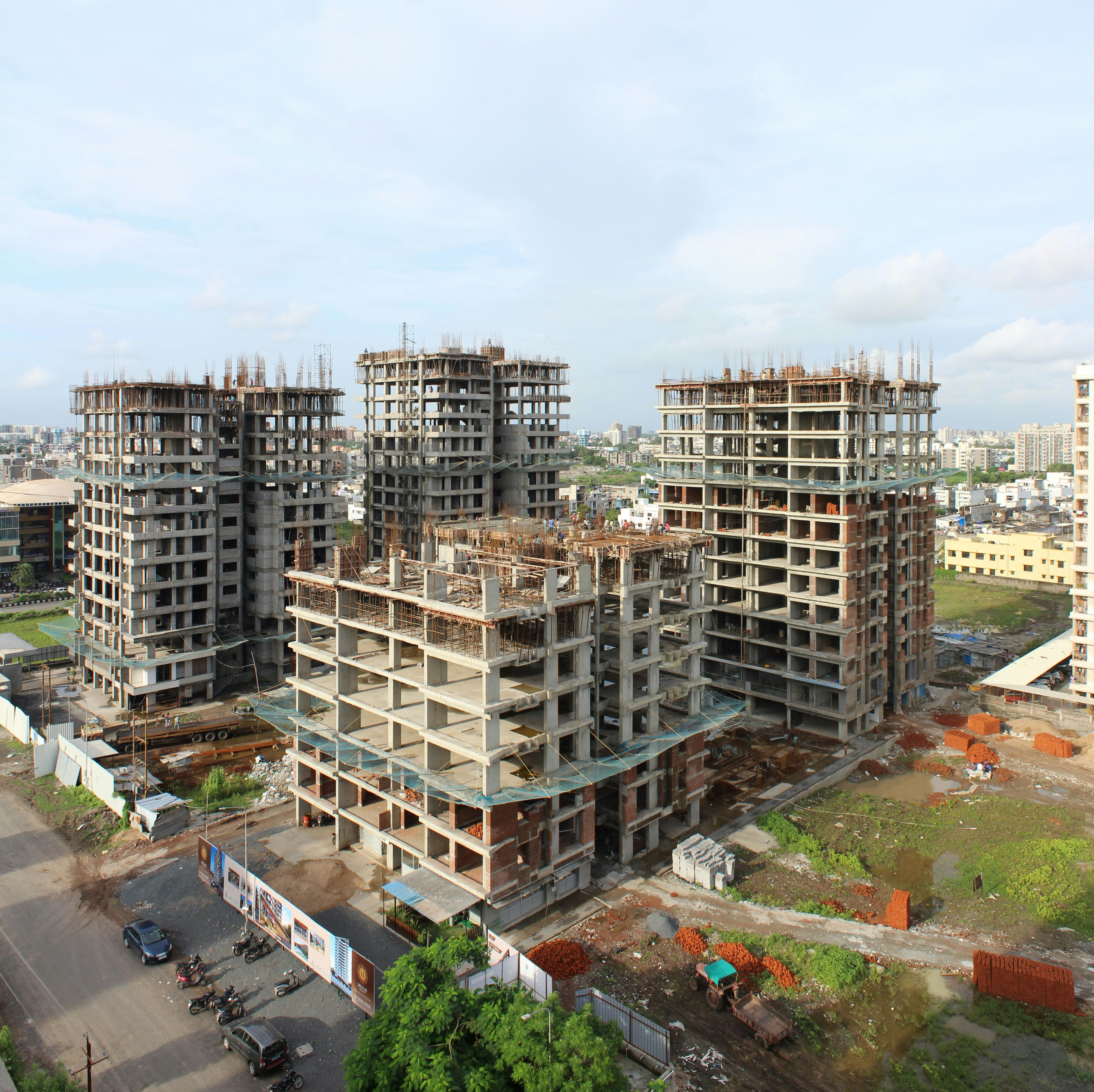
How we identified the leading players
The Indian real estate landscape includes listed developers, private groups, and government-backed enterprises. To surface credible, large-scale players—often described as the top real estate companies in India—we looked at the following:
- Delivery track record and scale: Years of operations, number of completed projects, and ability to execute multi-phased townships or Grade-A commercial assets.
- Financial strength: Sensible leverage, consistent collections, and resilient cash flows that support construction continuity.
- Brand and customer trust: Reputation for quality, after-sales support, and transparent communication.
- Diversification: Balanced mix across residential, office, retail, and hospitality; presence in multiple cities.
- Corporate governance: Listed company disclosures, board oversight, and adherence to regulations.
- Sustainability and design: Green certifications, efficient master planning, and community amenities that age well.
These criteria help distinguish the best real estate developers in India from smaller or less consistent builders.
Leading real estate companies in India: company snapshots
Below are profiles of well-established developers with significant footprints and recognizable projects. Always perform your own due diligence on current project approvals and delivery timelines.
DLF Ltd
Headquartered in Gurugram, DLF is widely known for large integrated developments that shaped the NCR skyline, including premium housing, offices, and retail destinations. Its portfolio spans residential, commercial, and retail, with a long operating history and recurring rental income from Grade-A assets.
Macrotech Developers (Lodha)
Mumbai-based Lodha (listed as Macrotech Developers) is known for large-scale townships and premium high-rises, with projects across the MMR, Pune, and other growth corridors. The group combines township-scale planning with branded residences in core city locations.
Godrej Properties
Part of the Godrej Group, the developer follows partnership-led expansion across major cities such as Mumbai, Pune, Bengaluru, NCR, and Kolkata. It emphasizes sustainability, design, and customer-centric development in mid-income to premium segments.
Prestige Estates Projects
Founded in Bengaluru, Prestige has expanded beyond the South into multiple metros with a diversified portfolio spanning residential, office parks, retail, and hospitality. Known for landmark tech parks and mixed-use precincts.
Oberoi Realty
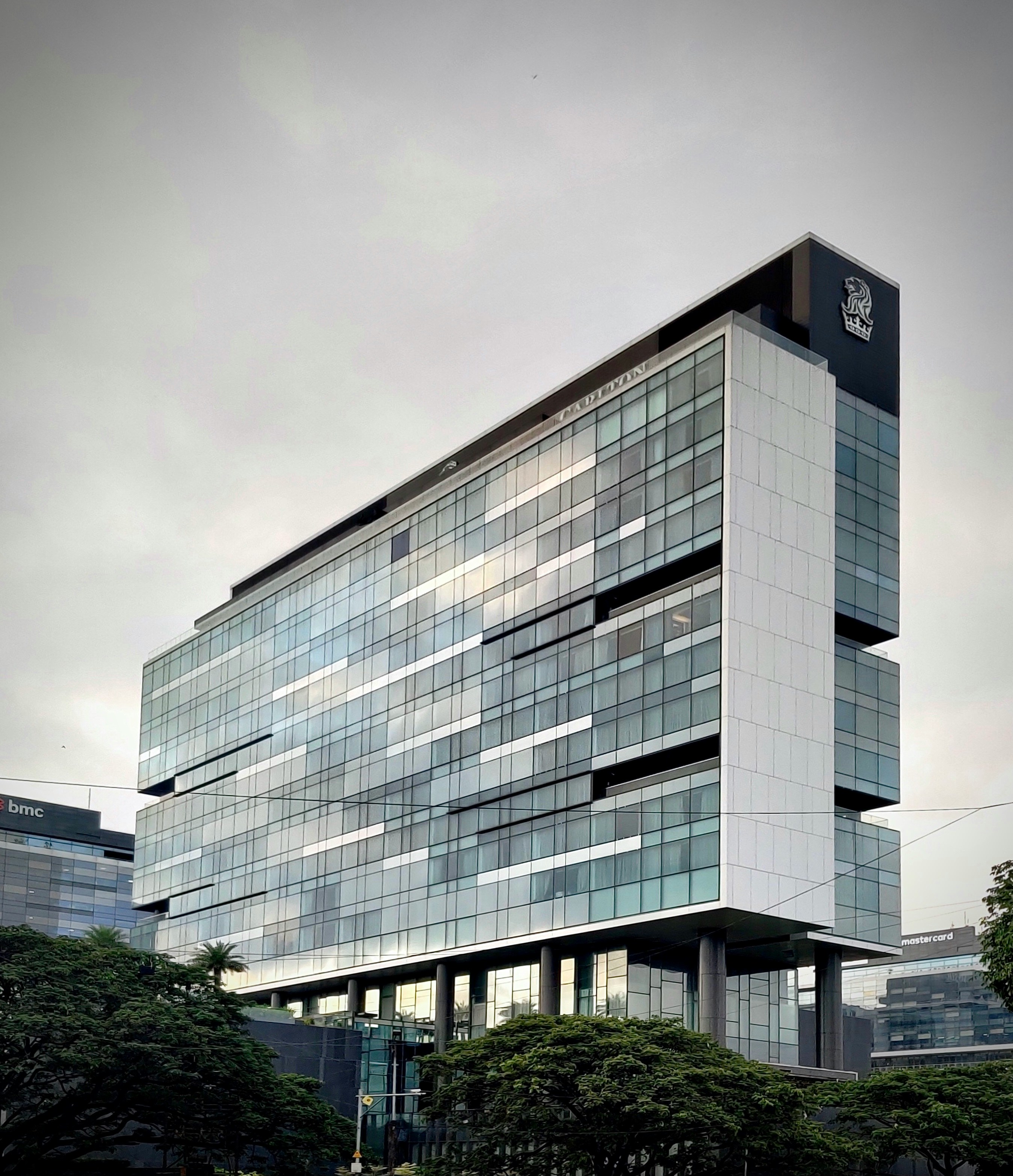
A premium, Mumbai-focused developer with high-quality residential towers, retail assets, and hospitality. The brand is associated with meticulous planning, strong execution, and curated amenities.
Sobha Ltd
Bengaluru-headquartered Sobha is known for backward integration and exacting construction standards across housing communities and commercial developments in Southern and select other Indian cities.
Brigade Enterprises
Brigade has a diversified presence across residential, offices, retail, and hospitality, with a strong base in South India and growing footprints elsewhere. Its portfolio includes large mixed-use campuses.
The Phoenix Mills Ltd
A leading retail-led developer and asset owner, Phoenix Mills operates marquee destination malls and mixed-use assets across major metros, with a strategy centered on high-quality retail and allied uses.
NBCC (India) Ltd
A Government of India enterprise (PSU) specializing in project management consultancy and redevelopment, NBCC has executed numerous public sector and large redevelopment projects across the country.
Hiranandani Group
Renowned for integrated townships and premium communities in the Mumbai Metropolitan Region and beyond, Hiranandani emphasizes master planning, livability, and long-term community value.
Market context: demand drivers and 2026 outlook
Urbanization and income growth continue to underpin demand for quality housing and Grade-A commercial assets. The World Bank notes that India’s rapid urbanization and rising middle class are reshaping cities and infrastructure needs, supporting formal real estate expansion. See the World Bank’s India overview for macro context: World Bank – India Overview.
Government programs for urban development, infrastructure, and housing assistance also play a role in supporting supply and improving livability. For initiatives and policy updates, refer to the Ministry of Housing and Urban Affairs: MoHUA.
Taken together, these drivers help the largest real estate companies in India sustain pipeline growth, while disciplined balance sheets and customer-centric design will differentiate winners in 2026.
How to choose the right developer
- Check approvals and registrations: Verify sanctioned plans, environmental clearances, and state RERA registration for the specific project.
- Study the track record: Compare promised delivery timelines with actual handovers across previous phases or nearby projects.
- Assess financial prudence: Prefer developers with lower leverage, steady collections, and visible construction progress (funds used for on-site work).
- Evaluate specifications and warranty: Understand structural warranty, MEP specs, and maintenance provisions for common areas.
- Inspect the site: Tour sample apartments or delivered projects to gauge build quality, finishes, and community planning.
- Prioritize transparency: Choose builders who share regular construction updates, demand letters, and escrow practices in line with regulations.
Conclusion
The leading real estate companies in India share consistent delivery, financial discipline, and customer-first design. Use the criteria above to shortlist credible developers, review their disclosures, and visit comparable delivered communities before you buy. With urbanization and infrastructure investment supporting demand, well-governed, brand-strong players are best placed to create long-term value for homebuyers and investors in 2026.
FAQs
How can I verify a developer’s credibility before booking?
Start with state RERA registration for the specific project, review the builder’s delivery record on prior phases, and inspect construction progress on-site. Speak with residents in completed projects to validate after-sales service.
Which metrics indicate a large developer’s financial strength?
Look for healthy pre-sales, strong collection efficiency, moderate net debt relative to equity, and steady construction spend. Consistent handovers and minimal delays are positive signs.
Are integrated townships safer bets than standalone towers?
Townships can offer stronger infrastructure, phased delivery, and amenities at scale, but they require large capital outlays and careful phasing. Evaluate the developer’s execution history on similar townships.
What should I check in an agreement for an under-construction home?
Confirm sanctioned plans, possession timelines with grace periods, payment schedules tied to construction milestones, specification annexures, and penalties for delays as per applicable laws.
Can I get exposure to Indian real estate without buying a home?
Yes. Investors can consider listed REITs for income-generating commercial assets or equities of listed developers, keeping in mind market risks and their own investment horizon.