If you’re tracking property rates in Bhopal to buy, sell, or invest, understanding current per-square-foot ranges, locality-wise demand, and the policy backdrop can help you price right. Below is a data-led overview of bhopal property prices, factors shaping the market, and practical steps to estimate a fair deal in 2025–2026.
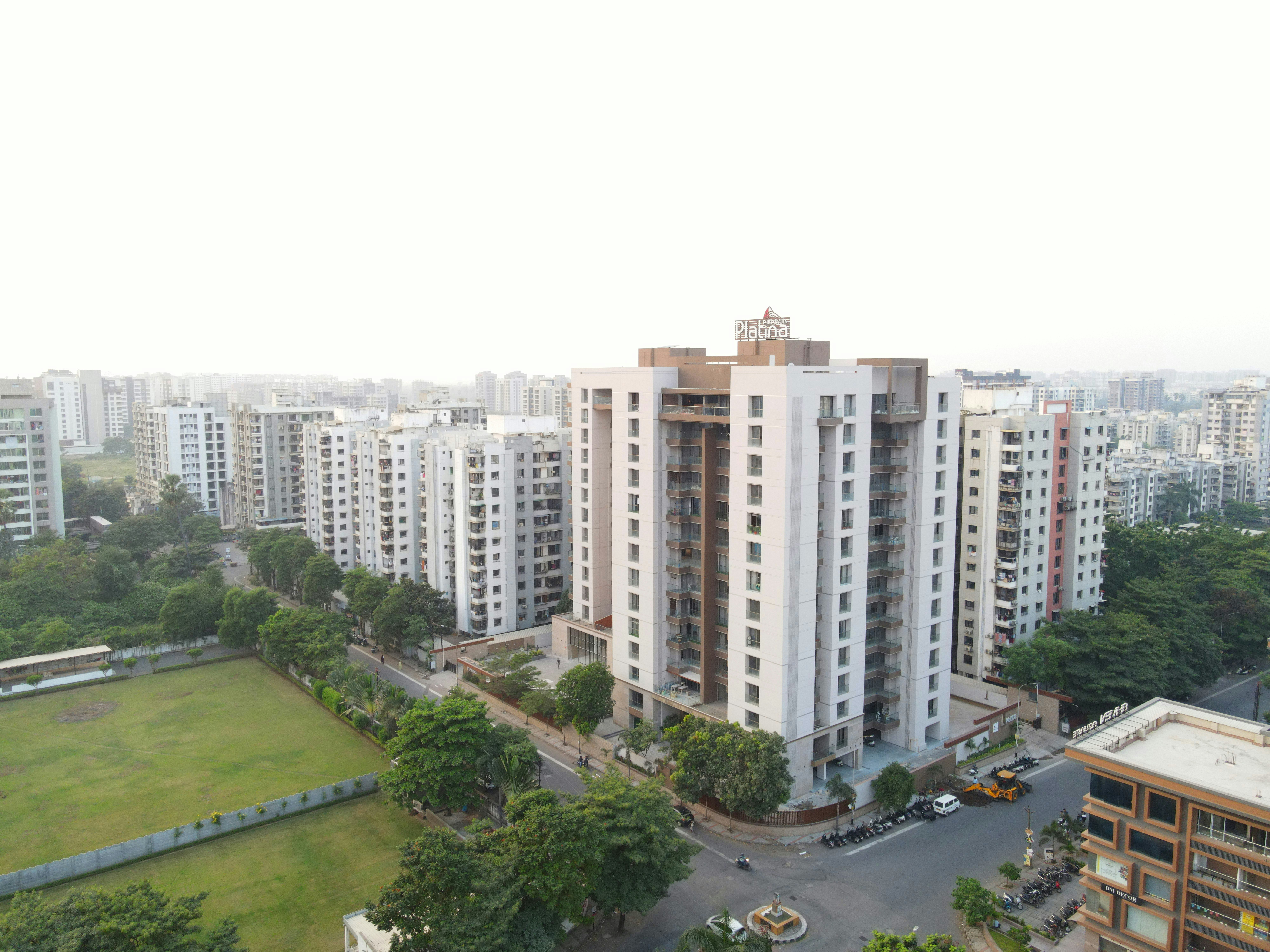
Property rates in Bhopal: 2025–2026 snapshot
Market-listed asking prices suggest that established, centrally connected neighborhoods command a premium, while emerging corridors offer value buys. Aggregated listing trends on reputable portals (e.g., Magicbricks, Housing.com) indicate the following broad per-square-foot (PSF) bands in 2025–2026. Actual transacted prices vary by project, age, floor, and amenities.
- Prime and well-established areas (Arera Colony, Hoshangabad Road/Hoshangabad Rd belt, MP Nagar, Bawadia Kalan): approximately ₹4,000–₹7,000 per sq ft for apartments; premium, new high-amenity projects can quote higher.
- Mid-market growth corridors (Kolar Road, Ayodhya Bypass Road, Airport Road/Gandhi Nagar, Hathaikheda): roughly ₹3,000–₹4,500 per sq ft for apartments; plotted land varies widely by width, access road, and approvals.
- Budget-friendly/peripheral pockets (Karond, Lalghati belt, Berasia Road stretches): about ₹2,000–₹3,000 per sq ft for apartments or modest builder floors; older inventory may be lower.
To benchmark price movements over time, cross-check against government-backed indices. The National Housing Bank’s NHB RESIDEX publishes a city-level price index for Bhopal that helps track directional trends, while the Reserve Bank of India’s monetary policy context (RBI) influences home loan rates and affordability.
Property price per square feet in Bhopal by asset type
- Apartments: The most transparent segment for PSF comparisons. Newer gated communities with lifts, parking, and amenities command a 10–25% premium over non-amenitized or older stock in the same micro-market.
- Independent houses/villas: Quoted on total built-up and plot size; effective PSF often appears higher because of land value. Corner plots, wider roads, and proximity to commercial hubs elevate rates.
- Plotted land: Primarily driven by location, access road width, and approvals (e.g., RERA-registered layouts). PSF is less standardized; always verify development status, utilities, and title before comparing.
What drives Bhopal real estate rates?
Several fundamentals shape bhopal real estate rates across micro-markets:
- Connectivity upgrades: The under-construction Bhopal (Bhoj) Metro by Madhya Pradesh Metro Rail Corporation (MPMRCL) is expected to improve east–west and north–south access over phases, typically buoying prices near stations as connectivity and footfalls rise.
- Employment and services: Government institutions, education and healthcare hubs, and industrial clusters support steady end-user demand, reducing volatility versus purely investor-led markets.
- Mortgage affordability: RBI’s policy stance affects home loan EMIs. Stable rates tend to support absorption; easing could release pent-up demand, while tightening can prolong decision cycles.
- Supply pipeline and amenities: New launches with clubhouses, green spaces, EV charging, and security draw premiums relative to non-amenitized stock in the same locality.
- Regulatory clarity: RERA registration and transparent approvals reduce buyer risk and sustain confidence. Check project status on MP RERA.
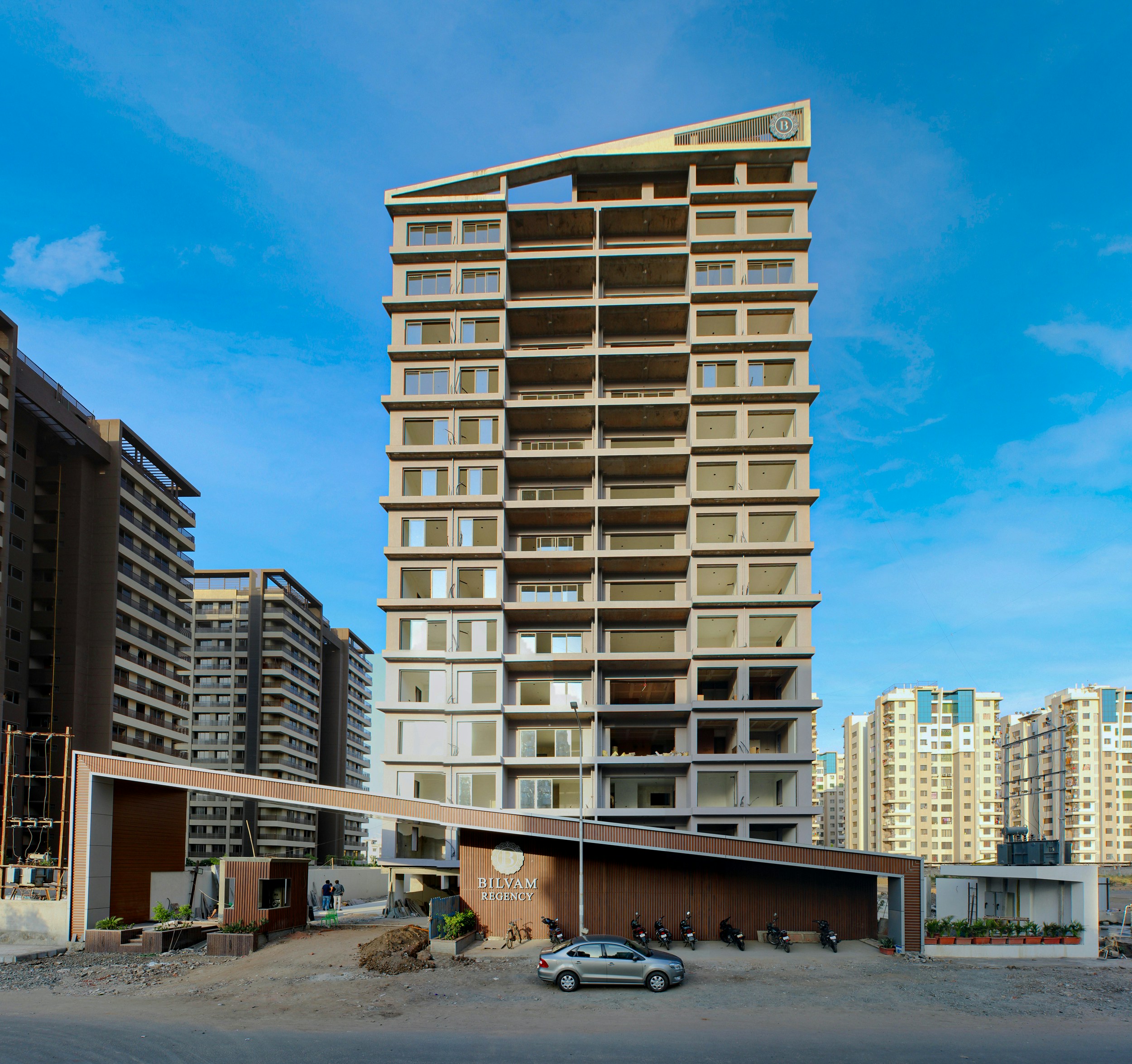
Locality highlights and budgets
Prime/central micro-markets
- Arera Colony and MP Nagar: Low commute times, retail and offices, and strong civic infrastructure keep demand resilient. Expect higher PSF quotes, especially for newer or park-facing inventory.
- Hoshangabad Road–Bawadia Kalan belt: Popular among end-users for gated communities with amenities and proximity to schools and hospitals.
Value and growth corridors
- Kolar Road: Diverse inventory from budget to mid-segment; improving social infrastructure and connectivity.
- Ayodhya Bypass: Competitive pricing with improving access; look for projects with sound approvals and on-time delivery track records.
- Airport Road/Gandhi Nagar: Benefiting from access to the airport and residential catchments; check for noise buffers and master-plan provisions.
How to estimate a fair price (step-by-step)
- Shortlist micro-markets: Compare commute routes, schools, hospitals, water reliability, and green cover. Price follows convenience.
- Triangulate PSF: Note 8–10 comparable active listings in the same project or 500–800m radius on at least two portals (e.g., Magicbricks, Housing). Use the median, not the highest quote.
- Check project compliance: Confirm RERA registration and approvals on MP RERA; for resale, verify occupancy certificate and society NOC where applicable.
- Account for condition and floor: Deduct for aging interiors, lower floors without lifts, or unfavorable orientation; add for covered parking, upgrades, or park/corner advantages.
- Validate with indices: Review city trend direction via NHB RESIDEX; keep an eye on RBI policy for EMI sensitivity.
Outlook for 2026
Baseline expectations point to steady end-user demand in Bhopal, led by affordability, improving connectivity, and a comparatively stable price base. If mortgage rates ease or the metro achieves key operational milestones, absorption could firm up, especially in mid-market gated projects along major corridors. Conversely, unexpected interest-rate tightening or oversupply in select pockets could cap near-term PSF growth. As always, micro-market selection matters more than city averages.
Conclusion: pricing smart in Bhopal
For buyers and sellers, the most reliable way to engage with property rates in Bhopal is to triangulate live listings, approval status, and neighborhood advantages. Use PSF bands as a starting point, adjust for property-specific attributes, and rely on transparent, RERA-registered projects. With a disciplined approach, bhopal real estate rates can be navigated confidently and efficiently.
FAQs
1) What is the average property price per square feet in Bhopal in 2025–2026?
Across mainstream apartment projects, broad asking-price bands cluster between roughly ₹3,000 and ₹5,000 per sq ft, with prime pockets seeing ₹6,000+ for new, amenitized inventory. Actual transacted prices depend on project, floor, age, and negotiation.
2) Which areas are most affordable for first-time buyers?
Peripheral or emerging pockets such as parts of Karond, Lalghati belt, and stretches along Ayodhya Bypass and outer Kolar Road typically offer budget-friendly entry points. Prioritize livability (water, transport, schools) and approvals before finalizing.
3) How will the Bhopal Metro affect prices?
Transit projects tend to lift values in walkable radii of stations as commute times fall and retail improves. As phases of the Bhopal (Bhoj) Metro progress under MPMRCL, micro-markets near operational stations may see firmer demand and a PSF premium versus non-metro-adjacent areas.
4) Are property rates in Bhopal likely to rise in 2026?
Base case is steady to moderate growth, supported by affordability and infrastructure upgrades. Upside depends on mortgage-rate trends (see RBI policy), supply discipline, and timely metro progress. Track local absorption and inventory levels to refine expectations.
5) How can I verify that a project is legally compliant?
Start by checking the project’s registration, approvals, and disclosures on MP RERA. For resale, examine title documents, an encumbrance certificate, building/occupancy certificates, and society NOCs. Consider a legal review before token payments.