In a landmark move for India’s real estate sector, the Development Bank of Japan Inc. (DBJ) has made a significant commitment to the country’s residential property market. The esteemed Japanese institution has invested in a fund managed by HDFC Capital, India’s leading real estate fund manager. This strategic partnership is poised to channel substantial capital into developing affordable and mid-income housing, addressing a critical national need while underscoring a shared commitment to sustainable growth.
This investment not only marks the entry of a major Japanese institutional player into India’s housing ecosystem but also signals a deepening of Indo-Japanese economic ties. It represents a strong vote of confidence in the long-term potential of the Indian real estate market, particularly in the affordable housing segment, which is backed by strong demographic trends and government support.
Details of the Strategic Partnership
The Development Bank of Japan, a government-owned financial institution, has committed capital to the HDFC Capital Affordable Real Estate Fund 3 (H-CARE 3). HDFC Capital, a subsidiary of India’s largest private sector bank HDFC Bank, is a premier investment manager focused on providing long-term debt and equity financing for real estate projects across the country.
The core objective of this collaboration is to advance the development of affordable and mid-income housing projects throughout India. By injecting capital into the H-CARE 3 fund, DBJ is directly contributing to a platform that has aggregated over $4.25 billion, making it one of the world’s largest residential real estate investment platforms. This platform aims to finance the development of one million affordable homes in India, aligning perfectly with national housing goals.
- Investor: Development Bank of Japan Inc. (DBJ)
- Fund Manager: HDFC Capital Advisors
- Target Fund: HDFC Capital Affordable Real Estate Fund 3 (H-CARE 3)
- Primary Focus: Development of affordable and mid-income residential projects in India.
Why This Investment Matters for India
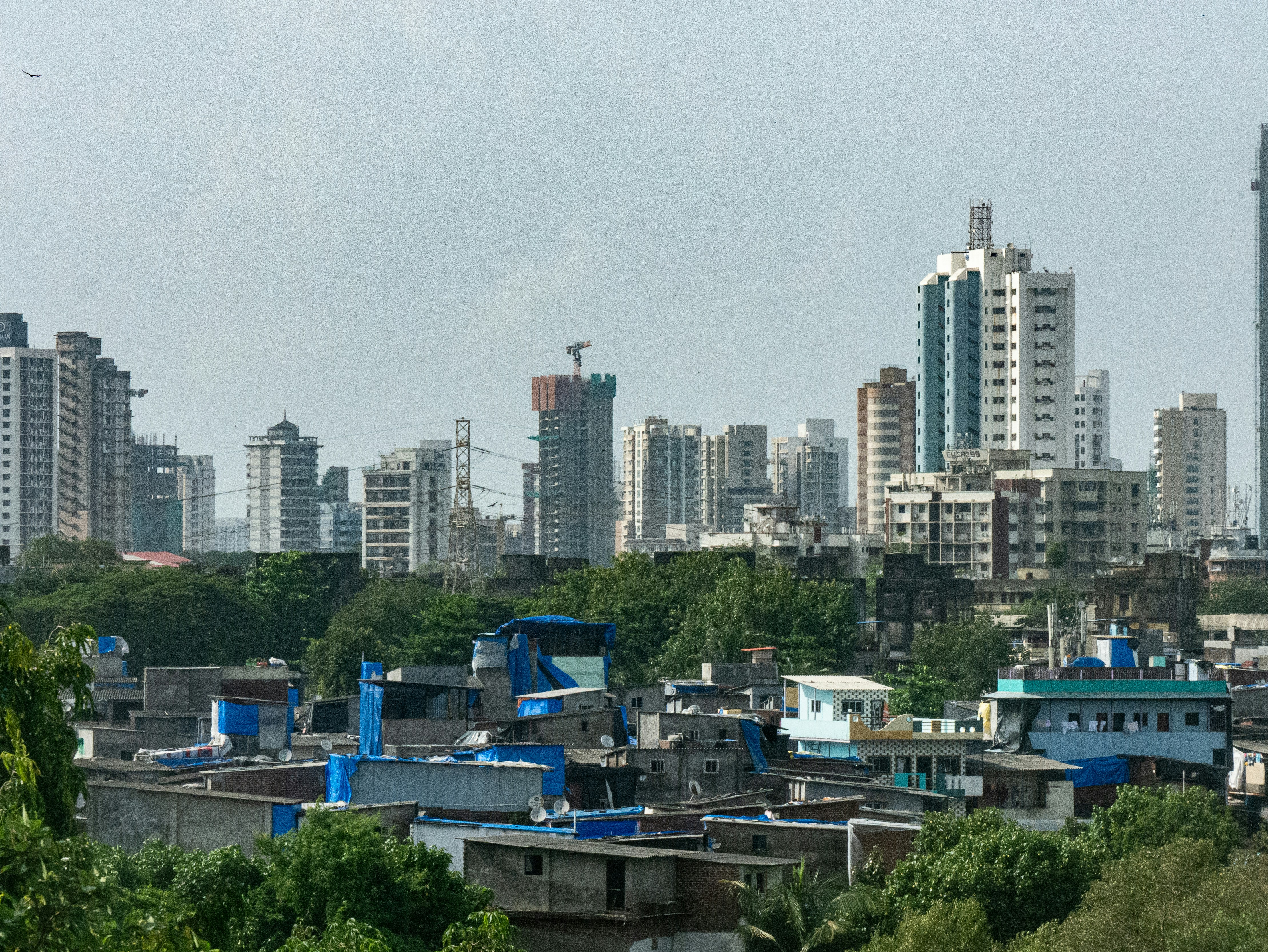
India is currently grappling with a significant urban housing shortage, a challenge the government has been actively addressing through initiatives like the Pradhan Mantri Awas Yojana (PMAY) scheme. Foreign investment, such as the one from DBJ, provides a much-needed impetus to private sector efforts to bridge this gap.
This partnership goes beyond just financial capital; it emphasizes a commitment to Environmental, Social, and Governance (ESG) principles. The funds will be directed towards projects that prioritize sustainability, green building technologies, and social infrastructure. This focus ensures that the new housing developments are not only affordable but also environmentally responsible and conducive to community well-being.
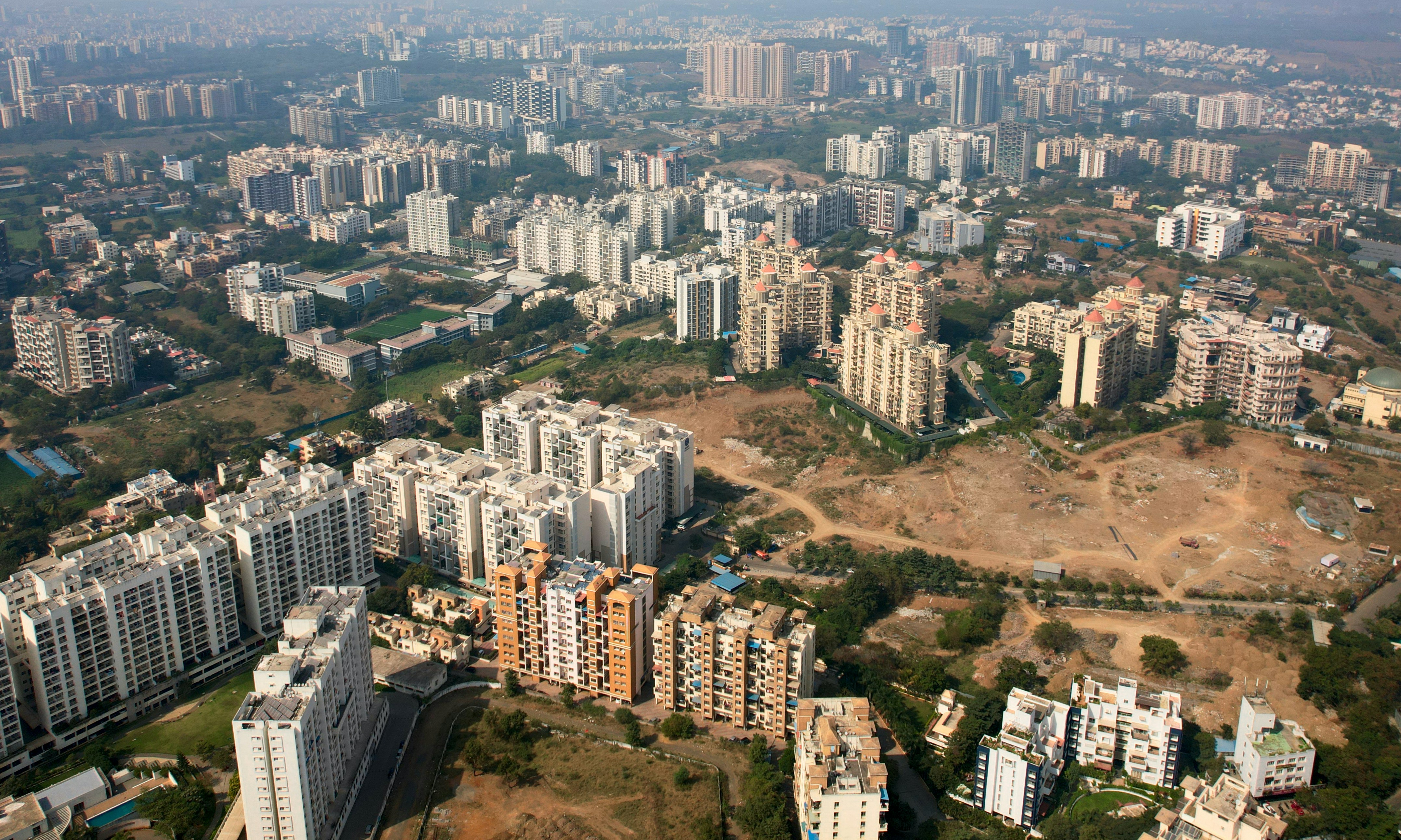
By backing a seasoned player like HDFC Capital, DBJ is ensuring that the investment is channeled effectively to credible developers who adhere to high standards of quality and execution. This helps de-risk projects and accelerates the pace of construction, bringing more homes to market faster.
DBJ’s Strategic Vision: Diversification and Growth
For the Development Bank of Japan, this investment is a strategic move to diversify its global real estate portfolio. India’s rapidly growing economy, favorable demographics, and increasing urbanization present a compelling investment thesis. The residential sector, in particular, offers robust long-term growth prospects driven by a burgeoning middle class and rising disposable incomes.
This venture allows DBJ to gain exposure to a high-growth emerging market while contributing positively to its development goals. The bank’s decision reflects a broader trend of Japanese investors looking towards India for strategic growth opportunities, moving beyond traditional sectors like manufacturing and infrastructure into new-age areas like real estate and technology.
Broader Implications for Indo-Japanese Economic Relations
The Japan-India Special Strategic and Global Partnership has been gaining momentum, with collaborations spanning multiple sectors. This investment in real estate further solidifies the economic relationship between the two nations. It showcases a new avenue for Japanese capital to participate in India’s growth story.
As India continues its journey to become a $5 trillion economy, the need for high-quality infrastructure, including housing, is paramount. Investments like DBJ’s are critical enablers of this vision. They not only bring in capital but also global best practices in project management, sustainability, and corporate governance. This flow of institutional capital is likely to encourage other global investors to look at the Indian affordable housing segment with renewed interest, potentially unlocking even more funding for this vital sector.
In conclusion, the partnership between the Development Bank of Japan and HDFC Capital is a powerful endorsement of the Indian real estate sector’s potential. It is a strategic, commercially sound, and socially impactful investment that promises to create lasting value for investors, the real estate industry, and millions of Indian homebuyers.
Frequently Asked Questions (FAQs)
1. What is the main goal of the Development Bank of Japan’s investment in Indian real estate?
The primary goal is to invest in the development of affordable and mid-income housing in India. This move helps DBJ diversify its overseas portfolio while contributing to a high-growth market with significant social impact, focusing on projects with strong ESG (Environmental, Social, and Governance) standards.
2. Which specific fund did the Development Bank of Japan invest in?
The Development Bank of Japan has invested in the HDFC Capital Affordable Real Estate Fund 3 (H-CARE 3), which is managed by HDFC Capital, a leading real estate fund manager in India.
3. How does this investment support sustainable development in India?
The investment prioritizes projects that adhere to green building norms and sustainable practices. HDFC Capital’s platform focuses on minimizing the environmental footprint of construction and creating sustainable communities, aligning with both India’s and DBJ’s commitment to ESG principles.
4. What is HDFC Capital’s overall mission in the Indian housing market?
HDFC Capital’s mission is to be a leading provider of housing finance in India. Its investment platform, one of the world’s largest for residential real estate, aims to finance the development of one million affordable homes, thereby playing a crucial role in addressing the nation’s housing shortage.
5. Why is the Indian real estate market attractive to foreign investors like DBJ?
The Indian real estate market is attractive due to its strong underlying fundamentals, including a young, upwardly mobile population, rapid urbanization, and a growing economy. Government support for the housing sector and the potential for long-term returns make it a compelling destination for strategic foreign investment.