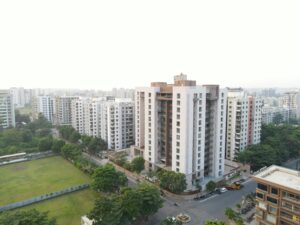
The Indian real estate sector has received a significant vote of confidence from a major global player. In a landmark move, the state-owned Development Bank of Japan Inc. (DBJ) has made its first foray into India’s residential property market. The bank has committed capital to an HDFC Capital Advisors-managed fund, specifically targeting the development of affordable and mid-income housing. This strategic investment not only marks the entry of new Japanese institutional capital into the country but also promises to accelerate sustainable development and address India’s pressing housing needs.
The Details of a Landmark Partnership
The investment from the Development Bank of Japan has been directed into the HDFC Capital Affordable Real Estate Fund 3 (H-CARE 3). This fund is a key initiative by HDFC Capital Advisors, a subsidiary of HDFC Bank and a leading real estate fund manager in India. H-CARE 3 is dedicated to financing the development of affordable and mid-income housing projects across the country, aligning perfectly with the government’s “Housing for All” mission.
According to reports, this commitment is part of a larger trend of global institutional investors, including pension funds and sovereign wealth funds, recognizing the vast potential of the Indian real estate market. The involvement of a government-backed entity like DBJ underscores the stability and long-term growth prospects of the sector. The partnership aims to combine DBJ’s expertise in infrastructure and sustainable financing with HDFC Capital’s deep understanding of the local housing market.
Addressing India’s Urban Housing Shortage
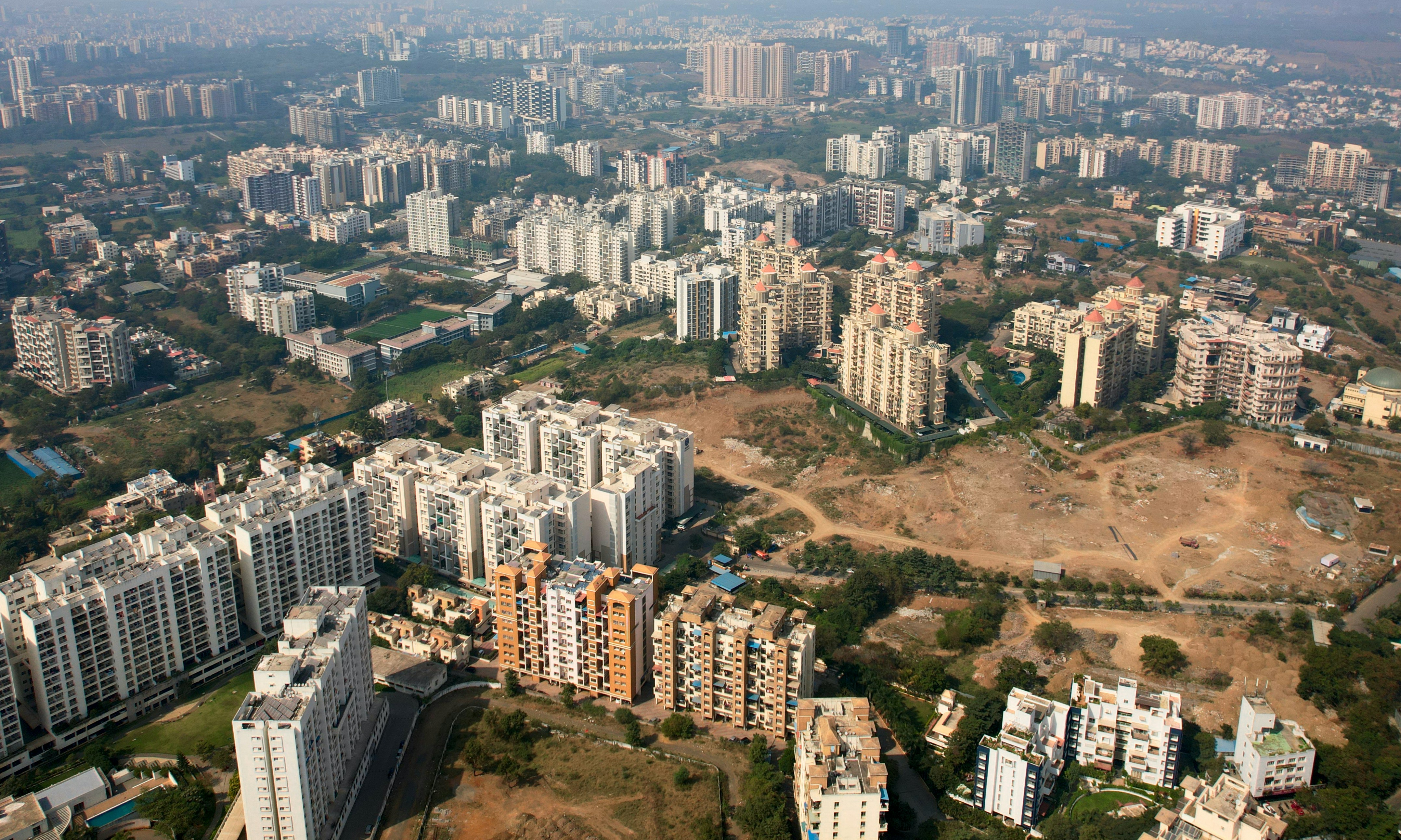
This infusion of capital comes at a critical time for India. The country faces a significant urban housing shortage, driven by rapid urbanization and population growth. According to a 2018 report referenced by the Ministry of Housing and Urban Affairs, the gap was estimated to be around 29 million units. While progress has been made, the demand for quality, affordable homes continues to outstrip supply, particularly in major urban centers.
The HDFC Capital-DBJ partnership directly tackles this challenge by:
- Increasing Capital Supply: Providing much-needed equity and mezzanine capital to developers focused on affordable housing projects.
- Enhancing Project Viability: Enabling developers to undertake larger projects and deliver them at more accessible price points for homebuyers.
- Promoting Quality Construction: Focusing on well-planned projects that offer not just shelter but also a good quality of life with necessary social infrastructure.
This investment will empower developers to build a robust pipeline of residential projects, making homeownership a reality for millions of families in the low and middle-income segments.
A Commitment to Sustainable and Green Development
The collaboration goes beyond just building houses; it emphasizes building them sustainably. Both DBJ and HDFC Capital are committed to promoting Environmental, Social, and Governance (ESG) principles. DBJ has a long-standing practice of incorporating environmental and social considerations into its financing decisions, a policy detailed on its official sustainability initiatives page.
HDFC Capital, for its part, has been a pioneer in pushing for green building technologies and sustainable practices within its portfolio. The H-CARE platform encourages developers to adopt construction methods that reduce carbon footprint, conserve water, and improve energy efficiency. This new funding will likely be channelled towards projects that feature:
- Use of eco-friendly building materials.
- Integration of renewable energy sources like solar panels.
- Efficient waste management and water recycling systems.
- Development of green spaces and community-friendly layouts.
The Bigger Picture: A Win-Win for India and Japan
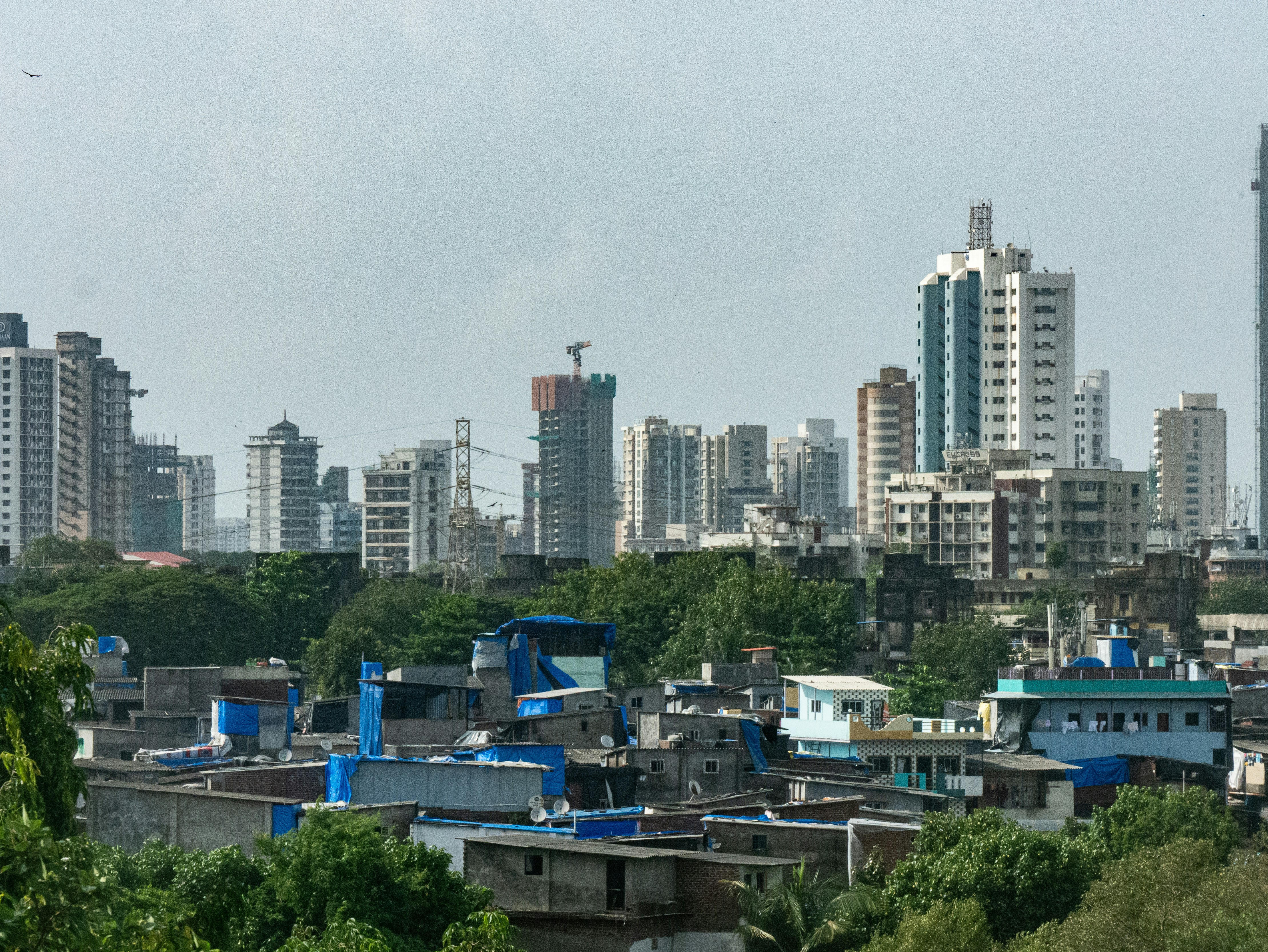
For the Development Bank of Japan, this investment serves a key strategic purpose: geographic diversification. While DBJ has a robust real estate portfolio in North America, entering the Indian market provides access to a high-growth economy and diversifies its risk. It signals a long-term belief in India’s economic trajectory and the potential for attractive returns in its real estate sector.
For India, the benefits are multi-fold. The investment is a strong endorsement of its policy reforms and improving ease of doing business. It attracts high-quality, long-term foreign capital, which is crucial for infrastructure and large-scale development. As Vipul Roongta, MD & CEO of HDFC Capital, noted in a statement reported by The Economic Times, this partnership is a testament to the confidence of global investors in the Indian housing market.
This collaboration strengthens the economic ties between India and Japan, two of Asia’s largest economies. It sets a precedent for other Japanese and international funds to explore opportunities in India, not just in real estate but across various sectors. Ultimately, this partnership is a powerful example of how global capital can be channelled to create social impact, fuel economic growth, and build a sustainable future.
Frequently Asked Questions (FAQ)
1. What specific fund did the Development Bank of Japan invest in?
The Development Bank of Japan (DBJ) invested in the HDFC Capital Affordable Real Estate Fund 3 (H-CARE 3). This fund is managed by HDFC Capital Advisors and is focused on providing financing for the development of affordable and mid-income housing projects across India.
2. How large is India’s current housing shortage?
While figures vary, the Indian Ministry of Housing and Urban Affairs has previously estimated a significant housing shortage, with projections pointing to a gap affecting millions of urban households. This investment aims to directly address this demand by funding the construction of new, affordable homes.
3. Why is this Japanese investment in Indian real estate significant?
This investment is significant because it marks the first entry of the Development Bank of Japan, a state-owned institution, into India’s residential market. It signals strong confidence from a major global investor in the sector’s long-term growth and stability, potentially encouraging other international funds to follow suit.
4. What kind of projects will this investment support?
The investment will primarily support the development of residential projects for low and middle-income groups. There is a strong emphasis on sustainability, meaning funds will be channelled towards projects that incorporate green building practices, energy-efficient technologies, and sustainable materials.
5. Who is HDFC Capital Advisors?
HDFC Capital Advisors Limited is a real estate private equity firm and a subsidiary of HDFC Bank, one of India’s largest financial institutions. It is one of the country’s largest alternative investment fund managers, focused on providing long-term debt and equity financing for affordable and mid-income housing development.