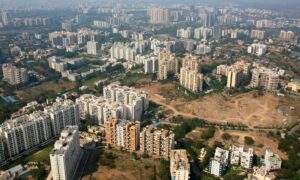
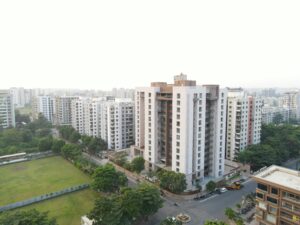
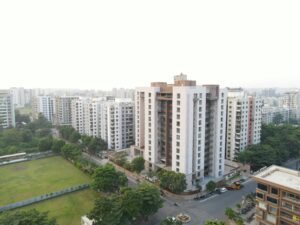
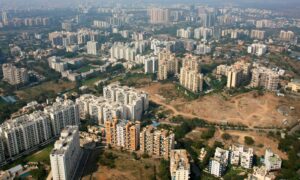
India’s urban landscape is on the brink of a monumental transformation. A recent report by KPMG highlights that the nation’s housing and urban development sector is entering a period of significant structural change. Driven by unprecedented urbanization, massive infrastructure development, and proactive policy reforms, the way Indians live, work, and build is set to evolve dramatically. This shift brings both immense opportunities and pressing challenges that need to be addressed to ensure sustainable and inclusive growth for decades to come.
The report underscores a fundamental reality: as millions of people continue to migrate to cities in search of opportunities, the demand for housing will skyrocket. This isn’t just about building more houses; it’s about building the *right* kind of houses in well-planned, sustainable urban centres.
The Driving Force: Unprecedented Urbanisation
India is experiencing one of the fastest rates of urbanisation in the world. According to projections, India’s urban population is expected to grow from 410 million in 2014 to over 800 million by 2050, adding a staggering 400 million new city dwellers. This urban boom is the primary catalyst for the structural shift in the housing sector. The KPMG report emphasizes that meeting the needs of this growing population requires a forward-thinking approach that prioritizes affordability, sustainability, and efficient infrastructure.
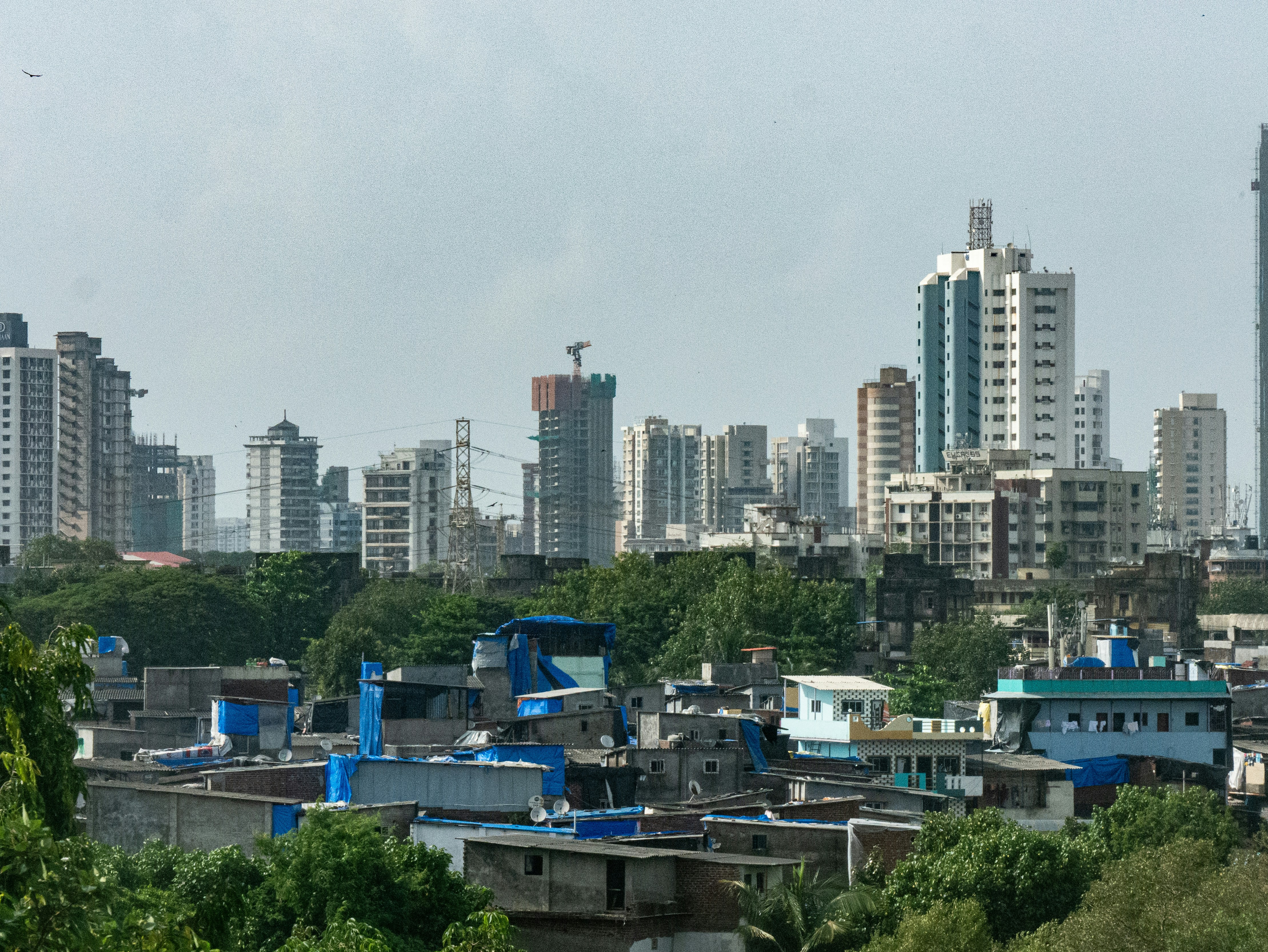
This rapid expansion puts immense pressure on existing urban infrastructure and creates an urgent need for new housing stock. The government and private sector must collaborate to develop integrated townships and smart cities that can accommodate this growth without compromising living standards or environmental quality.
Key Areas of Transformation Highlighted by KPMG
The KPMG report pinpoints several critical areas that are central to this transformation. These pillars will define the future of India’s real estate market and urban planning:
- Affordable Housing: There is a significant shortfall in affordable housing across Indian cities. The report calls for a concerted effort to bridge this gap through innovative construction technologies, better financing models, and supportive government policies to make housing accessible to all income groups.
- Rental Housing: As the population becomes more mobile, the demand for rental housing is growing. The report advocates for formalizing the rental market, a goal supported by initiatives like the Model Tenancy Act, to create a stable and transparent ecosystem for both tenants and landlords.
- Streamlined Approvals: One of the biggest hurdles for developers is the complex and time-consuming process of obtaining approvals. KPMG suggests creating a single-window clearance system and leveraging technology to make the process faster and more transparent, thereby reducing project delays and costs.
- Regulatory Coordination: Effective coordination between central, state, and local government bodies is crucial. Aligning policies and regulations across different agencies can prevent conflicts and create a more predictable and investor-friendly environment for real estate development.
The Role of Policy and Government Initiatives
The Indian government has already laid some of the groundwork for this transformation. Flagship programs like the Pradhan Mantri Awas Yojana (PMAY-Urban) aim to provide housing for all in urban areas, directly addressing the affordable housing crisis. To date, PMAY(U) has made significant strides, sanctioning millions of houses across the country.
Furthermore, the implementation of the Real Estate (Regulation and Development) Act, 2016 (RERA) has been a game-changer, infusing much-needed transparency, accountability, and professionalism into the sector. By protecting the interests of homebuyers and regulating developers, RERA is building a foundation of trust that is essential for long-term, sustainable growth.
The Road to 2050: Challenges and a Sustainable Future
The path to 2050 is not without its challenges. Land acquisition, infrastructure financing, and the adoption of sustainable practices remain significant hurdles. However, the opportunities are equally vast. The push for green buildings, the integration of smart technology (PropTech), and the development of public-private partnerships can unlock immense value and create world-class urban environments.
Ultimately, the structural shift in India’s urban housing sector is an opportunity to build a more equitable, prosperous, and sustainable future. As the KPMG report concludes, strategic planning, strong political will, and active participation from the private sector are the keys to navigating this transformation and building the cities of tomorrow, today.
Frequently Asked Questions (FAQs)
1. What is the projected urban population of India by 2050?
According to various reports, including those from the United Nations and government bodies, India is projected to have more than 800 million people living in its urban centers by 2050. This rapid increase from the current levels is a major driver of the demand for housing and infrastructure.
2. How does the RERA Act impact homebuyers in this new urban landscape?
The Real Estate (Regulation and Development) Act (RERA) empowers homebuyers by ensuring transparency and accountability from developers. It mandates timely project completion, requires developers to deposit a majority of funds in an escrow account, and establishes a fast-track mechanism for resolving disputes, making real estate investments safer for consumers.
3. What specific challenges does the affordable housing segment face in India?
The affordable housing segment faces several hurdles, including high land costs in urban areas, thin profit margins for developers, and a lack of access to formal credit for low-income buyers. Overcoming these challenges requires a mix of subsidies, policy incentives like lower GST, and the adoption of cost-effective construction technologies.
4. What role is technology (PropTech) playing in India’s housing sector?
Technology, or PropTech, is revolutionizing India’s housing sector by improving efficiency in construction, sales, and property management. It includes everything from virtual property tours and online documentation to AI-powered market analysis and smart home management systems, making the entire property lifecycle more streamlined for all stakeholders.
5. What defines ‘sustainable urban expansion’ in the Indian context?
In the Indian context, sustainable urban expansion refers to development that meets the needs of the present without compromising the future. This involves promoting green building practices, ensuring efficient use of resources like water and energy, developing robust public transportation to reduce emissions, and creating inclusive communities with adequate green spaces and social infrastructure.