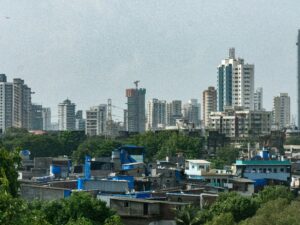
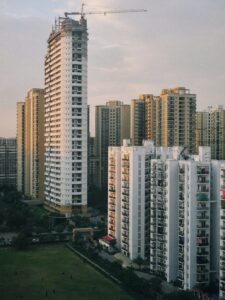
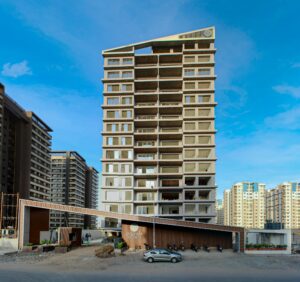
Is Mumbai property overpriced? It’s a question every buyer, investor, and renter in India’s financial capital eventually asks. To answer it, we’ll examine Mumbai property market analysis through affordability ratios, price trends, rental yields, and supply–demand dynamics—drawing on credible sources. The goal is to separate perception from data and help you decide what “value” looks like in Mumbai today.
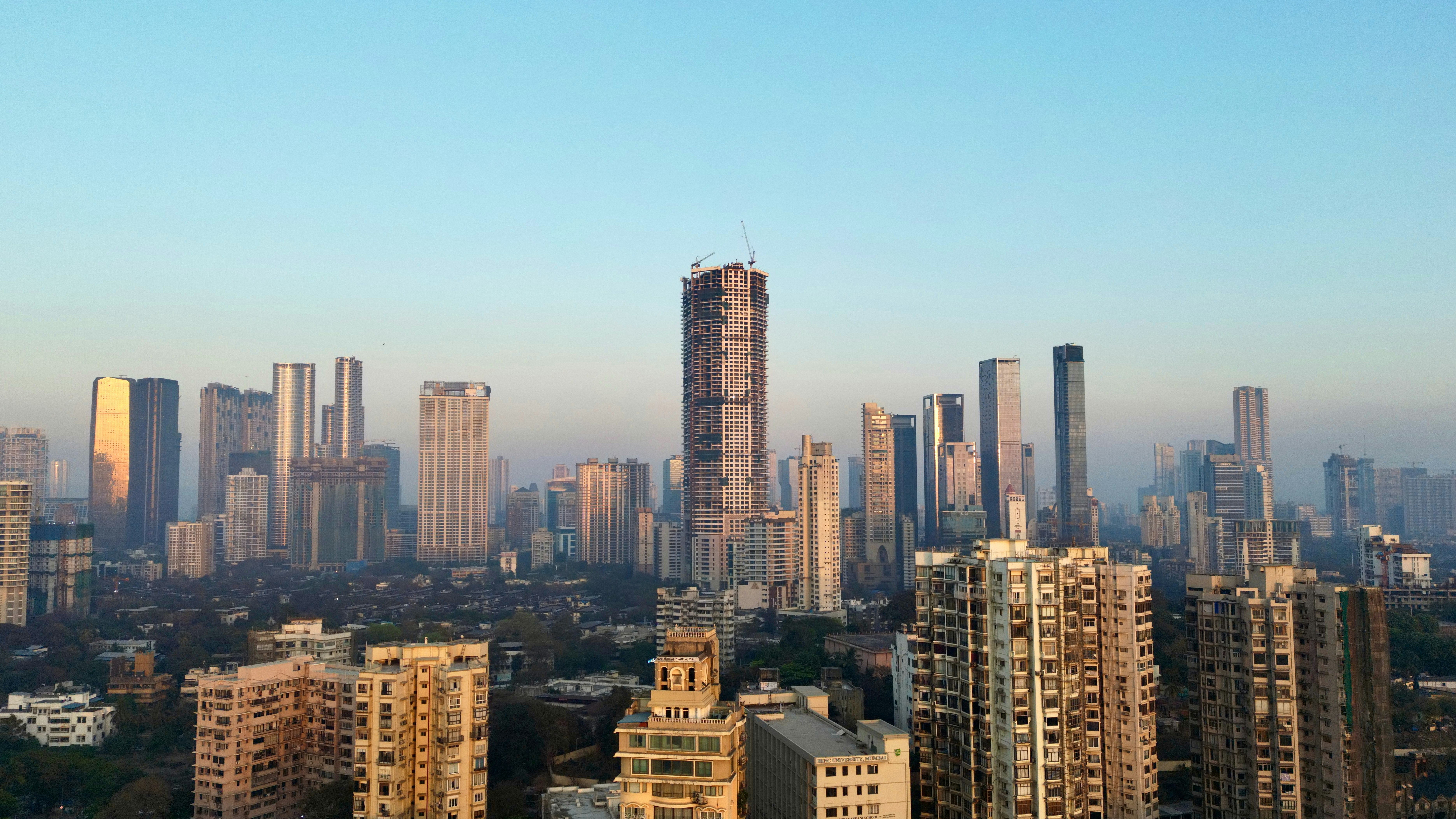
Is Mumbai property overpriced? What the data suggests
Across India’s top cities, Mumbai consistently ranks as the least affordable housing market. Multiple research cycles from reputed firms indicate the city’s EMI-to-income ratio remains the highest among major metros, underscoring stretched Mumbai housing affordability. For example, Knight Frank’s Affordability Index has repeatedly shown Mumbai’s ratio sitting in the low-to-mid 50% range in recent years—well above the widely cited 40% threshold for comfortable ownership. See Knight Frank’s latest research library for methodology and current city rankings: Knight Frank India Research.
On prices, independent series such as the Reserve Bank of India’s House Price Index (HPI) indicate Mumbai’s prices have trended upward since the pandemic-era trough, with momentum through 2023–2024. You can explore official data tools here: RBI Database on Indian Economy. Private-sector trackers (e.g., ANAROCK) have also reported high single-digit year-on-year price growth in the Mumbai Metropolitan Region (MMR) during this period: ANAROCK Research.
Affordability, income and mortgage costs
In practical terms, affordability balances household income growth, home loan rates, and real estate prices in Mumbai. While median household incomes in Mumbai’s formal sectors have grown post-2020, borrowing costs also rose with India’s rate cycle before stabilizing. For context, public sector lenders typically price home loans around the high single digits (check the latest range with India’s largest lender here: SBI Home Loans). When interest rates are elevated and prices climb faster than incomes, affordability tightens—especially in core micro-markets south of Bandra and prime pockets of the western suburbs.
Price-to-rent yields and the “carry” question
Another lens for property valuation in Mumbai is the price-to-rent ratio (or its inverse, gross rental yield). Typical gross yields in established residential micro-markets are often in the 2–3% range, while mortgage rates hover much higher. For a leveraged buyer, the negative carry (loan interest exceeding rental yield) can be a red flag—unless you believe future capital appreciation will compensate over your holding period. Lower entry prices or higher-yield submarkets (e.g., emerging eastern and far-western suburbs, parts of Navi Mumbai, and Thane) can mitigate this concern.
Supply, demand, and inventory in MMR
Stretched affordability does not automatically equal a Mumbai real estate bubble. Bubbles typically require rampant speculative buying, rapidly loosening credit, and heavily rising vacancy. The post-2020 cycle has instead featured robust end-user demand, improving project execution discipline under RERA, and a gradual reduction in months of inventory from pandemic highs—even as absolute unsold units remain large in MMR due to the market’s sheer scale. For transparency and project registration data, see the state regulator’s portal: MahaRERA.
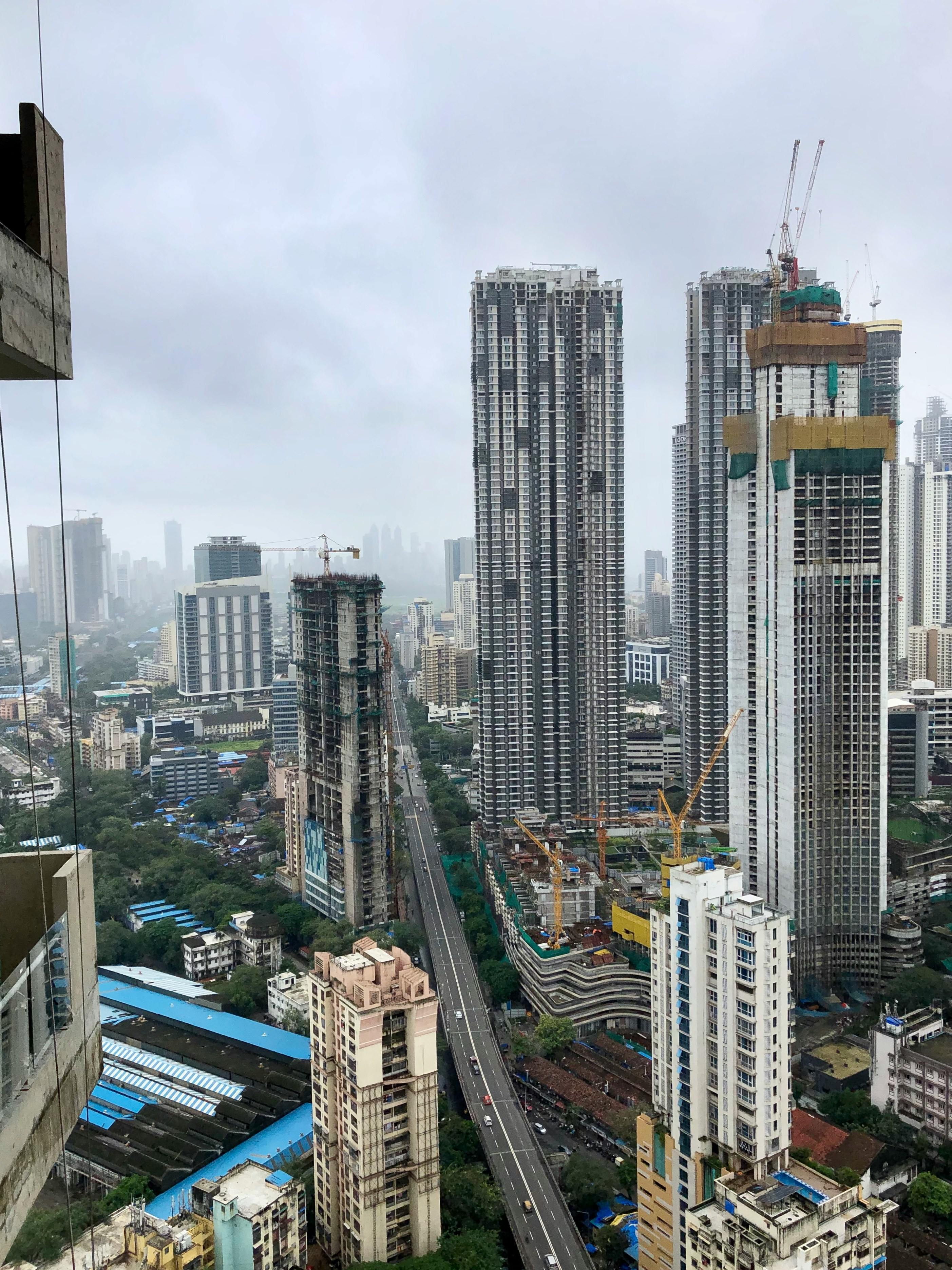
Infrastructure and structural demand
Infrastructure upgrades can reset how value concentrates across the city. New Metro corridors, road links, and coastal projects compress commute times and open fresh development nodes, often shifting demand from saturated cores to better-connected peripheries. At a national level, India’s urbanization continues to climb—over one-third of the population lives in urban areas—sustaining medium-term housing demand. For context on urbanization trends, explore World Bank data: World Bank – Urban population (% of total) for India.
Is it a bubble—or simply expensive?
Putting these pieces together, here’s a balanced Mumbai property market analysis:
- Signals of overpricing: Affordability ratios above 50% in many micro-markets; rental yields of 2–3% versus higher mortgage rates; premium pricing sustained in prime localities despite modest incremental amenities.
- Signals against a classic bubble: End-user led demand; RERA-driven discipline and transparency; steady absorption alongside new supply; price growth largely in high single digits recently, not runaway spikes across the board.
- Micro-market divergence: Some pockets (South Mumbai, prime western stretch) look fully priced or overheated; others (select Thane, Navi Mumbai, extended western/eastern suburbs) look comparatively better valued, especially where new infrastructure tangibly improves access.
Conclusion: Mumbai is structurally expensive, but not uniformly in a speculative bubble. Whether it is “overpriced” depends on your micro-market, financing profile, and holding horizon.
How to value a home in Mumbai like a pro
- Anchor to incomes: Keep total housing costs (EMI + taxes + society fees + insurance) near or below 40% of household take-home. If your ratio crosses ~50%, pause and reassess.
- Benchmark yields: Estimate gross rent for comparable units and compute yield. If yield is far below your home loan rate, ensure you have high conviction on future price appreciation or strong non-financial reasons to buy.
- Cross-check with credible indices: Track Mumbai’s trajectory using RBI’s HPI and reputable private research series to avoid overreacting to short-term listing noise (RBI DBIE, ANAROCK Research, Knight Frank India Research).
- Validate developer strength: Use RERA records for project approvals, timelines, and track record before paying premiums for under-construction inventory (MahaRERA).
- Price the commute dividend: For areas gaining new Metro or road connectivity, quantify the time saved. A 30–45 minute daily saving often justifies a moderate price premium versus non-connected alternatives.
Final verdict: Is Mumbai property overpriced?
At the city level, Mumbai remains expensive and, for many households, stretched on affordability. That said, the data does not point to a broad-based speculative bubble. In prime districts, real estate prices in Mumbai look fully valued—and in spots, overheated—while several suburban and emerging corridors still offer fair value when judged against incomes, connectivity upgrades, and realistic rent trajectories. If you buy with a conservative affordability buffer, validate yields and developer quality, and focus on infrastructure-backed locations, you can avoid overpaying even in a pricey city.
FAQs
Is Mumbai in a real estate bubble right now?
No broad-based bubble signals are evident. Affordability is stretched, but demand is end-user led, price growth has been moderate in many segments, and RERA oversight has improved project discipline.
Which Mumbai micro-markets look most overpriced?
Ultra-prime zones in South Mumbai and marquee pockets of the western suburbs often command pricing that far exceeds rental support. Yields tend to be the lowest here, making valuations look richest.
How do rental yields in Mumbai compare to home loan rates?
Typical gross yields are ~2–3% in established areas, versus mortgage rates often in the high single digits. That negative carry pressures investors unless long-term appreciation compensates.
Will new Metro lines and the Coastal Road lift prices further?
Connectivity projects usually expand the buyer catchment and reduce commute times, which can raise prices in well-connected nodes. The impact is strongest where time savings are material and amenities improve in tandem.
How can first-time buyers gauge affordability in Mumbai?
Keep your total housing outflow under ~40% of take-home income, stress-test EMI for possible rate rises, and compare rent-versus-buy costs over a 7–10 year horizon before committing.