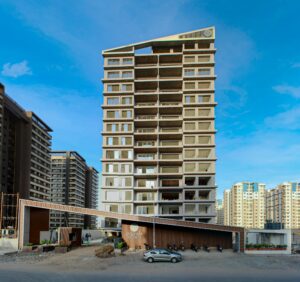
Wondering is it right time to buy property in Navi Mumbai? With major infrastructure coming online, resilient demand across the Mumbai Metropolitan Region (MMR), and multiple housing options from mid-income to premium, 2026 presents a compelling—but nuanced—window for buyers and investors. This guide distills current market drivers, price signals, best-performing micro-markets, and a practical decision framework to help you act with confidence.
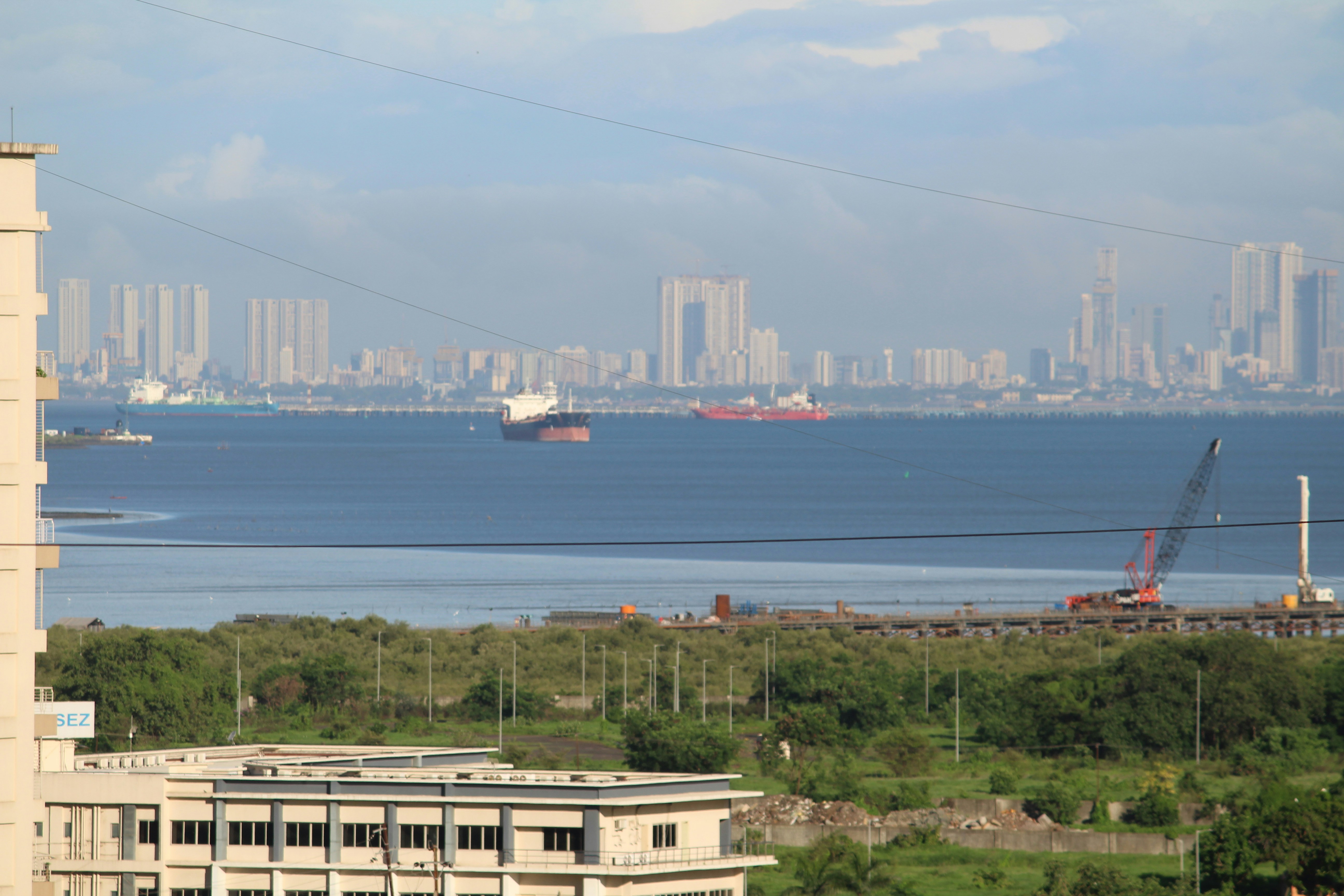
What’s moving the Navi Mumbai property market in 2026
The Navi Mumbai property market is being reshaped by connectivity upgrades, employment growth, and formalisation of the housing ecosystem:
- Game-changing connectivity: The Mumbai Trans Harbour Link (Atal Setu) opened to traffic in January 2024, sharply cutting travel time between Mumbai and Navi Mumbai/JNPT and improving access to Panvel–Ulwe growth corridors. See project authority updates from the MMRDA.
- Airport catalyst: The Navi Mumbai International Airport (NMIA) is under development as a multi-runway hub expected to realign demand in Ulwe, Dronagiri, and Panvel once operational. Track official updates via CIDCO, the planning authority.
- Metro and suburban upgrades: The Navi Mumbai Metro Line 1 is operational, improving accessibility around Taloja–Kharghar—historically a boost for residential absorption near stations.
- Tightening regulation and transparency: Project information, approvals, and status are available on MahaRERA, supporting safer due diligence for end-users and investors.
- Stable borrowing costs: The Reserve Bank of India has held policy rates at elevated-but-stable levels since 2023, leading lenders to keep home loan rates broadly steady. See the RBI’s latest stance on its Monetary Policy page.
Navi Mumbai property price trends and demand
After the post-pandemic recovery, the MMR has recorded robust sales momentum and price firming, supported by income growth and infrastructure visibility. Multiple industry studies highlight that India’s top markets, including MMR, saw record or near-record housing sales in 2023–2024, with prices trending upward in most micro-markets. For example, Reuters reported record housing sales across major Indian cities in 2023 as prices rose (Reuters).
Within Navi Mumbai, price performance has varied by node and stage of development:
- Established nodes like Vashi, Nerul, Seawoods, Airoli, and Ghansoli have seen steady end-user demand, limited new supply, and premium pricing due to workplace proximity (TTC/MBP) and social infrastructure.
- Growth corridors such as Kharghar, Taloja, Ulwe, and Panvel have displayed faster absorption in projects close to metro stations, upcoming airport influence zones, and improved highway access.
- Ticket sizes reflect a wide spectrum—from compact budget-friendly units in Taloja and Panvel to larger family homes in Kharghar and premium developments in Seawoods/Nerul.
Investors should expect micro-market divergence: areas with immediate connectivity and social infrastructure typically see lower risk and steadier appreciation, while emerging nodes closer to the airport and new transit may offer higher upside with commensurate timeline risk.
Best areas to buy in Navi Mumbai (by buyer objective)
- For end-use and daily commute ease: Airoli, Ghansoli, Nerul, Seawoods, Vashi—solid social infrastructure, established schools/hospitals, and strong suburban rail/bus connectivity.
- For value with improving connectivity: Kharghar and Taloja—benefit from metro access, education hubs, and upcoming commercial catchments.
- For long-term airport-led upside: Ulwe, Dronagiri, and select Panvel pockets—positioned for NMIA spillover and MTHL linkages. Prioritise projects with robust flood/drainage planning and clear titles.
- For rental demand near jobs: Airoli–Ghansoli belt (TTC/tech parks), Nerul–Seawoods (Seawoods Grand Central), and Kharghar (education cluster).

Is it right time to buy property in Navi Mumbai in 2026?
For end-users, 2026 is generally favourable if you’ve identified a well-connected micro-market and a RERA-registered project that fits your budget and lifestyle. For investors, the case depends on horizon and risk tolerance: established nodes offer steadier compounding, while airport/metro-adjacent corridors could deliver higher—but more volatile—returns over a 5–8 year view.
A practical decision framework
- Anchor to connectivity: Prioritise walkable access to suburban rail/metro or quick feeder links to Atal Setu, Sion–Panvel, Thane–Belapur Road, and JNPT corridors.
- Validate approvals on MahaRERA: Check the project’s registration, sanctioned plans, and possession timelines on MahaRERA.
- Assess micro-market supply: Visit 3–4 competing projects within 2 km to gauge inventory overhang, amenities trade-offs, and pricing power.
- Stress-test affordability: Use home-loan EMI at +100 bps vs current quotes. Track RBI policy cues on the Monetary Policy page.
- Check flood and civic readiness: Especially in low-lying or reclaimed precincts; review building elevation, drainage design, and monsoon access routes.
- Developer diligence: Verify delivery track record, litigation, and escrow practices; prefer phase-wise handovers and credible lenders’ technical diligence.
Risks to watch—and how to mitigate them
- Timeline risk on mega projects: Airport/metro milestones can shift. Buy for current livability first; treat future catalysts as upside.
- Title and approval gaps: Insist on legal vetting, RERA compliance, and bank-approved project lists.
- Micro-climate and flooding: Prioritise projects with robust stormwater management; speak to resident welfare associations nearby.
- Over-paying for promise: Avoid paying large premiums solely for “future airport effect” unless backed by present connectivity and amenities.
Conclusion
So, is it right time to buy property in Navi Mumbai? If you prioritise current connectivity, verify approvals on MahaRERA, and buy within a comfortable EMI-to-income range, 2026 offers a strong opportunity set—especially near operational metro/rail nodes and corridors benefiting from the Atal Setu. For investors, match horizon to risk: established nodes for steady compounding; airport-adjacent pockets for patient, higher-beta bets.
References
- Mumbai Metropolitan Region Development Authority (MMRDA) – official updates on regional infrastructure including Atal Setu (MTHL)
- CIDCO – planning authority for Navi Mumbai and NMIA project updates
- MahaRERA – project registrations and approvals
- Reserve Bank of India – Monetary Policy – policy stance/home loan rate cues
- Reuters – record housing sales in 2023 across major Indian cities
FAQs
-
Will Navi Mumbai property prices jump after the airport opens?
Historically, major infrastructure can lift values in well-connected micro-markets. Expect the biggest benefits where airport access combines with strong social infrastructure and job hubs. Treat the airport as a multi-year catalyst rather than a one-time spike.
-
What rental yields can I expect in Navi Mumbai?
Gross residential yields in established MMR micro-markets often range around low single digits, with 2–4% common depending on location, unit type, and maintenance costs. Nodes near employment clusters and transit usually command better occupancy and yields.
-
Which is better in 2026 for investment—Panvel or Ulwe?
Panvel offers diversified connectivity (highways, rail, MTHL) and a broad housing base; Ulwe is more airport-proximate with pockets of new supply. Panvel may suit investors seeking depth and liquidity, while Ulwe may appeal to those comfortable with timeline risk tied to NMIA.
-
How do I verify a project’s approvals in Navi Mumbai?
Search the project on MahaRERA to view registration details, sanctioned plans, and possession timelines. Ask your lender for a technical/legal due-diligence checklist.
-
What down payment and loan tenure should I plan for?
Banks typically finance 75–90% of a home’s value depending on ticket size and borrower profile. Many buyers plan 10–25% down payment and loan tenures up to 20–30 years, balancing EMI with future income growth.