The Indian residential real estate market has demonstrated remarkable resilience in the first quarter of 2026, showcasing a period of stability and sustained demand even as property prices continue their upward trajectory. Despite growing concerns about affordability, the market has maintained its momentum, reflecting strong buyer confidence and disciplined supply-side dynamics. In early 2026, sales across the top urban centers reached nearly 96,000 homes, a clear signal that the appetite for homeownership remains robust.
This stability is not a sign of a stagnant market, but rather one that is maturing. The growth is now being driven by genuine end-user demand, strategic inventory management by developers, and a positive long-term economic outlook. Let’s explore the key trends shaping India’s housing landscape in 2026.
State of the Market: A Look at the Q1 2026 Numbers
In the first quarter of 2026, the Indian housing sector recorded sales of approximately 96,000 units across major cities. This figure indicates a market that is holding steady, building on the strong performance seen in previous years. Interestingly, the number of new property launches has seen little change, hovering at similar levels. This points to a cautious and calculated approach from developers, who are prioritizing project completion and the sale of existing inventory over aggressive expansion. This “inventory discipline” has been crucial in preventing the market from becoming oversaturated, thus supporting price stability and growth.
Bengaluru Leads the Charge: A City-Wise Analysis
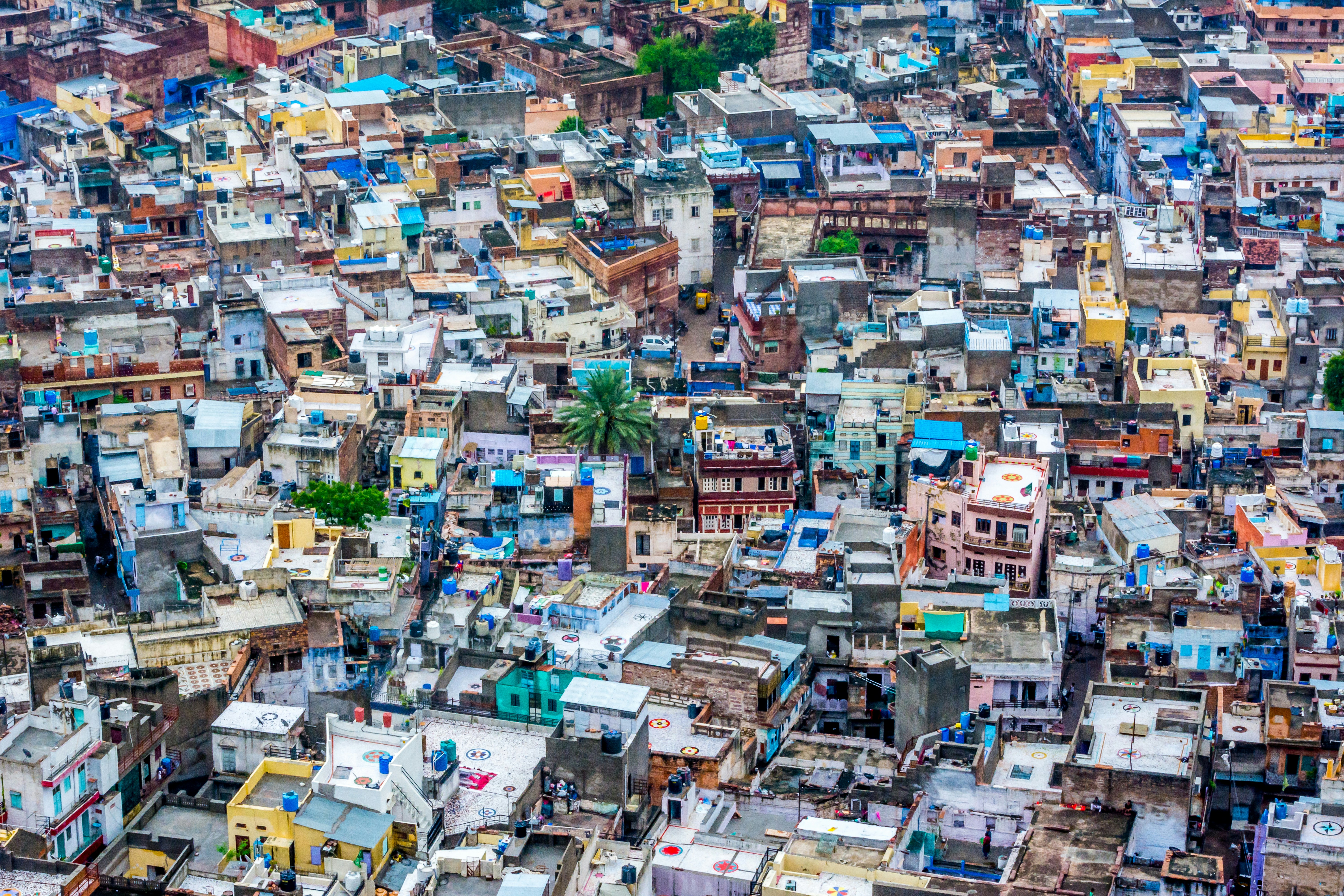
Bengaluru, India’s Silicon Valley, has emerged as the frontrunner in the housing market, leading the country in residential sales. The city’s thriving IT sector, continuous job creation, and vibrant cosmopolitan culture make it a magnet for professionals, driving consistent housing demand. The Mumbai Metropolitan Region (MMR) and Delhi-NCR have also posted strong sales figures, holding their ground as critical real estate hubs.
Other major cities contributing to the positive trend include:
- Pune: Benefitting from its proximity to Mumbai and its own growing IT and manufacturing industries.
- Hyderabad: Showcasing robust growth due to significant infrastructure development and investment from multinational corporations.
- Chennai and Kolkata: Displaying steady, albeit more moderate, growth in sales and prices.
This data aligns with long-term trends identified by real estate consultants like Knight Frank India, which consistently track the performance of these urban powerhouses.
The Persistent Challenge of Housing Affordability
While the sales numbers are encouraging, the relentless rise in property prices poses a significant challenge. For the average homebuyer, the dream of owning a home is becoming more difficult to achieve. Affordability, often measured by the ratio of monthly mortgage payments (EMI) to income, has been stretched thin in major metropolitan areas. This situation is compounded by interest rates on home loans, which, while stable, remain a key consideration for buyers. The Reserve Bank of India’s monetary policy continues to play a pivotal role in shaping borrowing costs and, by extension, housing demand.
What’s Fueling the Market’s Stability?
Several underlying factors are contributing to the market’s steadfast performance in 2026:
1. Enhanced Quality of Demand
The market has seen a fundamental shift from speculative investment to genuine end-user demand. Today’s buyers are purchasing homes to live in, not just as a short-term investment. This creates a more stable and predictable demand cycle, less susceptible to market shocks.
2. Disciplined Inventory Management
Developers have learned valuable lessons from past downturns. There is a clear focus on completing existing projects and offloading unsold stock. This discipline has led to a healthier inventory overhang (the estimated time to sell all existing stock), which supports price appreciation and reduces risks for both builders and buyers.
3. Unwavering Buyer Confidence
Despite price hikes, buyer confidence remains high. This is fueled by a stable economy, rising disposable incomes, and the deep-rooted cultural significance of homeownership in India. Real estate is increasingly viewed as a secure and appreciating asset, providing long-term financial security.
Outlook for the Rest of 2026
Looking ahead, the Indian housing market is expected to continue on its path of stable growth. Property prices are likely to appreciate further, though perhaps at a more moderate pace. The mid-range and luxury segments are anticipated to perform well, while the affordable housing sector may require further policy support to overcome affordability hurdles.
Infrastructure development, including new metro lines, highways, and economic corridors, will continue to unlock new real estate micro-markets and drive value. As the year progresses, the interplay between interest rates, economic growth, and developer strategy will determine the trajectory of one of India’s most critical sectors.
Frequently Asked Questions (FAQs)
1. Why are house prices still rising in India in 2026 if the market is just ‘stable’?
The term ‘stable’ refers to the consistent and predictable demand and supply dynamics, not stagnant prices. Prices are rising due to a combination of healthy demand from end-users, increased input costs for construction, and a disciplined approach to new project launches by developers, which keeps the supply in check and prevents over-saturation.
2. Is 2026 a good time for a first-time homebuyer in India?
It presents a mixed picture. While prices are high, strong market fundamentals and the long-term potential for appreciation make it a viable time to buy, especially if one has a stable income and a long-term horizon. However, first-time buyers must carefully assess their budget and affordability, as high property values and interest rates are significant entry barriers.
3. Which cities are the most expensive for buying a home in India in 2026?
The Mumbai Metropolitan Region (MMR) continues to be the most expensive real estate market in India. Other major cities like Bengaluru, Delhi-NCR, and Hyderabad also command premium property prices, particularly in prime locations, due to high demand driven by economic opportunities.
4. What role is the Indian government playing in the 2026 housing market?
The government continues to influence the market through various policies, including infrastructure spending which unlocks new growth corridors. While specific subsidy schemes evolve, its focus on regulating the sector through RERA (Real Estate Regulatory Authority) ensures transparency and protects homebuyers, which in turn boosts market confidence.
5. How has the luxury housing segment performed in early 2026?
The luxury housing segment has performed exceptionally well. This is driven by a growing class of high-net-worth individuals (HNIs) seeking larger homes with premium amenities and a better quality of life. This segment has shown strong sales momentum and significant price appreciation, contributing to the overall positive market sentiment.