Wondering what is TDR in real estate and why it matters to Indian property owners and developers? Transferable Development Rights (TDR) are a policy tool that lets a landowner surrender land or rights (often for public purposes) in exchange for development credits that can be sold or used to build extra floor area elsewhere, subject to local planning rules. TDR helps cities acquire land for roads, open spaces, and public amenities without immediate cash payouts, while compensating owners fairly.
What is TDR in real estate? The core idea
TDR meaning in real estate is simple: authorities grant a tradable development credit when a landowner gives up certain rights (typically land reserved for public projects). This credit can then be transferred to a receiving plot where extra buildable area is permitted, as per local development control and promotion regulations (DCPR). Internationally, TDR is widely recognized as a land value capture instrument that channels private development gains into public benefits. For background, see overviews from the Transferable development rights encyclopedia entry and the World Bank’s brief on Land Value Capture.
How TDR works in India
Several Indian cities and states operate TDR frameworks under their planning laws. While the specifics vary by jurisdiction, the basic flow is similar:
1) When is TDR generated?
- Public purpose reservations: When privately owned land is reserved for roads, open spaces, schools, hospitals, or utilities in the development plan and the owner surrenders it free of encumbrances to the local authority.
- Road widening/Infrastructure corridors: Land ceded to widen streets or create transport/utility corridors may qualify for TDR.
- Heritage conservation or environmental buffers: Restrictions that reduce development potential may be compensated via TDR in some cities.
- Rehabilitation and resettlement: Certain schemes generate TDR to incentivize rehousing or slum improvement, depending on local policy.
2) TDR certificate (Development Rights Certificate)
Post-verification, the planning authority issues a TDR certificate—often called a Development Rights Certificate (DRC)—stating the quantum of development rights (commonly measured in square meters or as a Floor Space Index/FAR credit). This document can be traded to another party or endorsed for use on a receiving plot. Always verify the certificate’s authenticity with the issuing authority’s records before any transaction.
3) Using TDR in construction
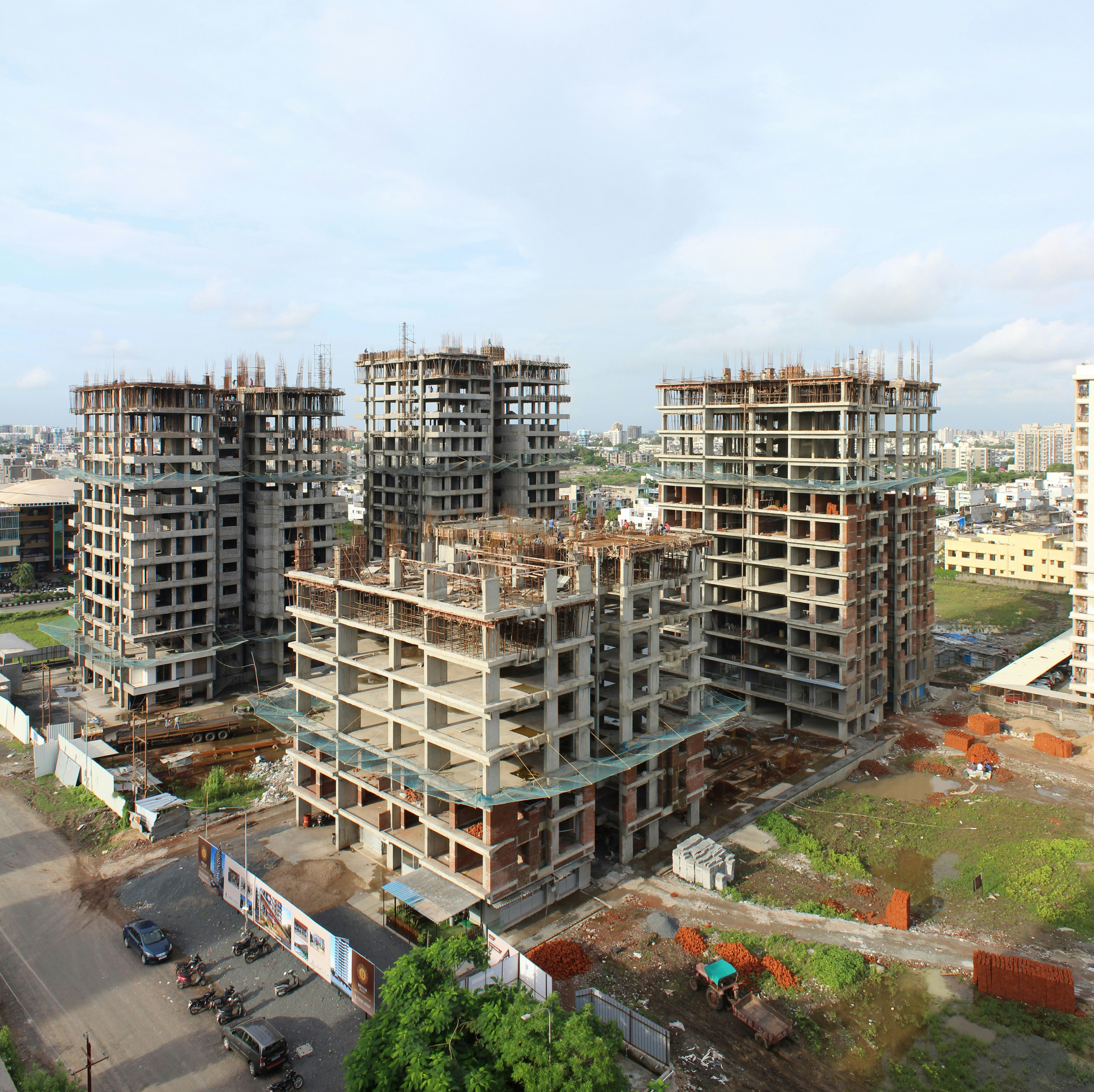
TDR in construction lets developers load additional FSI/FAR onto eligible receiving plots, up to caps defined by local bylaws. Typical conditions include:
- Eligibility and caps: Maximum permissible FSI with TDR, street width norms, and building height limits.
- Source–destination rules: Some cities restrict where TDR generated in one zone can be used (e.g., by distance or ward/zone).
- Non-overlap with premium FSI: Where premium or fungible FSI exists, rules govern how these combine with TDR.
- Structural and fire norms: Any added floor area must comply with structural stability, fire safety, parking, and environmental clearances.
Key TDR property rules and local variations
TDR property rules are city-specific, defined in each jurisdiction’s development plan and building bylaws. Common variables include:
- Computation method: Some award TDR equal to surrendered land area; others use multipliers for road width, amenity type, or location.
- Where TDR can be used: Rules may require TDR to flow from congested/heritage areas to less congested growth corridors, or within specified zones.
- Caps and stacking: Limits on total FSI/FAR after adding TDR; whether TDR can stack with transfer within plot, fungible/premium FSI, or incentives.
- Validity and endorsement: Certificates may need periodic endorsement or revalidation; transfers typically require stamped assignments or digital registry entries.
- Transparency mechanisms: Some authorities publish TDR rates, maps of generating/receiving zones, and digital ledgers to curb misuse.
For a broader context on Indian urban planning instruments and why cities use tools like TDR, consult this overview by PRS Legislative Research: Urban Planning in India, and the Ministry of Housing & Urban Affairs for national policies and model bylaws: mohua.gov.in.
Benefits and risks of TDR
- Benefits to owners: Fair, market-linked compensation without litigation; liquidity via sale of DRC/TDR certificate.
- Benefits to cities: Faster acquisition for public amenities without upfront cash; aligns private development with public goals.
- Benefits to developers: Access to additional floor area in strategic locations, helping viability and housing supply.
- Market and compliance risks: TDR prices can be cyclical; misuse or ineligible loading can trigger penalties. Due diligence is critical.
Illustrative example (simplified)
A landowner surrenders 1,000 sq m reserved for a public garden. The planning authority issues a DRC reflecting the eligible development rights (as per that city’s formula). A developer buys the DRC and uses it to increase permissible FSI on an eligible receiving plot, staying within the maximum FSI cap, parking, and fire norms. Exact numbers vary by city rules—always check the applicable DCPR and sanctioned plans.
Practical checklist before buying or using TDR
- Verify title and encumbrances: Confirm the surrendered land was free of encumbrances at the time of issuance.
- Authenticate the TDR certificate: Cross-check certificate/DRC numbers, endorsements, and current balance with the issuing authority.
- Confirm receiving-plot eligibility: Zoning, road width, FSI/FAR cap after TDR, and whether other incentives can be combined.
- Update building design and clearances: Structural, fire, parking, and environmental approvals must reflect the added area.
- Document transfer and consideration: Use registered assignment/endorsement; maintain a clear audit trail for lenders and regulators.
- Tax and accounting: Seek advice on GST, stamp duty on assignments, and income/capital gains implications applicable to your case.
Conclusion: Using TDR responsibly to grow cities
In summary, understanding what is TDR in real estate helps owners, buyers, and builders navigate India’s evolving urban landscape. As a market-based tool, Transferable Development Rights India programs can unlock land for public goods while making projects viable—provided participants follow local bylaws, verify TDR certificates, and design responsibly. When used with transparency and due diligence, TDR aligns private development with public-interest city building.
FAQs
1) What is the difference between TDR and FSI/FAR?
FSI/FAR is the permitted buildable area on a plot set by zoning rules. TDR is a tradable credit that can be added to eligible plots, within caps, to exceed base FSI/FAR as per local regulations.
2) Can TDR be used across different cities or states?
No. TDR is jurisdiction-specific. A certificate issued under one city’s or state’s regulations typically cannot be used in another jurisdiction.
3) How do I verify a TDR certificate before purchase?
Match the certificate/DRC number, owner details, and remaining balance with the issuing authority’s official records or online registry, and verify any endorsements or prior transfers.
4) Does RERA apply to projects that use TDR?
Yes. If a project meets RERA thresholds, it must register regardless of whether TDR is used. TDR affects permissioning/FSI, while RERA governs project transparency and consumer protection.
5) Are there taxes on TDR transactions?
Tax treatment varies by transaction type and state. Assignments may attract stamp duty/GST as applicable, and gains could be taxable. Always obtain advice from a qualified tax professional.