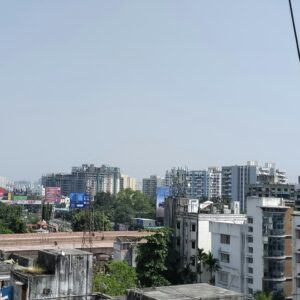
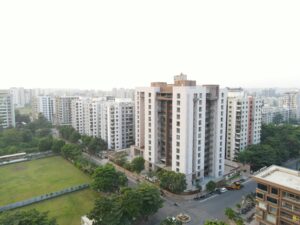
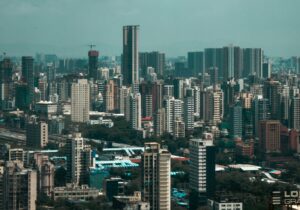
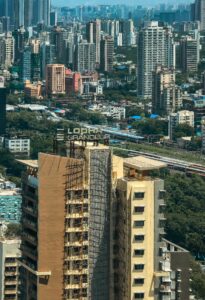
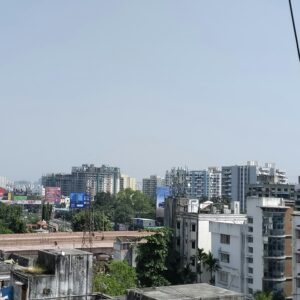
Mumbai is India’s financial capital and the country’s most active real estate market. The city attracts businesses, skilled professionals, and global investors. This steady demand places intense pressure on limited land and available housing. An experienced real estate developer in Mumbai understands these structural challenges and market dynamics in depth.
Understanding why real estate prices are so high in Mumbai helps buyers, investors, and policymakers make informed decisions. The reasons stem from long-term structural, economic, and regulatory factors that directly influence property values across every micro-market.
Historical Growth of Mumbai’s Property Market
The early growth of Mumbai’s property market followed the city’s restricted geography. The original urban centres in South Mumbai developed rapidly because businesses, ports, and administrative offices were concentrated there. Demand exceeded supply from the 1970s onwards as rapid urbanisation accelerated. As the city expanded northwards, suburban markets such as Andheri, Bandra, Thane, and Navi Mumbai emerged.
Population growth increased every decade. The Census of India recorded Mumbai’s metropolitan population at over 18 million in 2011, and the rise has continued steadily. These long-term trends created price pressure that still shapes why real estate prices are so high in Mumbai.
Limited Land Availability and Geographical Constraints
Mumbai sits on a narrow island with the Arabian Sea on its coastline. The city has no scope for horizontal expansion. Coastal Regulation Zone (CRZ) restrictions limit construction near the shoreline. Marshlands, creeks, and mangroves reduce buildable space further. The total land available for development remains significantly lower than in mainland cities. This scarcity is one of the strongest reasons why real estate prices are so high in Mumbai, as every parcel of land carries high economic value.
High Population Density and Massive Demand
Mumbai has one of the highest population densities in the world. Millions migrate each year for employment, education, and business opportunities. This movement creates non-stop demand for housing across all segments. Residential supply cannot match the pace of demand. Commercial demand also rises because corporate activity increases annually. The aspirational mindset of homebuyers adds momentum, as buyers prefer ownership in a stable market with long-term appreciation. These factors directly explain why real estate prices are so high in Mumbai.
Infrastructure Growth and Connectivity Projects
Major infrastructure projects influence real estate prices across the city. Metro lines, the Coastal Road, the Mumbai Trans Harbour Link, and the Bandra-Worli Sea Link increase connectivity and reduce travel time. Improved connectivity upgrades the value of nearby residential zones. Locations such as Thane, Navi Mumbai, and Andheri show consistent appreciation because infrastructure investment stimulates demand. Infrastructure expansion is a significant reason why real estate prices are so high in Mumbai today.
Role of Government Policies and Regulations
Government regulations influence project timelines, land use, and construction costs. Floor Space Index (FSI) revisions affect the scope of redevelopment and increase overall supply in specific zones. Stamp duty and tax changes add direct costs for homebuyers. The Real Estate Regulation and Development Act (RERA), introduced in 2016, increased compliance requirements for developers.
A trusted real estate builder in Bhandup follows these regulations closely to maintain transparency and project quality. These factors improve transparency but also increase project expenditure, which contributes to overall pricing levels.
Premium Land Cost and Construction Expenses
Land prices in Mumbai remain among the highest in India. Developers pay significant amounts for land acquisition. Construction expenses rise every year because the prices of cement, steel, and labour increase. Modern buyers expect high-quality amenities, safety standards, and premium materials. These expectations raise the total cost of development. All these elements influence why real estate prices are so high in Mumbai, especially in central and western suburbs.
Redevelopment Boom and Cost Implications
Mumbai has thousands of ageing buildings that require redevelopment. Redevelopment includes tenant compensation, temporary relocation, and enhanced construction standards. Transferable Development Rights (TDR) also influence project feasibility. These additional expenses raise the final sale price of the new homes. Redevelopment plays an important role in price formation across suburban micro-markets.
Influence of Commercial Hubs and Employment Opportunities
Major business districts such as Bandra Kurla Complex (BKC), Lower Parel, Andheri, and Navi Mumbai drive high residential demand. These hubs attract multinational corporations, financial institutions, and IT companies. High salaries and steady employment growth increase purchasing capacity. Job concentration remains a decisive factor in why real estate prices are so high in Mumbai, especially near prime employment corridors.
Investment Demand and Speculative Buying
Mumbai remains a stable investment destination for High Net-Worth Individuals (HNIs), Non-Resident Indians (NRIs), and long-term investors. Premium neighbourhoods attract consistent capital inflow. Investor participation increases demand and strengthens price appreciation. Investment-led buying influences property values in both the luxury and mid-income segments.
Lifestyle Appeal and Premium Branding
Mumbai offers a strong lifestyle infrastructure. The city hosts major entertainment centres, reputed schools, advanced hospitals, and premium retail spaces. Neighbourhoods with strong lifestyle appeal command higher prices. Luxury branding by developers also increases the perceived value of projects. These lifestyle-driven factors explain why real estate prices are so high in Mumbai, especially in western and south-central zones.
Comparison with Other Metro Cities
Mumbai’s prices remain higher than Delhi, Bengaluru, and Pune because these cities have more available land and wider expansion corridors. Mumbai’s physical constraints and economic importance create a unique pricing structure. Limited supply and strong demand differentiate Mumbai from other Indian metro markets.
Future Price Trends and Market Forecast
Upcoming projects near the Mumbai Trans Harbour Link, the Navi Mumbai International Airport, and the Coastal Road will create new appreciation corridors. Demand is rising for every modern residential project near Navi Mumbai airport, as improved connectivity strengthens long-term value. Experts predict stable price growth across eastern and western suburbs. The long-term outlook remains strong because structural factors remain unchanged, reinforcing why real estate prices are so high in Mumbai.
Conclusion
Mumbai’s property prices remain high because of limited land, continuous demand, major infrastructure growth, regulatory costs, lifestyle appeal, and strong economic activity. Buyers and investors benefit from evaluating established developers, including an experienced real estate developer in Mumbai, a trusted real estate builder in Bhandup, or a modern residential project near Navi Mumbai airport to make informed decisions in this competitive market.