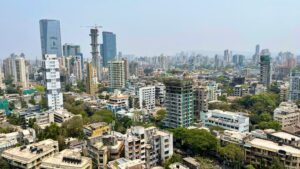
Wondering where to invest in property in Mumbai? This 2026-focused guide highlights the best investment locations in Mumbai, the high growth areas Mumbai investors are tracking, and the infrastructure projects shaping long-term ROI. Backed by official sources and on-ground trends, use this as a practical roadmap for real estate investment Mumbai decisions.
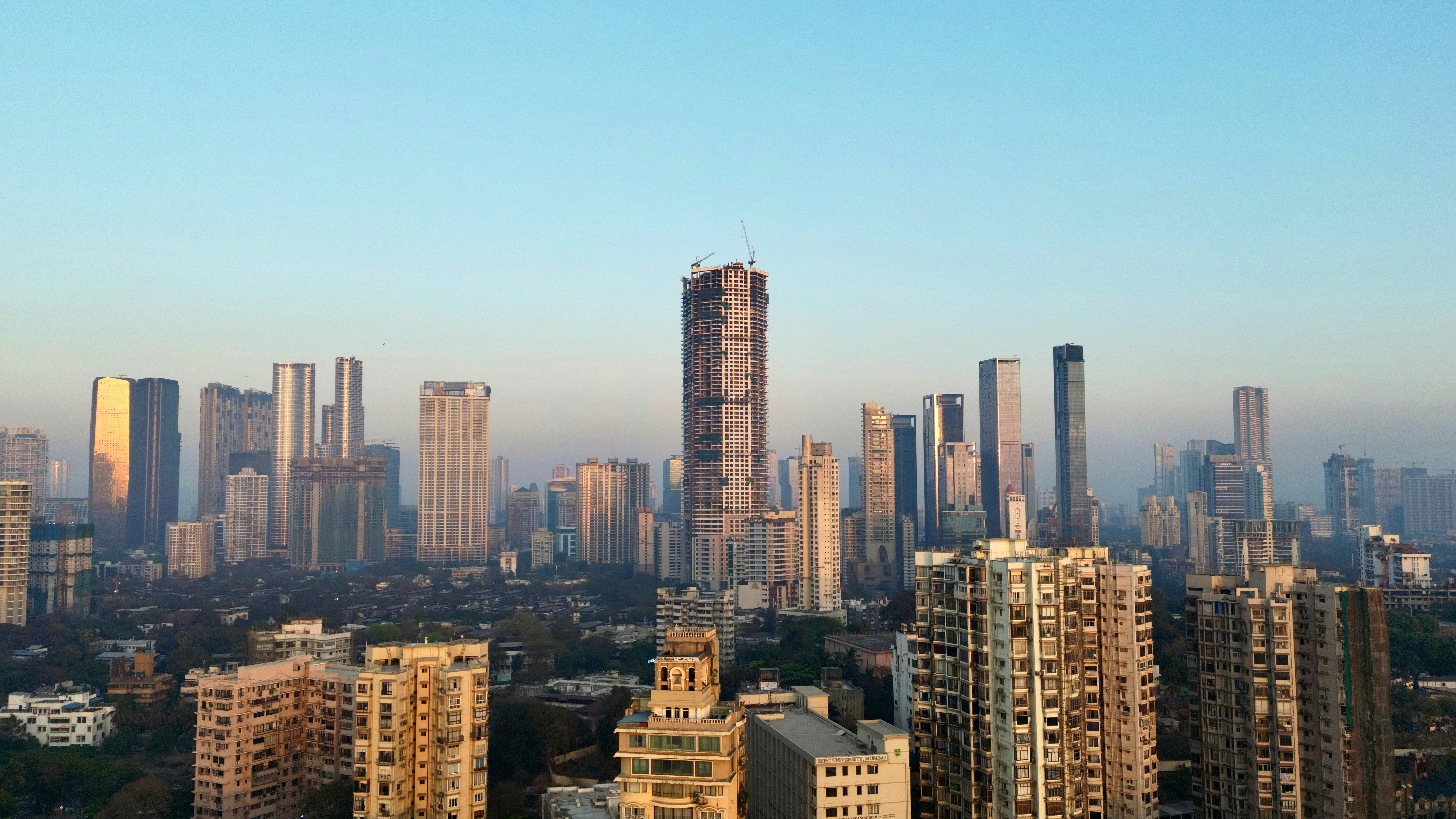
Where to Invest in Property in Mumbai: 2026 Outlook
Mumbai’s appeal rests on diversified employment hubs (BKC, Andheri–SEEPZ, Powai, Lower Parel), deep public transit, and ongoing mega-projects that rewire commute patterns and property demand. In 2024, the Atal Setu (MTHL) sea bridge opened, improving access between south-central Mumbai and Navi Mumbai/mainland nodes, while Metro Lines 2A and 7 became fully operational across the western corridor—both key catalysts for new demand pockets. Official agencies like the Mumbai Metropolitan Region Development Authority (MMRDA) and the city operator for select lines (MMMOCL) continue to expand the network and last-mile connectivity, which historically supports price stability and absorption over time.
Useful official resources:
- Mumbai Metropolitan Region Development Authority (MMRDA)
- Maha Mumbai Metro Operation Corporation Ltd. (MMMOCL)
- Brihanmumbai Municipal Corporation (BMC)
- CIDCO (Navi Mumbai development)
- Reserve Bank of India (housing/credit data)
High-Growth Areas Mumbai: Micro-Markets to Watch
1) Western Corridor: Andheri–Goregaon–Malad–Kandivali–Borivali
Why it matters: The fully operational Metro Lines 2A (Dahisar East–Andheri West) and 7 (Dahisar East–Gundavali) ease crosstown travel, reduce bus/car reliance, and make mid-income and premium projects along S.V. Road and the Link Road more attractive. Office hubs in Andheri East and film/tech ecosystems around Andheri–Goregaon keep rental demand resilient.
Who it suits: Investors seeking balanced capital appreciation and steady rental demand. End-users who value transit-first living.
2) Powai–Vikhroli–Kanjurmarg
Why it matters: Powai’s integrated township ecosystem and proximity to Saki Naka/Andheri East job clusters support premium values. Vikhroli–Kanjurmarg offer relatively lower entry points with improving connectivity to Eastern Express Highway and Central line stations.
Who it suits: Long-term investors aiming for quality tenants, with a mix of premium and mid-segment options.
3) Chembur–Wadala–Sion–Matunga (Eastern Artery)
Why it matters: Strong access to the Eastern Freeway, monorail/rail nodes, and arterial roads makes these areas enduringly popular. Wadala’s strategic location between BKC and south-central Mumbai keeps it on investor shortlists.
Who it suits: Buyers prioritizing central connectivity with potential for value accretion as infrastructure upgrades progress.
4) Thane: Ghodbunder Road–Pokhran–Majiwada
Why it matters: Thane’s transformation—with large-format townships, schools, hospitals, and malls—continues. Connectivity via Eastern Express Highway and growing metro links under development position Thane as one of the best investment locations in Mumbai Metropolitan Region for space, amenities, and relative affordability.
Who it suits: Families/end-users needing larger configurations and investors seeking diversified tenant pools.
5) Navi Mumbai: Kharghar–Ulwe–Taloja–Panvel
Why it matters: Planned infrastructure, ongoing Navi Mumbai International Airport (under construction), and established nodes like Kharghar support long-run prospects. Ulwe and Taloja appeal on entry pricing, while Panvel benefits from highway and rail connectivity.
Who it suits: Early movers focused on capital appreciation and those comfortable with staged infrastructure timelines.
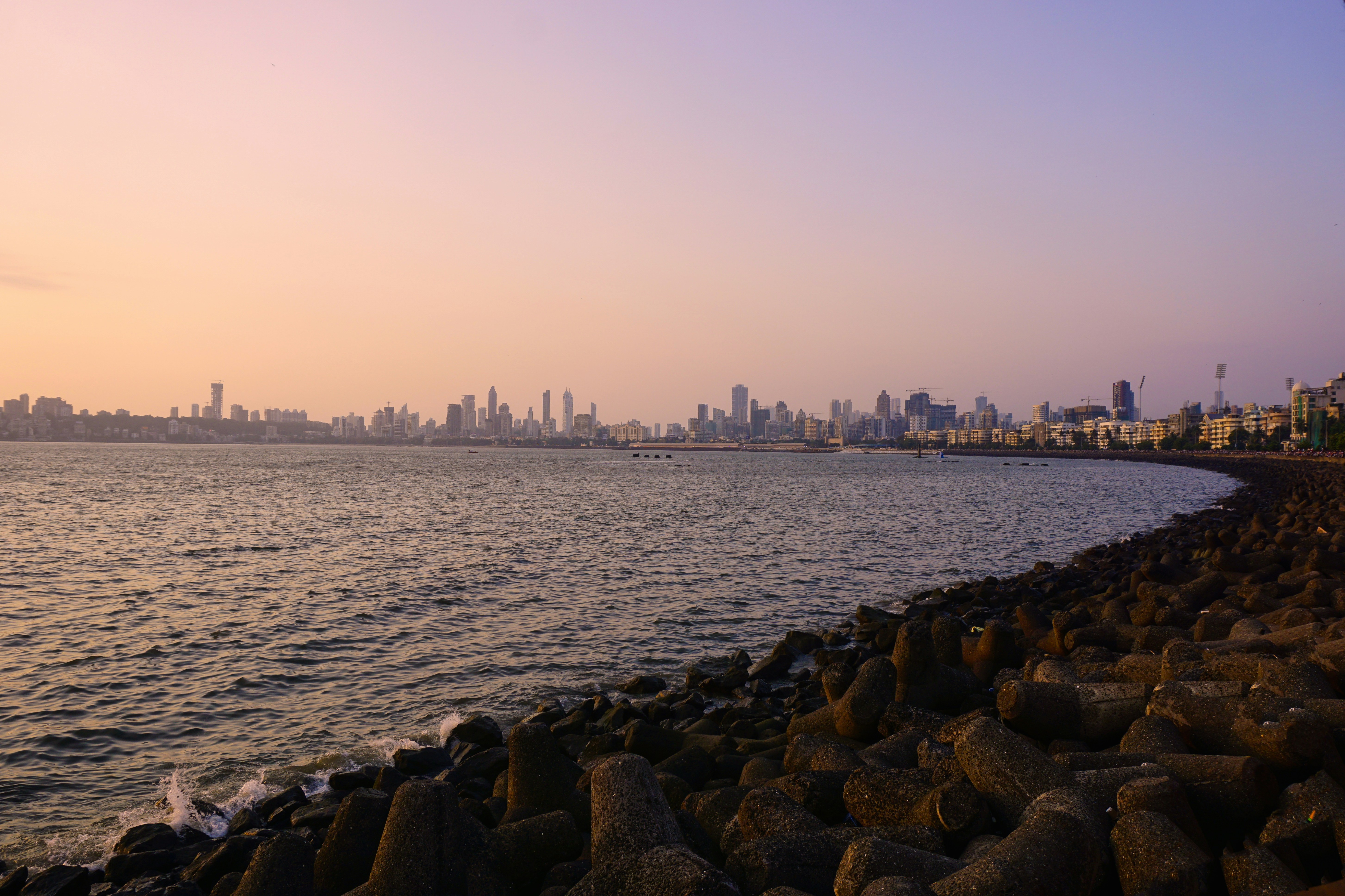
6) Mira Road–Bhayandar; Vasai–Virar
Why it matters: Western Railway suburban connectivity keeps these markets active for first-time buyers. As prices in the core western suburbs rise, demand often migrates here for budget-friendly options.
Who it suits: Value-seeking investors and end-users prioritizing affordability with rail access.
7) Kalyan–Dombivli–Ambernath–Badlapur
Why it matters: Central Railway suburban lines and expanding social infrastructure support steady absorption. These submarkets can offer attractive ticket sizes and improving liveability.
Who it suits: Investors looking for long-horizon appreciation with manageable entry costs.
Upcoming Property Locations Mumbai: What’s Moving the Needle
- Sea Link & Mega Bridge: The Atal Setu (MTHL) opened in 2024, enhancing access between Sewri and Nhava Sheva and improving linkages to Navi Mumbai and the mainland—an important tailwind for residential demand. See project updates via MMRDA.
- Metro Network: Operations on Lines 2A and 7 and continued expansion improve commutes across the western and other corridors; operational updates are available through MMMOCL.
- Coastal Road (Phase-wise): Gradual openings improve access to south Mumbai; city infrastructure updates are available via BMC.
- Navi Mumbai International Airport: Under construction and anchored by planned city development overseen by CIDCO, the airport is a multi-year catalyst for Ulwe, Panvel, and surrounding nodes.
ROI Property Investment Mumbai: How to Evaluate
- Connectivity premium: Proximity to metro/rail stations and arterial roads often commands higher absorption and better tenant demand. Check Western Railway (WR) and Central Railway (CR) for network information.
- Micro-market supply and vacancy: Submarkets with disciplined new supply and strong social infrastructure (schools, hospitals, retail) tend to be resilient.
- Rental yield vs. end-user demand: Mumbai traditionally skews to capital appreciation over high yields; choose micro-markets where tenant profiles (corporate hubs, edu-medical clusters) sustain occupancy.
- Regulatory and title diligence: Verify approvals, RERA details, and clear titles. Prefer reputed developers and completed or near-complete stages if your risk appetite is low.
- Macro indicators: Track home-loan rates, credit conditions, and housing price trends via the Reserve Bank of India. Monetary cycles influence affordability and purchase timing.
Best Investment Locations in Mumbai by Buyer Profile
- First-time buyers (budget-focused): Mira Road–Bhayandar, Vasai–Virar, Kalyan–Dombivli–Ambernath–Badlapur.
- End-users seeking larger homes/amenities: Thane (Ghodbunder, Pokhran, Majiwada), Navi Mumbai (Kharghar, Panvel).
- Investor-landlords seeking liquidity: Andheri–Goregaon–Malad–Kandivali–Borivali; Powai–Vikhroli for quality tenant base.
- Long-horizon capital appreciation (infrastructure-led): Ulwe, Taloja, Panvel; Wadala/Sion corridors benefiting from enhanced east–west and south linkages.
Conclusion: Where to Invest in Property in Mumbai in 2026
For 2026, focus on corridors where infrastructure is either operational or meaningfully advancing: the western suburbs along Metro 2A/7, the Powai–Vikhroli belt, Thane’s integrated nodes, and Navi Mumbai pockets aligned to airport-driven growth. Balance your ROI property investment Mumbai goals by pairing connectivity, developer quality, and micro-market fundamentals. If you’re deciding where to invest in property in Mumbai, start with transit proximity, clear titles, and end-user demand—the proven anchors of long-term performance.
FAQs
1) Which areas currently offer the best value for first-time buyers?
Suburban markets with strong rail links—such as Mira Road–Bhayandar, Vasai–Virar, and Kalyan–Dombivli–Ambernath–Badlapur—tend to provide budget-friendly entry points with improving social infrastructure.
2) Are rental yields higher in the western suburbs or Navi Mumbai?
Yields vary by project and micro-location. Western suburbs often benefit from deeper tenant pools near Andheri–Goregaon job hubs, while Navi Mumbai’s yields can improve as infrastructure (airport, metro, highways) scales. Compare like-for-like projects near transit nodes to gauge realistic yields.
3) How do new metro lines influence ROI?
Operational metro lines typically cut commute times and expand tenant catchments, supporting absorption and price stability. Properties within walking distance (or a short feeder ride) to stations often see stronger demand and liquidity over time.
4) Is Thane still attractive for end-users in 2026?
Yes. Thane’s larger layouts, mature amenities, and arterial connectivity make it a strong choice for families. It remains competitive on price per sq. ft. versus core Mumbai while offering good schools, healthcare, and retail.
5) What should I verify before booking an under-construction flat?
Check RERA registration, sanctioned plans, stage-wise construction approvals, escrow norms, and the developer’s track record. Prefer projects with transparent milestone updates and strong financing to reduce execution risk.