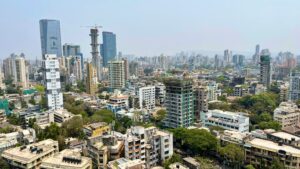
Mumbai’s real estate market stands at a transformative juncture. The city’s property landscape is evolving rapidly, driven by infrastructure expansion, changing buyer preferences, and technological integration. Understanding these shifts is essential for investors, end-users, and industry stakeholders navigating India’s most dynamic property market.
Overview: How Mumbai’s Real Estate Market Is Evolving
Mumbai’s real estate sector continues to demonstrate resilience despite land constraints and premium pricing. The property market operates under persistent demand-supply tension. Available land remains limited within the island city, pushing development towards suburban corridors and peripheral zones. Residential apartments dominate transaction volumes, whilst commercial spaces attract institutional capital.
The city’s structural strength derives from its economic significance. Mumbai generates approximately 6% of India’s GDP. This economic vitality sustains housing demand across price segments. Urban development projects worth over ₹3 trillion are reshaping connectivity and accessibility. These infrastructure investments fundamentally alter location desirability and investment opportunities.
Market trends indicate a maturing ecosystem. Property regulations have strengthened transparency through RERA implementation. Buyers now access verified project information and builder credentials. This regulatory framework has improved trust whilst eliminating speculative inventory. Genuine end-user demand now drives market dynamics more than investor speculation.
Key Trends Shaping the Future of Real Estate in Mumbai
Infrastructure-Led Growth and Connectivity
Mumbai’s infrastructure revolution directly impacts real estate valuations. The Metro network expansion includes seven operational corridors, with additional lines under construction. These projects reduce commute times by 40-60% in connected suburbs. Areas near Metro stations witness 15-25% appreciation premiums over non-connected localities.
The Mumbai Trans-Harbour Link connects the island city to Navi Mumbai in 20 minutes. This infrastructure cuts previous travel time by two-thirds. The Coastal Road project delivers uninterrupted north-south connectivity along the western seaboard. These corridors unlock previously inaccessible micro-markets.
The Navi Mumbai International Airport creates satellite growth zones. Surrounding areas experience accelerated commercial development and residential demand. Properties within 10-kilometre radius of the airport show enhanced long-term appreciation potential.
Shift Toward Compact, Efficient Homes
Housing prices in Mumbai average ₹15,000-40,000 per square foot across prime locations. This premium pricing drives demand towards compact configurations. Studio and 2 BHK homes dominate new launches, constituting 65-70% of residential inventory. Developers like Marathon Group Bhandup residential projects focus extensively on these formats.
Studio and 2 BHK homes in Bhandup Mumbai appeal to first-time buyers and nuclear families. These units offer entry-level pricing whilst maintaining location advantages. Buyers prioritise functional layouts over excessive space. Smart design maximises utility within constrained footprints.
Affordable housing schemes under government initiatives expand ownership opportunities. Projects priced below ₹45 lakhs qualify for tax benefits and subsidised interest rates. This segment addresses critical supply shortages for middle-income households.
Rise of Integrated Townships and Mixed-Use Developments
Integrated townships provide self-sufficient ecosystems. These developments combine residential apartments, commercial spaces, retail zones, and recreational facilities. Residents access employment, education, and entertainment within single complexes.
Suburban locations favour such large-format projects due to land availability. Developers create mini-cities offering comprehensive amenities. This model reduces dependency on congested central business districts. Working professionals value time savings and lifestyle convenience.
Mixed-use developments generate steady rental yields. Commercial components provide income stability. Residential sections appreciate through location maturation. This dual advantage attracts long-term investors seeking portfolio diversification.
Sustainability, Green Buildings & Smart Homes
Environmental considerations influence construction projects. Green Building certifications reduce operational costs by 20-30% through energy-efficient designs. Solar panels, rainwater harvesting, and waste management systems become standard features.
Smart home integration appeals to technology-oriented buyers. Automated security systems, energy management, and connected appliances enhance living experiences. These features command 8-12% premiums over conventional properties.
Water management systems address Mumbai’s seasonal supply challenges. Developers install dual plumbing for potable and recycled water. Sewage treatment plants enable garden irrigation and utility requirements. Sustainable practices improve long-term property desirability.
Technology-Driven Buying and Investing
Digital transformation reshapes property transactions. Virtual site visits enable remote property evaluation. Buyers inspect construction progress through 360-degree videos and live cameras. This transparency builds confidence for NRIs and interstate investors.
Online booking platforms streamline purchase processes. Digital payment options facilitate seamless transactions. Buyers complete documentation electronically, reducing physical visits.
Data analytics inform investment decisions. Comparative price indices, rental yield calculators, and appreciation trackers provide empirical insights. Investors analyse micro-market performance before committing capital. Technology democratises information previously accessible only to institutional players.
Mumbai Real Estate Price Forecast: What to Expect by 2025–2030
Residential Property Price Outlook
Housing prices demonstrate steady upward trajectories. Established locations appreciate 6-9% annually. Emerging corridors connected by infrastructure projects show 10-15% growth potential. This differential reflects accessibility improvements and amenity development.
Luxury flats in South Mumbai and Bandra maintain premium valuations. These micro-markets attract high-net-worth individuals seeking exclusivity. Prices stabilise rather than spike due to limited buyer pools.
Peripheral zones offer higher growth percentages from lower bases. Suburbs like Bhandup, Mulund, and Thane expand residential stock. Projects by trusted Mumbai real estate developers with multiple projects provide quality options across price segments.
Rental Yield and End-User Demand
Rental yields average 2-3.5% across Mumbai. Commercial properties deliver 6-8% returns. Residential rental demand remains robust near employment hubs and educational institutions.
End-user purchases constitute 70% of transactions. Actual occupation drives this demand rather than speculative investment. This shift creates market stability and reduces volatility. Genuine requirements ensure steady absorption of new inventory.
Long-Term Capital Appreciation vs Short-Term Gains
Mumbai real estate favours patient capital. Five-to-seven-year holding periods generate optimal returns. Short-term speculation yields diminishing gains due to transaction costs and stamp duties.
Capital appreciation accumulates through infrastructure completion and location maturation. Early investments in developing corridors maximise gains. Established areas provide stability with moderate growth.
Best Areas to Benefit From Mumbai’s Future Growth
Western Suburbs
Borivali, Kandivali, and Andheri offer established infrastructure with ongoing enhancements. Metro connectivity improves accessibility to employment centres. These suburbs balance pricing and convenience.
Residential projects cater to middle and upper-middle-income segments. Schools, hospitals, and retail centres provide complete ecosystems. Property values demonstrate consistent appreciation patterns.
Central Suburbs
Vikhroli, Ghatkopar, and Chembur benefit from Metro and monorail networks. These areas connect seamlessly to business districts. Industrial land conversions create fresh residential inventory.
Central suburbs attract young professionals seeking affordability near workplaces. Rental demand remains strong, ensuring steady yields. Price points remain accessible compared to premium western corridors.
Thane and Extended Suburbs
Thane emerges as a satellite city with independent economic activity. Infrastructure investments reduce Mumbai dependency. Property prices remain 30-40% below equivalent Mumbai locations.
Extended suburbs like Kalyan-Dombivli and Virar offer entry-level pricing. Improved railway connectivity makes these areas viable for long commutes. First-time buyers dominate purchases in these markets.
Navi Mumbai and Peripheral Growth Corridors
The upcoming international airport positions Navi Mumbai as a growth catalyst. Panvel, Kharghar, and Ulwe witness accelerated development. Land availability enables large-scale townships and commercial hubs.
Logistics and warehousing sectors create employment opportunities. Residential demand follows job creation. Investment opportunities exist for patient capital willing to wait for infrastructure maturation.
Is It a Good Time to Invest in Mumbai Real Estate?
For End-Users
Current market conditions favour genuine homebuyers. Interest rates, whilst elevated, remain manageable through mortgage options. Developers offer flexible payment plans and limited-period discounts.
RERA compliance ensures project delivery timelines. Buyers purchase with greater confidence than during pre-regulation eras. End-users benefit from transparent transactions and quality construction standards.
Waiting for price corrections may prove counterproductive. Infrastructure-driven appreciation offsets short-term interest costs. Securing property at current rates protects against future escalations.
For Long-Term Investors
Mumbai’s real estate offers wealth preservation rather than speculative returns. Investors seeking 8-12% annualised appreciation over decades find Mumbai suitable. The city’s economic fundamentals underpin sustained demand.
Diversified portfolios benefit from real estate allocation. Property provides inflation hedging and tangible asset security. Rental income generates passive cash flows whilst capital appreciates.
Strategic location selection determines investment success. Emerging corridors with infrastructure catalysts offer superior returns. Established areas provide stability with moderate growth.
For NRIs and Portfolio Diversification
Non-resident Indians view Mumbai property as India exposure within their global portfolios. Rupee depreciation affects returns, but property appreciation often compensates. Services like expert property buying company UK assist NRIs in navigating cross-border transactions.
Currency considerations require careful evaluation. NRIs benefit during rupee weakness through favourable conversion rates. Long-term holding periods smooth currency fluctuations.
Rental management services enable passive ownership. Professional property managers handle tenant relationships and maintenance. NRIs earn rental yields without active involvement.
Risks and Challenges in Mumbai’s Real Estate Future
Affordability Constraints
Mumbai remains India’s most expensive property market. Average home prices exceed annual household incomes by 15-20 times. This ratio limits ownership access to upper-income segments.
Affordable housing shortages persist despite government initiatives. Middle-income families struggle to find quality options within budget constraints. This demand-supply gap creates market inefficiencies.
Regulatory and Approval Delays
Construction projects face bureaucratic approval processes. Environmental clearances and municipal permissions extend timelines. Delays increase project costs and affect delivery schedules.
RERA mandates accountability, but systemic inefficiencies persist. Buyers must verify developer track records and project approvals. Due diligence protects against incomplete or delayed projects.
Overpricing in Select Micro-Markets
Certain localities exhibit price-value mismatches. Seller expectations sometimes exceed realistic market values. Buyers should compare prices across similar micro-markets before committing.
Independent property valuations provide objective assessments. Real estate agents with local expertise offer comparative market analysis. Informed negotiations prevent overpayment.
Economic and Interest Rate Sensitivity
Property demand correlates with economic growth and employment stability. Economic slowdowns reduce buyer capacity and transaction volumes. Interest rate increases affect mortgage affordability and investor returns.
Market cycles create periodic corrections. Patient buyers capitalise on temporary softness. Long-term investors withstand cyclical fluctuations through sustained holding.
Expert Insights: What Will Define Mumbai Real Estate in the Next Decade
Mumbai’s real estate future depends on infrastructure completion and regulatory consistency. The next decade will witness suburban transformation into self-sufficient economic zones. Traditional city-suburb distinctions will blur.
Technology integration will accelerate across property transactions and building operations. Virtual reality, artificial intelligence, and blockchain will standardise processes. Transparency and efficiency will improve significantly.
Sustainability will transition from premium feature to basic expectation. Buyers will demand green certifications and smart systems. Properties lacking environmental credentials will face value depreciation.
The market will mature towards end-user dominance over investor speculation. Genuine housing demand will drive development. This shift creates stability and reduces boom-bust volatility.
Mumbai’s global city status ensures sustained real estate relevance. The property market will remain cyclical but structurally resilient. Strategic investments aligned with infrastructure trends will generate optimal returns over extended horizons.
FAQs:
1. What is the future of real estate in Mumbai for buyers and investors?
The future of real estate in Mumbai is driven by infrastructure growth, limited land supply, and steady end-user demand. These factors support long-term price stability and gradual appreciation. Well-connected suburbs continue to offer the strongest opportunities.
2. Will Mumbai property prices rise in the next 5 to 10 years?
Mumbai property prices are expected to increase steadily over the long term. Infrastructure-led locations and redevelopment zones show stronger growth than saturated areas. Price movements remain demand-driven rather than speculative.
3. Is Mumbai real estate a good option for long-term investment?
Mumbai real estate suits long-term investors seeking capital appreciation and stability. Holding periods of five years or more typically deliver better returns. Rental income adds consistent cash flow.
4. Which areas in Mumbai offer the best future growth potential?
Western suburbs, central suburbs, Thane, and Navi Mumbai show strong growth potential. Metro connectivity and employment access are key drivers. Infrastructure completion plays a critical role in value appreciation.
5. Are 1 BHK and 2 BHK flats safer investments in Mumbai?
Yes, 1 BHK and 2 BHK flats attract the highest buyer and rental demand. They align with affordability levels and modern lifestyles. These homes also offer better resale liquidity.
6. What risks should buyers consider before investing in Mumbai real estate?
Key risks include affordability pressure, approval delays, and overpricing in certain micro-markets. Buyers should verify developer credibility and regulatory compliance. Location fundamentals matter more than short-term pricing.
7. Is Mumbai real estate suitable for NRIs?
Mumbai real estate is suitable for NRIs seeking long-term exposure to India’s property market. Strong rental demand and professional management support passive ownership. Currency movements should be evaluated alongside holding timelines.