Wondering what is super built-up area and how it affects the price you pay for a home in India? This guide explains the meaning, common formulas, how it differs from carpet and built-up area, and how to compare listings fairly under India’s RERA framework.
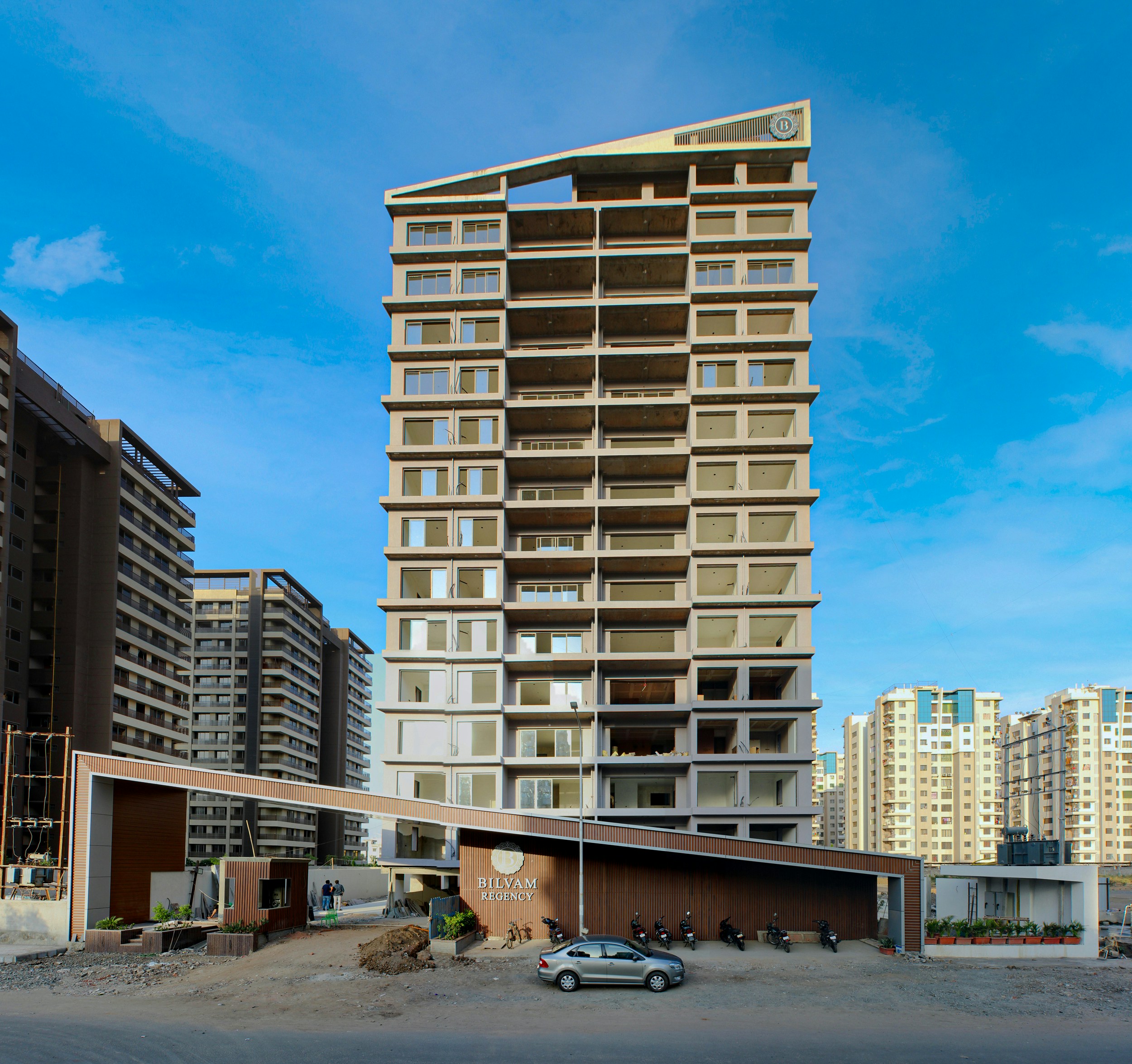
What is Super Built-Up Area?
Super built-up area (often written as SBA) is the total saleable area that includes the apartment’s built-up area plus a proportionate share of common areas in the building or complex. It is a marketing and pricing metric widely used by developers in India to quote the total area on which the per sq ft price is applied.
Key area terms explained
- Carpet area: The net usable floor area within the apartment’s walls. As defined under India’s Real Estate (Regulation and Development) Act, 2016 (RERA), carpet area excludes external walls, balconies, verandahs, open terraces, and service shafts, but includes internal partition walls. See the official RERA Act, 2016 (Section 2(k)).
- Built-up area: Carpet area plus the thickness of internal and external walls, and typically includes private balconies or terraces attached to the unit.
- Super built-up area (SBA): Built-up area plus a proportionate share of common areas such as lobbies, lift shafts, staircases, corridors, clubhouse, and other shared amenities.
Common working formula (industry practice)
- Built-up area ≈ Carpet area + wall thickness + private balconies/terraces
- Super built-up area ≈ Built-up area + proportionate share of common areas
Because the size and amenities of a project vary, the “loading” (the percentage added to approximate the share of common areas) also varies by project and city. Always ask the developer for a written breakdown of carpet, built-up, super built-up, and the loading percentage.
Worked Example
Suppose a flat has:
- Carpet area: 800 sq ft
- Wall thickness + private balcony: 160 sq ft
- Built-up area: 960 sq ft (800 + 160)
- Proportionate common area (loading): 240 sq ft
- Super built-up area: 1,200 sq ft (960 + 240)
If the price quoted is Rs 7,000 per sq ft on super built-up area, the base price would be 1,200 × 7,000 = Rs 84,00,000. However, your usable (carpet) area is 800 sq ft. The effective price per sq ft on carpet area becomes 84,00,000 ÷ 800 = Rs 10,500 per sq ft. This is why comparing prices on carpet area is the fairest way to evaluate options.
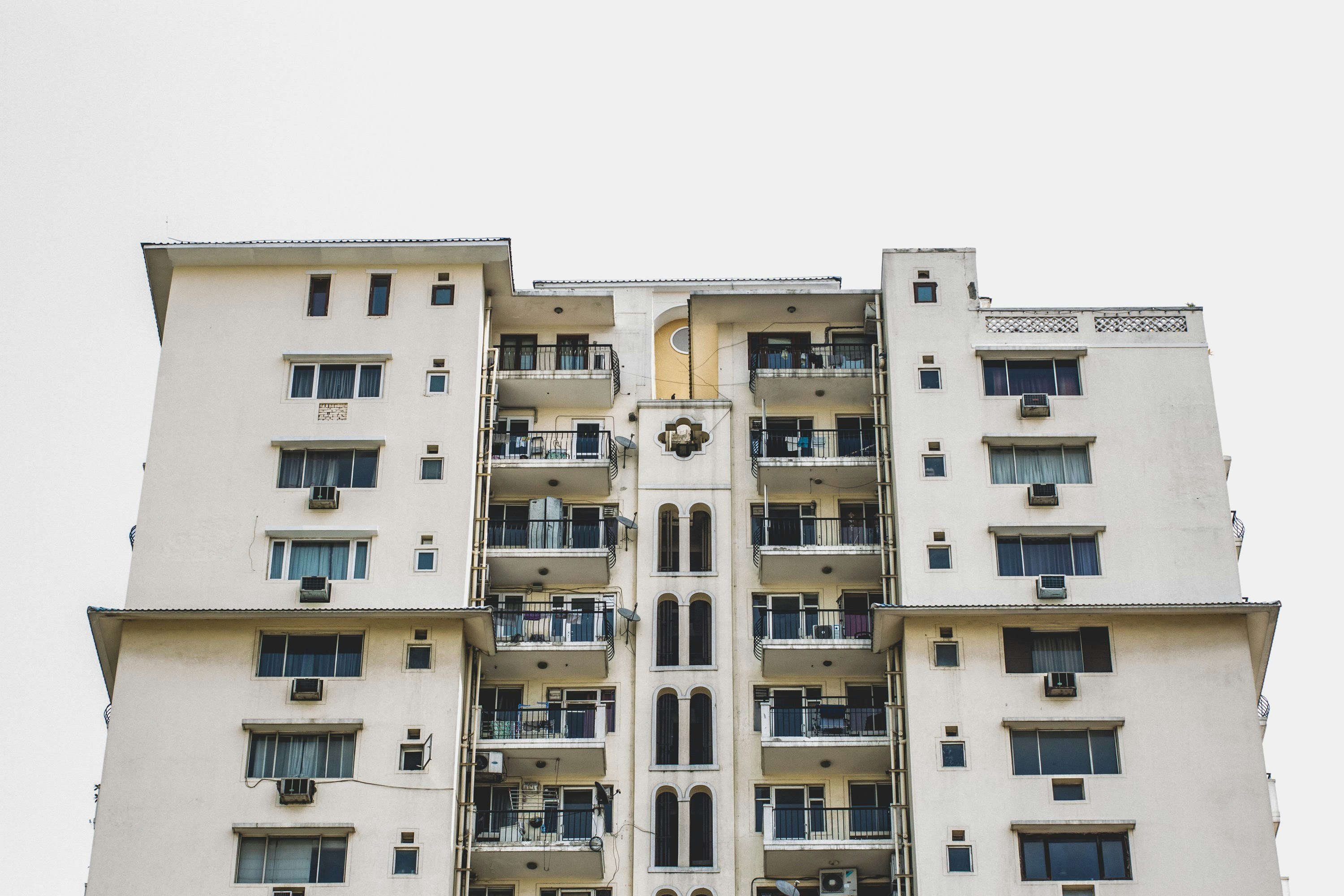
Why It Matters for Homebuyers
- Transparent comparisons: Two projects with the same price per sq ft on super built-up area can have very different carpet areas and amenities. Always normalize to carpet area.
- Budget accuracy: Stamp duty and registration are often calculated on the agreement value; understanding the area basis helps you forecast total acquisition cost accurately.
- Amenity trade-offs: Larger common areas can improve lifestyle but increase loading. Decide how much you value clubhouses, large lobbies, or extensive landscaping versus a larger in-unit carpet area.
RERA and area disclosure
RERA brought standardization to area terminology by legally defining carpet area and mandating disclosures to reduce ambiguity for homebuyers. While developers may still advertise super built-up area for marketing, sale agreements registered under RERA must clearly state the carpet area. Review the statutory definition in the RERA Act, 2016 and an accessible overview from PRS Legislative Research here.
How to Compare Homes Fairly
- Ask for the breakdown in writing. Get a floor plan and a sheet that lists carpet, built-up, and super built-up areas, plus the loading percentage.
- Convert prices to carpet-area terms. Calculate effective price per sq ft on carpet area to compare projects apples-to-apples.
- Check what’s included as common area. Clarify whether clubhouses, rooftop decks, or surface parking are part of loading, and whether you will pay maintenance on those spaces.
- Verify on the RERA portal. Look up the project’s registration to cross-check declared carpet area and approved floor plans before booking.
- Align with your lifestyle needs. If you prefer more in-home space, prioritize higher carpet area and lower loading; if you value amenities, accept a reasonable loading but ensure quality.
Super Built-Up vs Built-Up vs Carpet: Quick Recap
- Carpet area = net usable inside space, as per RERA’s legal definition.
- Built-up area ≈ carpet area + wall thickness + private balconies/terraces.
- Super built-up area ≈ built-up area + share of common areas (loading varies by project).
Conclusion
Understanding what is super built-up area helps you decode how a home is priced—and what you actually get. Under RERA, carpet area is the standardized, legally defined measure of usable space; use it to compare offers and negotiate with confidence. Always obtain a written breakdown of area components, verify details on the project’s RERA registration, and convert prices to carpet-area terms before you decide.
FAQs
Is super built-up area legal under RERA?
Super built-up area can be used in marketing, but RERA requires that sale agreements clearly disclose the carpet area, which is the legally defined usable space. Always rely on carpet area for comparisons and contractual terms.
How do I convert super built-up area to carpet area?
Ask the developer for the loading percentage and area breakup. As a rough guide, Carpet area ≈ Super built-up area × (1 − loading%). For accuracy, use the exact breakup shared in writing.
What counts as common area in super built-up calculations?
Typical common areas include lift lobbies, staircases, corridors, entrance lobbies, mechanical and electrical rooms, and shared amenities like clubhouses. The share you pay for is proportionate to your unit’s size.
Why does the per sq ft price look cheaper on super built-up area?
Because the denominator (SBA) is larger than the usable carpet area, the quoted per sq ft rate appears lower. Convert the total price to a carpet-area basis to reveal the true effective rate you will pay for livable space.
How can I verify the carpet area before buying?
Review the RERA registration details, sanctioned floor plans, and the agreement for sale. If needed, consult an architect to measure the plan and confirm that the stated carpet area matches the drawings.