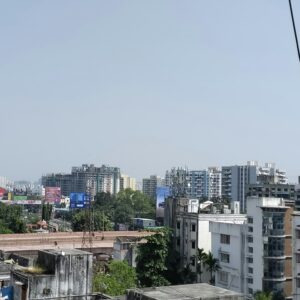
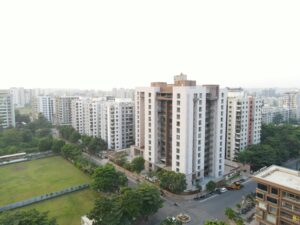
The upcoming Union Budget for 2026-27 is poised to be a landmark event for India’s economic landscape, with a strategic focus on distributed urbanisation that promises to redefine the contours of the real estate market. As India marches towards becoming a $5 trillion economy, the government’s vision extends beyond the saturated Tier-1 metros, aiming to unlock the immense potential of Tier-2 and Tier-3 cities. This forward-looking budget is expected to catalyse a new wave of growth, transforming smaller urban centres into vibrant economic hubs.
Analysts predict the budget will allocate significant resources to build on the foundation of existing schemes like the Smart Cities Mission and AMRUT. The core objective is to create a more balanced urban growth model, ensuring that economic opportunities are widespread and accessible. This ambitious plan will not only decongest major metropolitan areas but also spur holistic development across the nation, directly impacting the housing, retail, and hospitality sectors in emerging cities.
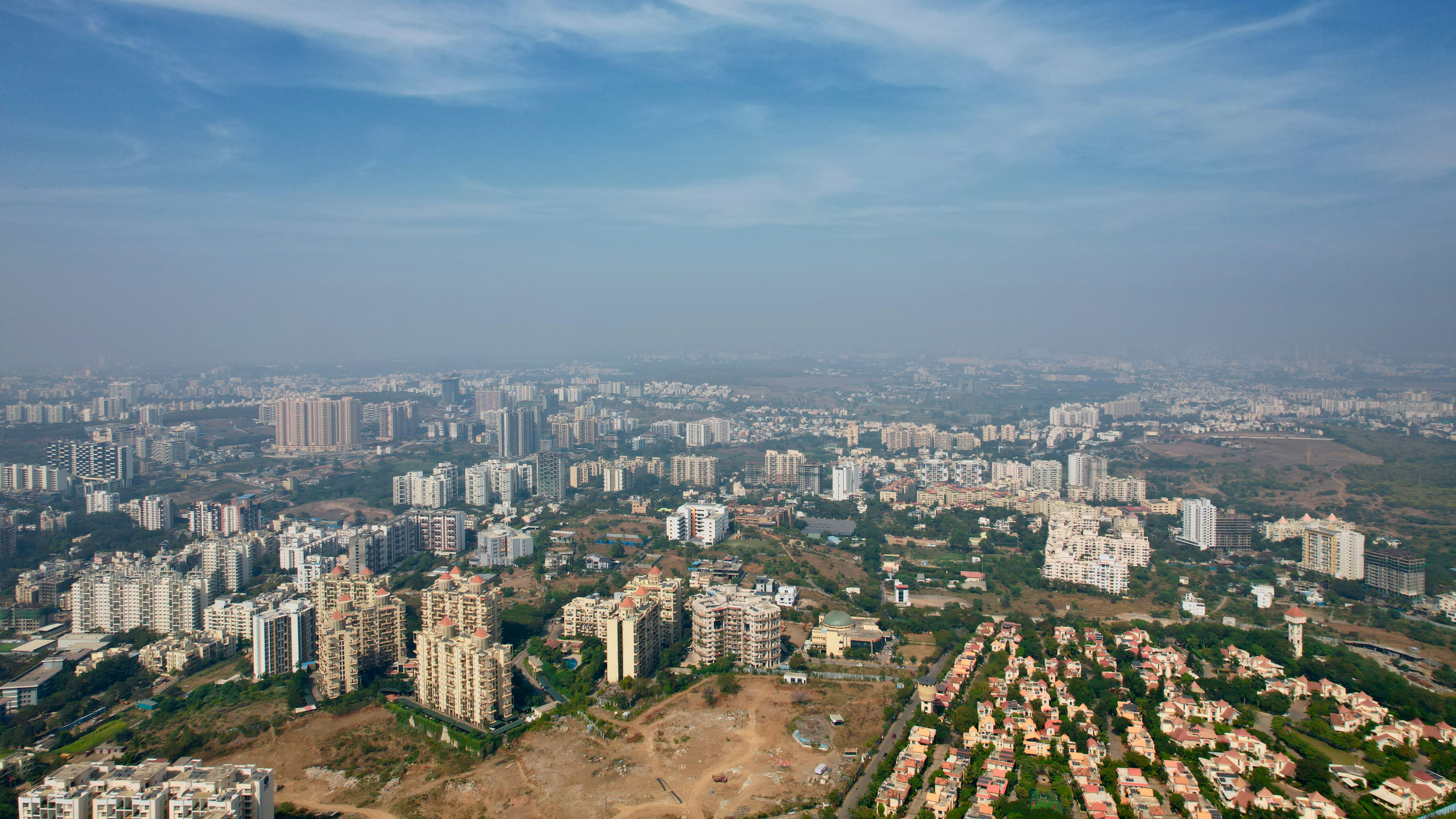
A Strategic Shift: Empowering Tier-2 and Tier-3 Cities
For decades, India’s growth story has been dominated by a handful of megacities. However, the next phase of urban development revolves around fostering regional economic centres. The Union Budget 2026-27 is anticipated to formalise this shift with targeted policies and financial incentives. The government’s strategy is based on compelling data: a NITI Aayog report highlights that smaller cities are set to contribute significantly to the national GDP over the next decade.
By promoting these cities as attractive investment destinations, the budget aims to create a domino effect. Improved infrastructure will attract businesses, which in turn will generate employment, fuelling demand for housing and commercial real estate. This strategic decentralisation is crucial for sustainable and inclusive growth, preventing the urban sprawl and infrastructure strain seen in larger metros.
Driving Growth Through Infrastructure and Connectivity
A key pillar of the budget’s urbanisation agenda is a massive infrastructure overhaul. An anticipated allocation of at least ₹5,000 crore will be directed specifically towards upgrading urban infrastructure in these emerging centres. The funds will be utilised for a variety of projects, including:
- Improved Road and Rail Networks: Enhancing connectivity between smaller cities and major economic corridors is a top priority.
- Modernised Public Transport: Developing efficient and sustainable public transit systems to improve mobility within cities.
- Utility Upgrades: Ensuring reliable access to water, electricity, and high-speed internet, which are essential for attracting residents and businesses.
- Social Infrastructure: Investing in quality-of-life amenities like parks, healthcare facilities, and educational institutions.
This infrastructure-led development model is a proven catalyst for real estate appreciation. As connectivity and livability improve, property values in these areas are expected to see a significant and sustained increase.
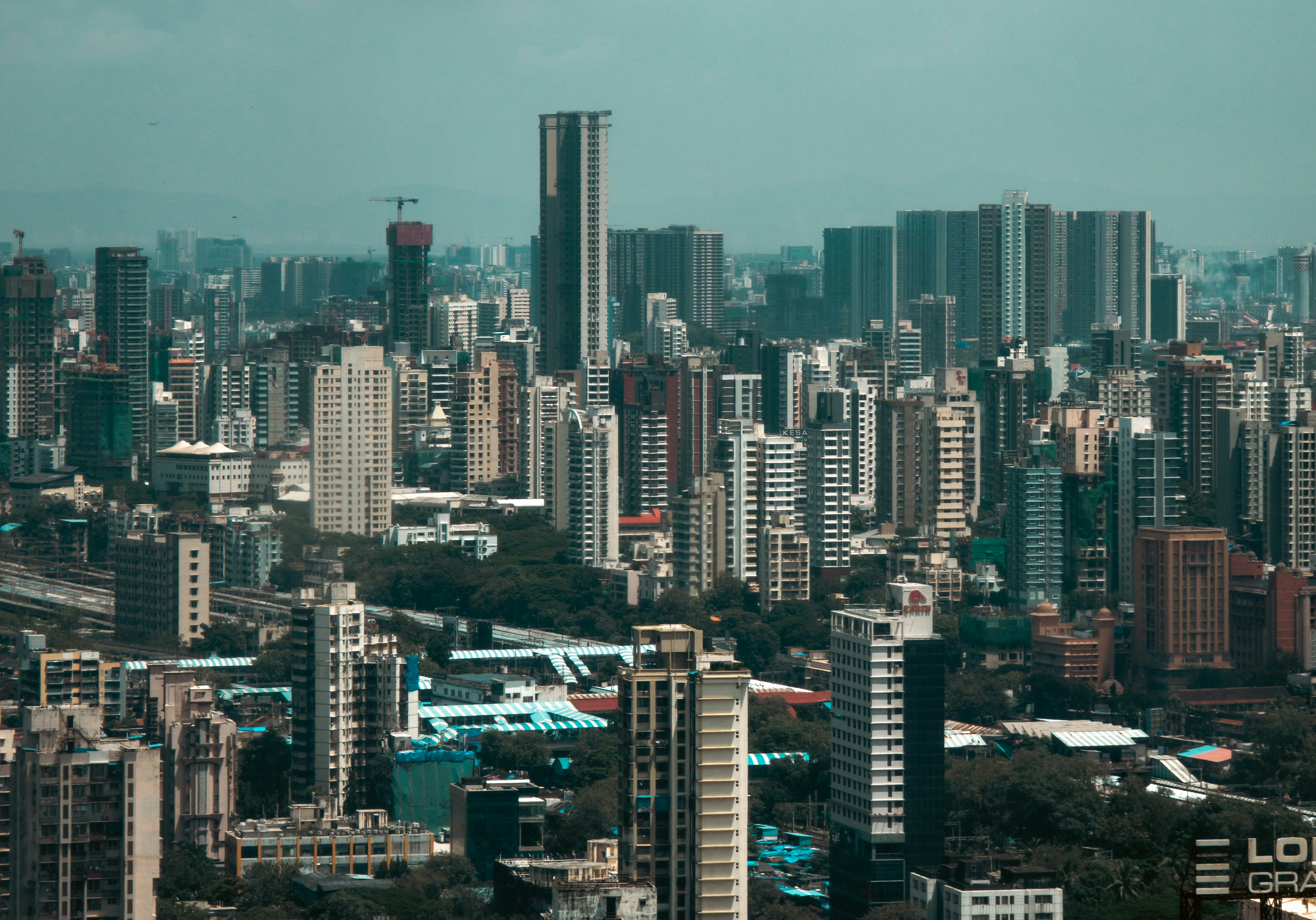
The Ripple Effect on India’s Real Estate Sector
The proposed budgetary measures will have a profound and multifaceted impact across the entire real estate spectrum. Developers and investors who can align their strategies with this new urban vision stand to gain immensely.
1. Residential Housing Boom
The most immediate and visible impact will be on the residential sector. As economic activity shifts to Tier-2 and Tier-3 cities, the demand for housing will surge. This includes everything from affordable housing projects, likely supported by an extension of the Pradhan Mantri Awas Yojana (PMAY), to mid-range and premium developments catering to the new workforce. The focus on “walk to work” concepts and integrated townships will likely gain more traction.
2. The Rise of New Retail and Commercial Hubs
A growing residential population with increasing disposable income naturally creates a fertile ground for retail and commercial development. The budget’s focus on smaller cities will encourage the establishment of shopping malls, high-street retail spaces, and modern office complexes. This trend is already visible, with major brands and commercial real estate players expanding their footprint beyond the metros, a fact supported by reports from leading real estate consultants like Knight Frank India.
3. A Boost for the Hospitality Sector
Increased business travel and tourism are natural byproducts of economic growth. As new business hubs emerge, so will the demand for hotels, serviced apartments, and convention centres. The budget’s emphasis on connectivity and infrastructure will make these cities more accessible and attractive, providing a significant boost to the hospitality industry and creating new investment opportunities.
Navigating the Path Forward: Opportunities and Challenges
While the vision presented by the Union Budget 2026 is promising, its successful execution will require seamless collaboration between the central government, state bodies, and private sector stakeholders. Challenges such as land acquisition, streamlined regulatory approvals, and ensuring project execution timelines are met will need to be addressed proactively.
However, the direction is clear. The government is laying the groundwork for a more decentralised and resilient urban India. For homebuyers, it signals the emergence of new, affordable, and high-quality living destinations. For real estate developers and investors, it opens up a new frontier of growth opportunities beyond the traditional markets.
Conclusion: A New Chapter for Indian Real Estate
The Union Budget 2026-27 is set to be more than just a financial statement; it’s a strategic roadmap for India’s next phase of urban evolution. By channelling investments into Tier-2 and Tier-3 cities, the government is not just building infrastructure but also fostering new engines of economic growth. This visionary approach will unlock immense value, reshape the real estate landscape, and create a more prosperous and balanced India for generations to come. The future of Indian real estate is not just in its sprawling metros but in the heart of its emerging cities.