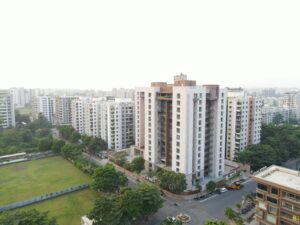
The real estate landscape in India’s Tier II cities is painting a fascinating picture of growth and maturity. In a surprising turn of events, the July-September 2024 quarter witnessed housing sales value climb by 4% year-on-year to reach a staggering Rs 37,409 crore. This notable increase comes despite a 4% dip in the total number of units sold during the same period, according to recent industry reports. This paradox signals a significant shift in the market, highlighting a trend towards higher-value properties and robust economic underpinnings.
This trend underscores the evolving nature of India’s non-metro urban centers. Once considered sleepy alternatives to the bustling metropolises, these cities are now becoming powerful engines of economic growth and magnets for real estate investment. Let’s delve deeper into the factors driving this value appreciation and what it means for the future of housing in India.
The Value-Over-Volume Phenomenon
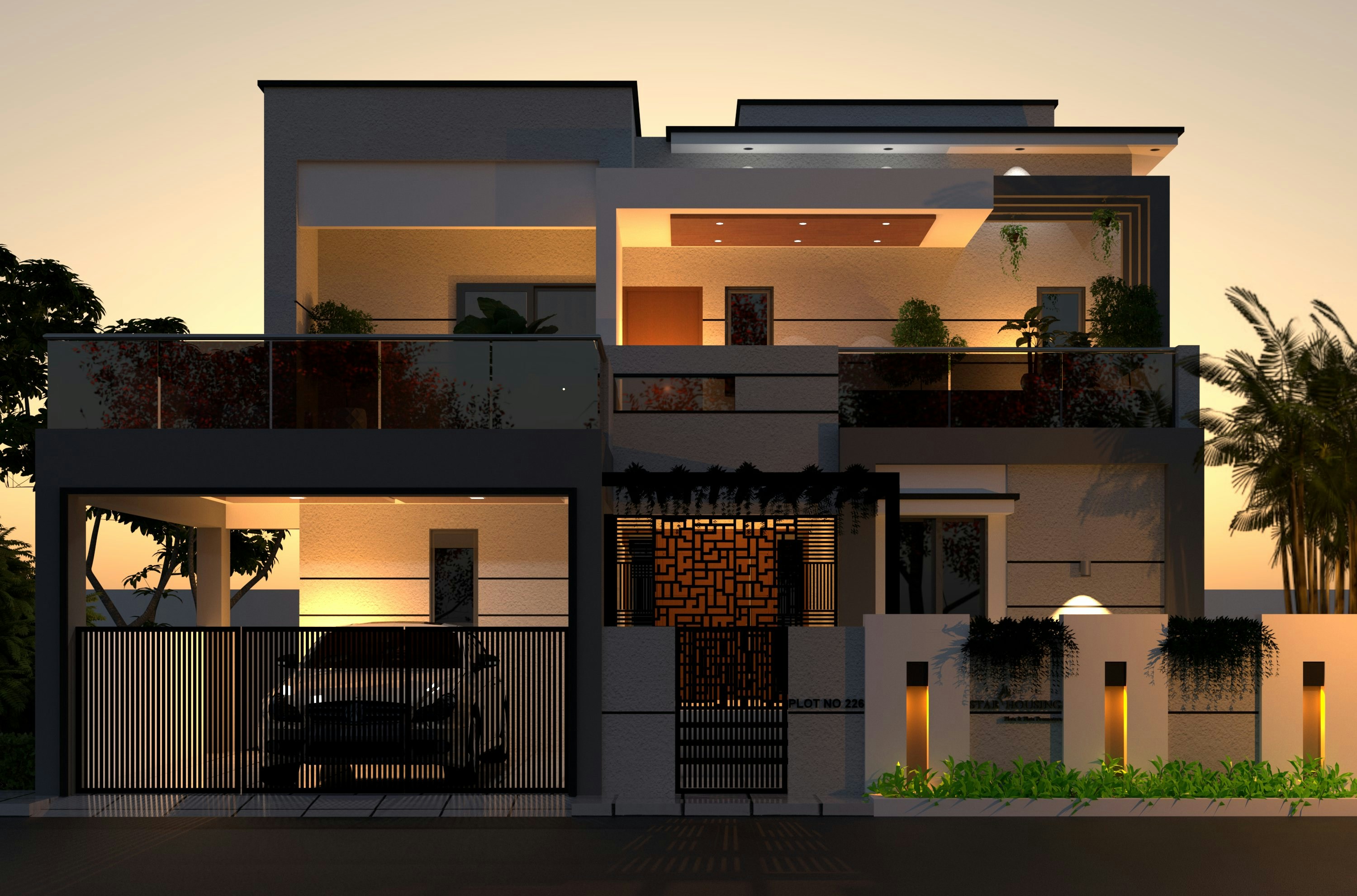
The core of this market shift lies in the numbers. While sales volume across the top 15 Tier II cities decreased slightly, the overall transaction value went up. This indicates a clear trend: the average price of homes being sold is on the rise. Several factors contribute to this phenomenon:
- Shift in Buyer Preference: Modern homebuyers in Tier II cities are increasingly seeking larger homes with better amenities. The post-pandemic demand for more space, home offices, and a higher quality of life is pushing buyers towards premium properties.
- Increased Property Prices: Driven by strong demand and rising input costs for construction, developers have steadily increased property prices. This appreciation in asset value directly contributes to a higher total sales value.
- Developer Focus on Premium Segments: Sensing the shift in consumer demand, many real estate developers are launching projects in the mid-to-high-end segments, which naturally carry a higher price tag per unit.
Key Drivers Fueling the Tier II Real Estate Engine
The resilience and growth of the Tier II housing market are not accidental. They are built on a solid foundation of economic and infrastructural development. These cities are no longer just “the next best thing” but are becoming primary choices for living and working.
1. Economic Expansion and Job Creation
Tier II cities like Jaipur, Lucknow, Coimbatore, and Chandigarh are witnessing a surge in economic activity. The IT and ITeS sectors, startups, and manufacturing industries are expanding their operations beyond the Tier I metros to leverage lower operational costs and a skilled local workforce. This job creation acts as a primary catalyst for housing demand. As disposable incomes rise, so does the aspiration for homeownership.
2. Unprecedented Infrastructure Growth
The Indian government’s focus on infrastructure has been a game-changer. Initiatives like the Smart Cities Mission and the development of national highways, expressways, and new airports have drastically improved connectivity and livability. According to a report by the India Brand Equity Foundation (IBEF), the government’s National Infrastructure Pipeline (NIP) is a massive booster for this transformation, making these cities more attractive for both businesses and residents.
3. Affordability and Quality of Life
While property prices are rising, Tier II cities still offer significant affordability compared to their Tier I counterparts like Mumbai and Delhi. This relative affordability, combined with a better quality of life—less pollution, less traffic congestion, and a more relaxed pace—makes them an irresistible proposition for many families and professionals.

Decoding the Dip in Sales Volume
While the rise in sales value is positive, the 4% dip in sales volume warrants a closer look. This slowdown isn’t necessarily a red flag but rather a sign of a market in transition.
- Rising Interest Rates: A tighter monetary policy by the Reserve Bank of India to control inflation has led to higher home loan interest rates. This can make borrowing more expensive, causing some potential buyers, especially in the budget-sensitive segment, to adopt a wait-and-watch approach.
- Supply-Side Caution: Some reports, like one from Financial Express, note a slowdown in new project launches. Developers may be acting cautiously, focusing on completing existing projects and clearing their inventory before launching new ones, thereby temporarily limiting the available supply for sale.
- Price Appreciation: The very factor driving up the sales value—rising property prices—can also act as a deterrent for some buyers, momentarily reducing the sales volume.
Spotlight on High-Performing Cities
The growth story is particularly strong in several key cities. Cities like Lucknow have benefited immensely from infrastructure projects like the Purvanchal Expressway. Jaipur, with its robust tourism and manufacturing sectors, continues to attract investment. Down south, Coimbatore and Visakhapatnam are emerging as major industrial and IT hubs, fueling a consistent demand for quality housing.
The Future Outlook: A Market Maturing
The trend of rising sales value in the face of stable or slightly lower volumes points towards a maturing real estate market in Tier II cities. This is no longer a purely volume-driven market but one where value, quality, and buyer aspirations play a crucial role. The outlook remains strong, with experts predicting sustained demand driven by continued economic growth and urbanization.
For investors and homebuyers, India’s Tier II cities represent a golden opportunity. They offer the potential for significant capital appreciation combined with an improved quality of life. As these cities continue on their growth trajectory, their real estate markets are set to become even more dynamic and rewarding.