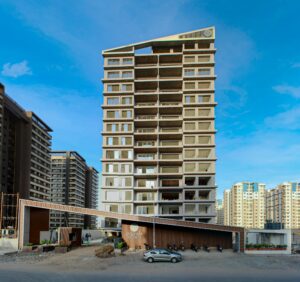
The definition of luxury has evolved. While premium materials and prime locations remain essential, a new element has become the gold standard in high-end real estate: intelligent technology. Today’s luxury homes are not just built with the finest stone and timber; they are engineered with sophisticated smart systems that offer unparalleled convenience, security, and efficiency. This fusion of opulence and automation is redefining modern living, making smart technology an indispensable feature for discerning buyers.
From automated lighting that syncs with your daily rhythm to security systems that you can monitor from halfway across the world, smart homes are no longer a futuristic concept—they are the present reality of luxury real estate. This article explores how smart home integration is shaping the high-end property market, the key features buyers are demanding, and the significant return on investment this technology provides.
What Truly Defines a Smart Luxury Home?
A smart luxury home is far more than a collection of voice-activated speakers and connected lightbulbs. It is a fully integrated ecosystem where various systems—climate, lighting, security, entertainment, and even appliances—communicate with each other to create a seamless living experience. This integration is powered by the Internet of Things (IoT), where devices are connected to a central hub, allowing for centralized control and intelligent automation.
In these properties, technology works silently in the background to anticipate and cater to the residents’ needs. Imagine shades that lower automatically to block the afternoon sun, a security system that uses biometric data for entry, or a home that prepares for your arrival by adjusting the temperature and lighting to your exact preferences. This level of intuitive control and personalization is the hallmark of a truly smart luxury home.

Key Smart Features Transforming Luxury Properties
The demand for specific smart features has skyrocketed in the luxury sector. These technologies offer tangible benefits that enhance comfort, security, and the overall quality of life.
- Advanced Security and Access Control: High-net-worth individuals prioritize security above all else. Smart luxury homes feature integrated surveillance systems with AI-powered motion detection, biometric scanners for keyless entry, smart locks that can grant temporary access to guests, and 24/7 remote monitoring. These systems provide homeowners with complete peace of mind, whether they are at home or away. For more on securing these systems, see guidance from experts at Consumer Reports.
- Intelligent Climate and Lighting Systems: Automated climate control learns a homeowner’s preferences and adjusts the temperature for optimal comfort and energy efficiency. Similarly, smart lighting systems, like circadian rhythm lighting, can mimic natural daylight patterns to improve well-being. These systems can be controlled via a mobile app or pre-programmed schedules, significantly reducing energy consumption.
- Integrated Entertainment Systems: Luxury homes are designed for entertainment, and smart technology elevates this experience. Features include dedicated home cinemas with 4K projectors, immersive surround sound, and ambient lighting that adjusts automatically. Multi-room audio systems allow music to follow you from room to room, all controlled from a single interface.
- Smart Kitchens and Appliances: The modern luxury kitchen is a hub of high-tech convenience. Smart refrigerators can track inventory and suggest recipes, ovens can be preheated remotely, and connected coffee machines can have a fresh brew ready when you wake up. These features streamline daily routines and add a touch of effortless sophistication.
The Booming Market for Smart and Luxurious Real Estate
The global appetite for smart homes is growing at an explosive rate, with the luxury segment leading the charge. According to a report by Grand View Research, the global smart home market was valued at over $101 billion in 2023 and is projected to expand at a compound annual growth rate (CAGR) of 25.3% from 2024 to 2030. This growth reflects a fundamental shift in buyer expectations, where technological integration is now considered a standard feature rather than an optional upgrade.
Properties equipped with comprehensive smart systems often command a higher price and sell faster than their non-automated counterparts. This premium is justified by the tangible benefits they offer, including enhanced lifestyle, improved security, and long-term energy savings.
The Tangible Benefits Driving Demand
Why are high-end buyers so insistent on smart home technology? The reasons go beyond simple novelty and touch on core aspects of modern luxury living.
- Unparalleled Convenience: The ability to manage your entire home environment—from lighting and security to entertainment and climate—from a smartphone or a simple voice command offers an unparalleled level of convenience.
- Superior Energy Efficiency: Smart homes are not just luxurious; they are also responsible. Automated systems optimize the use of electricity for lighting and climate control, leading to significant reductions in utility bills. The U.S. Department of Energy highlights that home automation gives you precise control over your energy use, helping create a more sustainable footprint.
- Enhanced Security and Control: For property owners who travel frequently or own multiple homes, the ability to remotely monitor and manage their property is invaluable. Smart security provides real-time alerts and remote access, ensuring the home is always secure.
- Future-Proofing and Property Value: Investing in integrated smart technology is a way to future-proof a property. As technology continues to advance, homes with a solid foundation of smart infrastructure will remain relevant and hold their value better over time.
Conclusion: The New Era of Intelligent Luxury
The convergence of luxury real estate and smart technology has created a new standard for high-end living. Today’s luxury home is a masterful blend of sophisticated design, premium materials, and intelligent automation that works in harmony to provide an experience of effortless comfort and security. As technology continues to evolve, the homes of the future will become even more personalized, predictive, and integrated into our daily lives. For now, one thing is certain: in the world of luxury real estate, the smartest home is now the most desirable home.
Frequently Asked Questions (FAQs)
1. What is the average cost of turning a luxury home into a smart home?
The cost varies dramatically based on the level of integration. A comprehensive, professionally installed system for a luxury home can range from $20,000 to over $150,000. This includes a central hub, lighting control, automated shades, security systems, climate control, and entertainment integration.
2. Can older luxury properties be retrofitted with smart technology?
Absolutely. Many smart home solutions, particularly wireless systems, are designed for retrofitting. While integrating technology into an older home can present unique challenges, professional installers can seamlessly add smart features like lighting, security, and climate control without significant structural changes.
3. How secure are smart home systems from cyber threats?
Security is a major consideration. Reputable professionally installed systems use robust encryption and secure networking protocols. It is crucial for homeowners to use strong, unique passwords, enable two-factor authentication, and keep software updated. Working with established brands and professional installers minimizes the risk of cyber threats.
4. Do smart homes actually increase property resale value?
Yes, studies and market trends indicate that homes with integrated smart technology have a higher perceived value and can sell for more than comparable non-smart homes. Key features like enhanced security, energy efficiency, and modern convenience are strong selling points for today’s tech-savvy buyers.
5. What’s the difference between a DIY smart home setup and a professionally integrated luxury system?
A DIY setup typically involves standalone devices (like a smart speaker or a few smart plugs) that operate independently. A professionally integrated luxury system connects all devices to a central control unit (like Crestron or Control4). This allows for seamless automation where devices work together—for example, a “good night” scene that locks the doors, turns off the lights, and adjusts the thermostat with a single command.