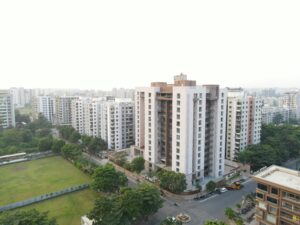
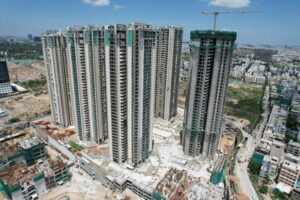
The Indian dream of owning a home is undergoing a remarkable transformation. No longer just about securing a roof over one’s head, the concept of homeownership is now deeply intertwined with lifestyle, status, and long-term value. A recent analysis of the Indian residential market reveals a seismic shift: premium homes, priced at Rs 1 crore and above, are not just selling well—they are dominating the market, while the once-thriving affordable housing segment is experiencing a significant contraction. This trend signals a maturing market and a change in the very definition of a “dream home” for a growing number of Indians.
A Paradigm Shift in Indian Real Estate
According to comprehensive industry reports, including Knight Frank’s “India Real Estate” analysis, the residential sector has demonstrated incredible resilience and growth. While overall sales volume saw minor fluctuations, the real story lies in the changing composition of these sales. The data unequivocally points to a “premiumization” of the market. In the last year, the share of homes costing Rs 1 crore or more surged to account for a substantial portion of total sales across India’s top eight property markets, a figure that has more than doubled in recent years. This isn’t a fleeting trend; it’s a structural change reshaping developer strategies and buyer aspirations.

The Unprecedented Surge in Premium Housing
The robust demand for high-value properties is the primary engine driving today’s real estate market. Cities like Mumbai, Delhi-NCR, and Bengaluru have become epicenters of this boom. For instance, the Mumbai Metropolitan Region (MMR) consistently records the highest number of high-ticket transactions. This surge is a direct reflection of India’s economic trajectory. A growing number of households now possess higher disposable incomes and are willing to invest in properties that offer superior amenities, larger living spaces, and a better quality of life. The post-pandemic world has cemented the importance of the home as a central hub for both personal and professional life, further fueling the demand for bigger, better-equipped residences.
What’s Fueling the Demand for High-Value Properties?
Several converging factors are responsible for this pronounced shift towards the premium segment. Understanding them is key to understanding the modern Indian homebuyer.
- Strong Economic Growth: India remains one of the fastest-growing major economies. This sustained growth, as noted by institutions like the World Bank, translates into wealth creation and increased purchasing power, particularly among the upper-middle and high-income segments of the population.
- Evolving Lifestyle Aspirations: The modern homebuyer is looking for more than just four walls. They seek an integrated lifestyle that includes amenities like swimming pools, state-of-the-art gyms, clubhouses, dedicated green spaces, and robust security systems. These features, once considered luxuries, are now expectations in the premium category.
- Quest for More Space: The shift to remote and hybrid work models has put a premium on space. Homebuyers are actively seeking larger apartments or villas with provisions for a home office, study, or recreational area, driving them towards higher-value properties that can accommodate these needs.
- Favorable Market Dynamics: While interest rates have risen from their historic lows, they remain manageable for affluent buyers. Furthermore, the credibility of established developers launching well-planned, high-quality projects gives buyers the confidence to make significant investments.
The Shrinking Footprint of Affordable Housing
In stark contrast to the boom at the top end of the market, the affordable housing segment (typically defined as properties under Rs 50 lakh) has seen its share of total sales decline dramatically. According to a report referenced by major news outlets, this segment’s contribution to sales has fallen sharply over the last five years. This decline is a result of pressures from both the supply and demand sides.
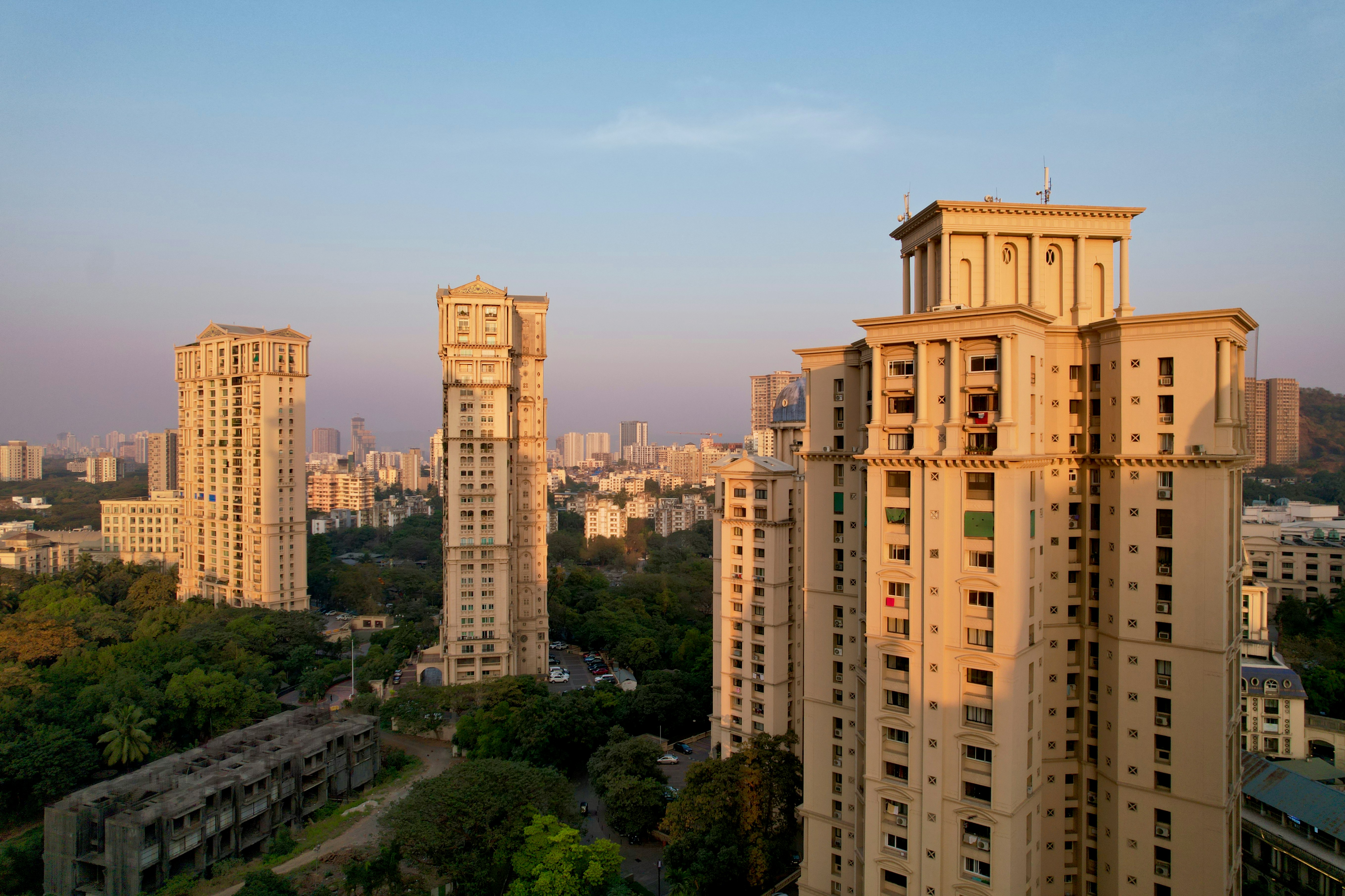
For developers, surging costs of land, labor, and essential construction materials like cement and steel have made building low-cost homes financially unviable in many prime urban areas. For buyers in this segment, inflationary pressures and the rising cost of living have eroded their purchasing power, making it harder to secure home loans and afford EMIs. This has created a demand-supply mismatch, pushing both developers and affluent buyers towards the more resilient premium market.
Future Outlook: Consolidation and Disciplined Growth
Looking ahead, experts predict a phase of market consolidation. The frantic pace of sales is expected to stabilize at a new, higher baseline. This is considered a sign of a healthy, maturing market rather than a slowdown. Key characteristics of the market moving forward will include:
- Stable Absorption: Properties will continue to be sold at a steady rate, indicating genuine, end-user-driven demand.
- Disciplined Supply: Developers are now more data-driven and cautious. They are focusing on launching projects in locations with proven demand and are aligning their products with the prevailing trend of premiumization. This disciplined approach helps prevent a glut of unsold inventory and reduces market risk.
Conclusion: The New Face of Indian Homeownership
The Indian real estate market is standing at a fascinating crossroads. The clear pivot towards premium properties signals a deep-seated change in consumer behavior and economic realities. While the surge in high-value homes is a positive indicator of wealth and economic confidence, the challenges facing the affordable housing segment cannot be ignored. For prospective homebuyers, this new landscape means a wider array of choices in the premium segment but greater difficulty in finding quality, budget-friendly options. For developers and policymakers, the path forward involves navigating the profitability of premium projects while finding innovative solutions to keep the dream of homeownership alive and accessible for every segment of the Indian population.