Understanding residential parking rules in Delhi is essential for apartment residents, RWAs, landlords, and tenants. With growing vehicle ownership and limited curb space, Delhi’s framework now prioritizes demand-based pricing, organized on-street management, and safe access for pedestrians and emergency services. This guide distills the core Delhi parking regulations and the residential parking policy Delhi residents most often ask about—so you can stay compliant and avoid disputes.
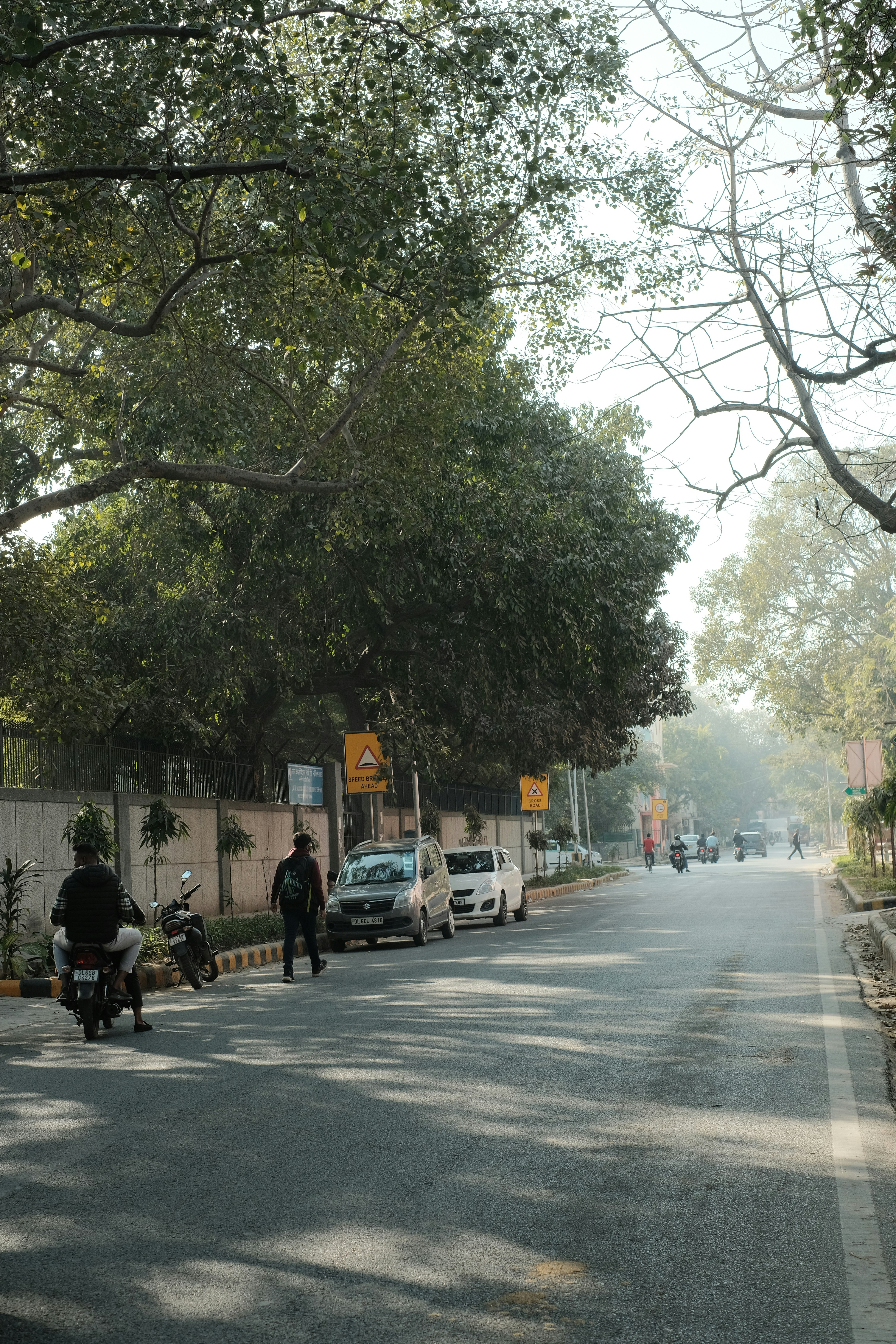
What governs residential parking in Delhi?
Delhi’s residential parking framework is shaped by a set of laws, rules, and local plans. The most relevant for homeowners, tenants, and RWAs include:
- Delhi’s Parking Management Plans (PMPs): Local authorities prepare PMPs to organize on-street and off-street parking, set fees, and issue resident/visitor permits in designated zones. RWAs often help implement these plans for neighborhood streets and markets.
- Unified Building Bye-Laws (UBBL) for Delhi, 2016: These define on-site parking norms for group housing and apartments, including minimum parking provisions within plots and basements, circulation standards, and fire tender access. Developers and associations must adhere to these structural and safety requirements.
- Motor Vehicles Act (as amended in 2019): The amendment strengthened enforcement against dangerous and obstructive parking and enabled higher penalties, towing, and clamping for violations. See the summary of the amendment via PRS India: Motor Vehicles (Amendment) Act, 2019.
- Delhi Transport Department and Traffic Police notifications: These operationalize enforcement, compounding (spot-fine) rates, towing, and wheel-clamping procedures. Refer to the Government of NCT of Delhi Transport Department for updates: transport.delhi.gov.in.
Core principles of Delhi parking regulations
While the details differ by ward or parking management area, residential parking policy Delhi authorities promote typically includes these pillars:
- Resident Permit Parking (RPP): Households in designated zones may receive permits for on-street parking near their residence. Permits do not confer ownership of the public curb; they authorize parking under set rules and timings.
- Demand-based pricing: On-street parking is chargeable where PMPs are active. Fees can vary by location and time to reduce congestion and improve turnover.
- Visitor and service vehicle access: RWAs and parking operators often issue short-duration passes for guests, delivery vehicles, and caregivers, keeping emergency access clear at all times.
- Pedestrian-first and safety: No parking on footpaths, at intersections, or in a way that blocks fire lanes, hospital access, school gates, or wheelchair ramps.
Parking rules for apartments in Delhi
The parking rules for apartments in Delhi blend building bye-laws with community agreements. Key points:
- On-site (within the housing society): Stilt, basement, or podium parking is governed by UBBL norms and approved building plans. RWAs typically allocate slots fairly and maintain clear access for fire tenders and ambulances.
- Sale of stilt/open parking: The Supreme Court has held that stilt/open parking areas in a housing project are part of the common area and not saleable as independent flats/garages (see Nahalchand Laloochand Pvt. Ltd. v. Panchali Coop. Housing Society Ltd., 2010). While the case arose under state-specific law, its principle is often relied upon in housing disputes. Always check your builder-buyer agreement and RERA orders for project-specific clarity.
- Visitor parking: Many societies must earmark visitor bays under sanctioned plans. RWAs can issue time-limited passes and levy reasonable charges per their by-laws and PMP provisions.
- EV-readiness: Newer projects and retrofits increasingly provide EV charging points in line with national and Delhi EV policies. Societies generally require prior approval for private charger installations and adherence to fire and electrical safety standards.
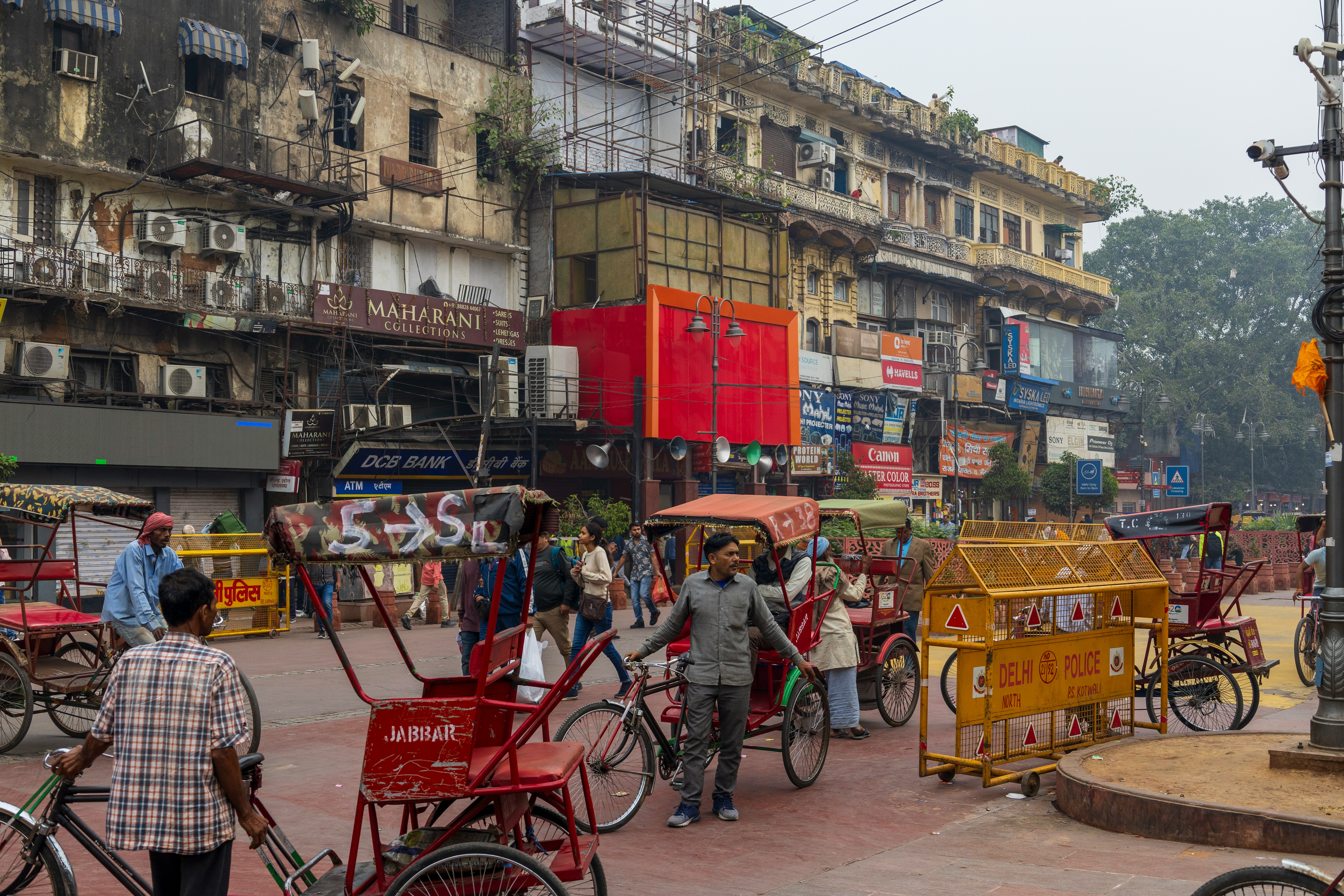
Where you cannot park in residential areas
Even with a permit, certain locations remain off-limits because they endanger safety or block public use. Common no-parking rules include:
- On footpaths, cycle tracks, or green verges.
- Within intersections, on pedestrian crossings, or too close to junctions where visibility is impaired.
- In front of gates/driveways, near fire hydrants, or blocking emergency access routes.
- On sharp bends, narrow bridges, or near bus stops and school entrances.
- Double-parking alongside a parked vehicle, or parking that obstructs traffic flow.
Wrongful parking can attract fines, wheel clamping, and towing. After the 2019 amendments to the Motor Vehicles Act, enforcement actions and penalties for unsafe or obstructive parking were strengthened nationwide. Local compounding rates and procedures are notified by Delhi authorities and can be updated periodically.
How RWAs and residents can stay compliant
- Check your area’s Parking Management Plan: Ask your RWA or the local civic body for applicable RPP zones, fee schedules, and guest pass rules.
- Follow your society’s by-laws: Slot allocation, swapping, and visitor parking should follow documented rules approved by the general body and aligned with sanctioned building plans.
- Maintain emergency access: Keep fire lanes, ramps, and driveways clear; mark no-parking at gates and near hydrants.
- Install EV chargers safely: Obtain written approval, use certified equipment, and follow fire department advisories.
- Resolve disputes transparently: Use minutes of meetings, public notices, and clear signage. Escalate complex matters to the local authority or, if needed, to RERA/consumer forums.
Enforcement and who to contact
On-street violations are enforceable by Delhi Traffic Police and civic agencies; inside society premises, RWAs and facility managers implement by-laws, provided they do not conflict with city or national rules. For official notifications and updates, visit the Government of NCT of Delhi’s Transport Department website: transport.delhi.gov.in. For a national-level overview of strengthened traffic and parking enforcement, see PRS India’s brief on the Motor Vehicles (Amendment) Act, 2019.
Conclusion: Know and follow residential parking rules in Delhi
As curb space tightens, compliance with residential parking rules in Delhi benefits everyone—residents, visitors, and emergency responders. Check your neighborhood’s PMP, follow your society’s by-laws, avoid no-parking zones, and keep documents handy for permits or slot allocation. With consistent adherence to Delhi parking regulations and cooperative RWA management, apartment communities can reduce conflict and keep streets safe and accessible.
FAQs
1) Do I need a permit to park on my residential street in Delhi?
In areas covered by a Parking Management Plan, on-street parking typically requires a resident permit or payment during specified hours. Check with your RWA or local civic agency for your zone’s rules.
2) Can my builder sell me a stilt or open parking space?
Courts have held that stilt/open areas in a project are generally part of the common area and not separately sellable. Review your agreement and society by-laws, and consider legal advice for project-specific situations.
3) What counts as illegal parking in a residential area?
Parking on footpaths, blocking gates, obstructing fire lanes, double-parking, or stopping near intersections and crossings typically violates rules and may lead to clamping or towing.
4) How are visitor and service vehicles managed?
RWAs commonly issue time-bound visitor passes and designate short-stay bays. In PMP areas, visitor parking may be priced to ensure turnover and access.
5) Where can I confirm current fines and towing rules?
Penalty amounts and towing procedures are notified by Delhi authorities and may change. Refer to the Transport Department’s website or Delhi Traffic Police notices for the latest updates.