The Indian real estate sector is on the cusp of a significant transformation. As the market navigates new economic realities and evolving consumer behaviours, 2026 is poised to be a watershed year. According to Praveen Sharma, CEO of REA India, the landscape will be reshaped by two powerful forces: the rise of Real Estate Investment Trusts (REITs) and the introduction of regulated fractional ownership. These innovations are set to democratize access to institutional-grade properties, bringing opportunities once reserved for the ultra-wealthy to the average retail investor.
This shift accompanies changing dynamics in residential and commercial segments, with hybrid work culture influencing housing demand and institutional capital flowing into new-age assets. Let’s explore the key predictions that will define the Indian real estate market in 2026.
A New Era for Retail Investors: REITs and Fractional Ownership
For decades, direct investment in high-value commercial real estate—like sprawling office parks or bustling shopping malls—has been beyond the reach of most Indians. However, the tide is turning. Praveen Sharma predicts that 2026 will be the year retail participation explodes, thanks to increasingly popular and regulated investment vehicles.
Real Estate Investment Trusts (REITs) have already made their mark. By allowing investors to buy units of a portfolio of income-generating properties, they function much like mutual funds for real estate. India has seen the successful launch of several REITs, and their market capitalization is steadily growing. According to a report by JLL India, the country an estimated 250 million sq ft of office space that is REIT-compliant, indicating massive growth potential.
The next frontier is Fractional Ownership. This model allows multiple investors to co-own a single high-value property. The key development here is regulation. The Securities and Exchange Board of India (SEBI) has introduced a regulatory framework for Small and Medium REITs (SM REITs), which will govern fractional ownership platforms. This crucial step provides a layer of security and transparency, encouraging wider participation. By 2026, these regulated platforms will allow investors to enter the commercial real estate market with ticket sizes as low as ₹10 lakh, diversifying their portfolios with assets that offer both rental income and capital appreciation.
The ‘Work from Home’ Effect: Rise of the 3BHK in the Mid-Segment
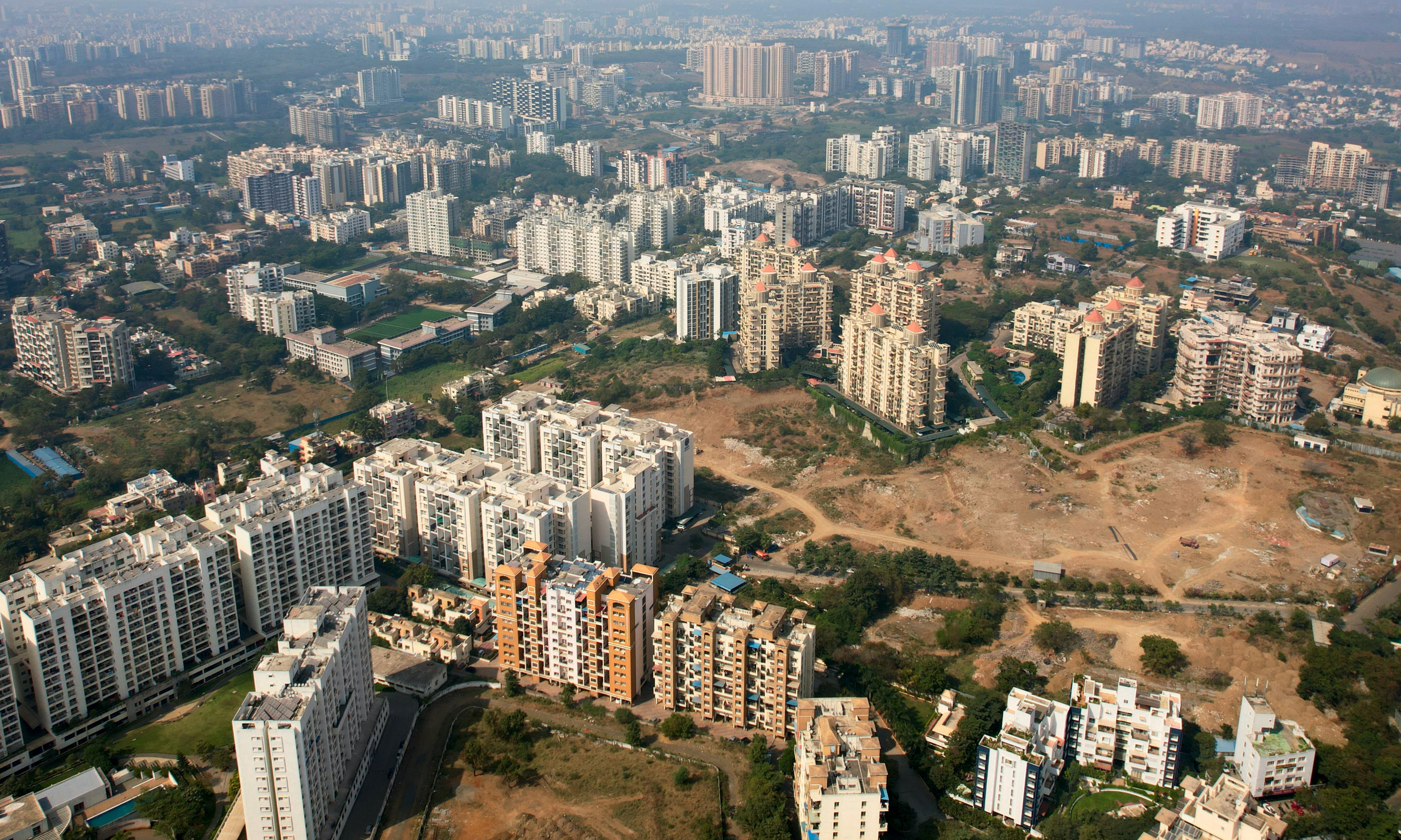
While 2025 may have been dominated by the premium and luxury housing market, 2026 is expected to see a surge in demand for mid-segment homes, particularly 3BHK configurations. The catalyst for this shift is the stickiness of hybrid work models. As more companies adopt a flexible work culture, the home is no longer just a place to live—it’s also an office, a classroom, and a recreational space.
This has fundamentally altered homebuyers’ priorities. The demand for an extra room that can function as a dedicated home office, a study for children, or a personal gym is skyrocketing. A recent ANAROCK Consumer Sentiment Survey highlighted that spacious 3BHKs are becoming the preferred choice for a growing number of families in major cities. They are seeking a balance of functionality, space, and affordability that sprawling luxury apartments or compact 2BHKs may not offer.
Developers are already responding to this trend, with many new projects in metropolitan peripheries and Tier-II cities focusing on well-designed, spacious 3BHK units in the mid-price bracket. This alignment of supply and demand is expected to be a major driver of the residential market in 2026.
Institutional Capital: Targeting Grade A Assets, Logistics, and Data Centers
Institutional investors, both foreign and domestic, are becoming increasingly sophisticated in their India strategy. Praveen Sharma notes that their focus will continue to be on high-quality, income-generating assets. In 2026, the bulk of this institutional capital is expected to flow into three key areas:
- Grade A Office Assets: Despite the conversation around remote work, the demand for high-quality office space remains robust. Large corporations continue to prioritize Grade A buildings that offer modern amenities, sustainability features (ESG compliance), and a healthy work environment to attract and retain talent. Key markets like Bengaluru, Hyderabad, and the National Capital Region (NCR) will remain top destinations for this capital.
- Logistics and Warehousing: Fueled by the e-commerce boom and a post-pandemic focus on resilient supply chains, the logistics sector is a powerhouse. Institutional investors are aggressively funding the development of modern warehousing parks, cold storage facilities, and last-mile delivery hubs across the country.
- Data Centers: As India’s digital economy expands, the demand for data storage is exploding. Data localization policies and the rollout of 5G have made data centers one of the most sought-after alternative real estate asset classes. Institutional investors are keen to fund these critical infrastructure projects, which promise stable, long-term returns.
The Unfolding Growth Story: Tier-II and Tier-III Cities Emerge
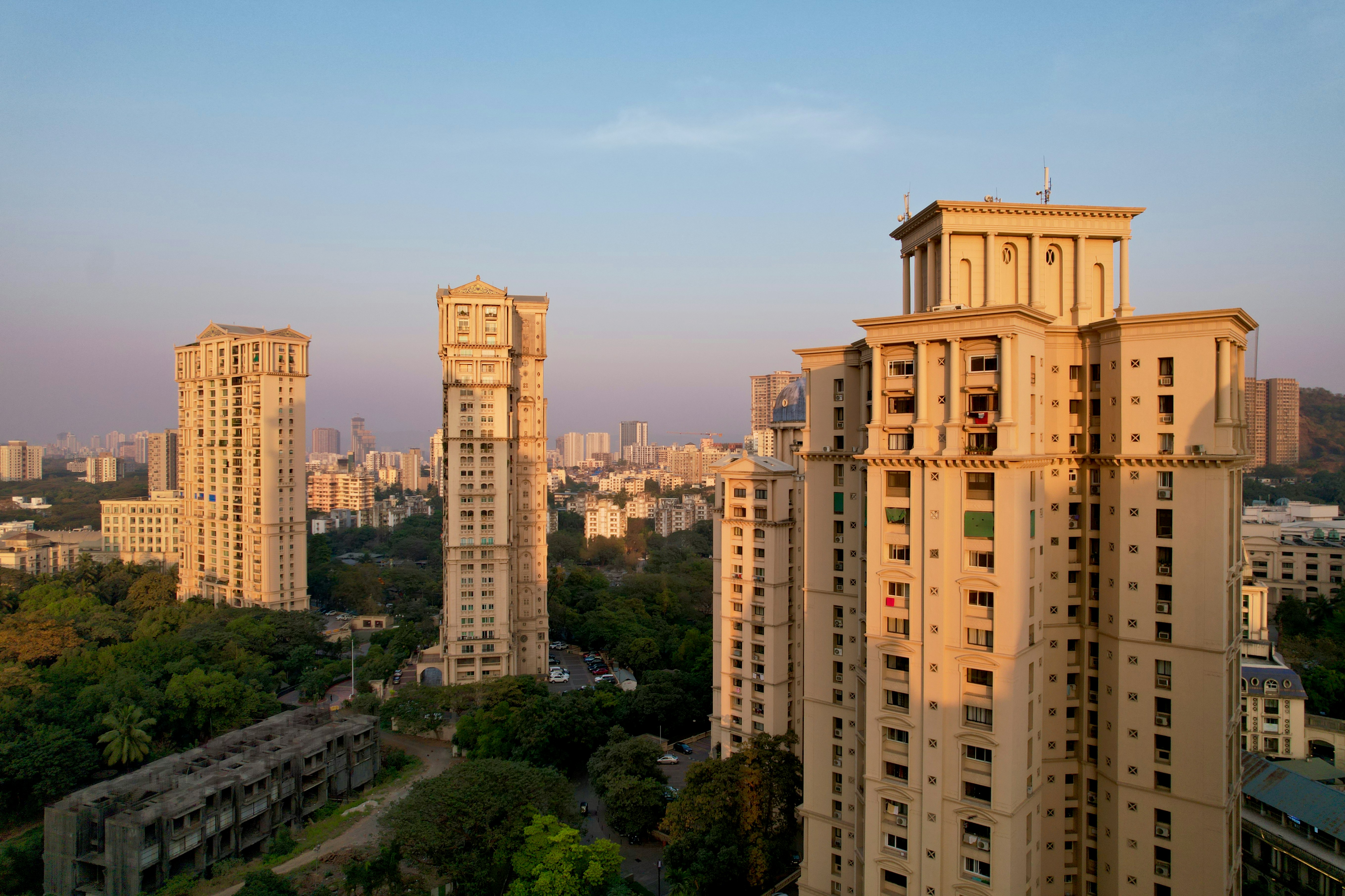
While metro cities will continue to attract big-ticket investments, the structural growth story of the next decade lies in India’s Tier-II and Tier-III cities. Improved infrastructure, including new highways, airports, and better connectivity, has made these cities more accessible and attractive for both businesses and residents.
The decentralization of employment opportunities, with many IT and BPO companies setting up campuses in cities like Jaipur, Lucknow, Coimbatore, and Indore, is a major growth driver. This creates a ripple effect, boosting housing demand, retail activity, and the need for ancillary services. For investors and developers, these emerging markets offer several advantages:
- Lower land acquisition costs compared to metros.
- Higher potential for capital appreciation.
- A growing population of aspirational homebuyers.
As these cities become new centers of economic activity, they will present a wealth of opportunities for all stakeholders in the real estate ecosystem.
What Does This Mean for You in 2026?
The real estate landscape of 2026 promises to be more inclusive, functional, and geographically diverse. For retail investors, the era of accessible, regulated investment in commercial real estate is finally here, offering a chance to build wealth through REITs and fractional ownership. For homebuyers, the market is adapting to new lifestyles, with a greater supply of functional, spacious homes that cater to the demands of a hybrid world. For developers and institutional investors, the path forward is clear: focus on quality,new-age asset classes, and the untapped potential of India’s emerging cities.
Ultimately, the trends predicted by experts like Praveen Sharma signal a maturing Indian real estate market—one that is becoming more transparent, accessible, and aligned with the evolving needs of its participants.