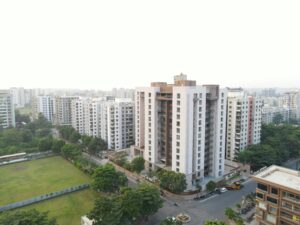
The Navi Mumbai International Airport (NMIA) is set to become one of India’s most transformative infrastructure projects, reshaping the dynamics of real estate in the Mumbai Metropolitan Region (MMR). Designed to ease congestion from the existing Chhatrapati Shivaji Maharaj International Airport and improve regional connectivity, NMIA is driving a new wave of urban development across Panvel, Ulwe, Khandeshwar, and other suburban pockets.
For homebuyers, investors, and developers alike, this megaproject signals the beginning of a new era in suburban living and investment potential. Property prices in Navi Mumbai and surrounding areas have already started reflecting this shift, with demand for both residential and commercial spaces rising steadily. In this blog, we’ll explore how the Navi Mumbai airport is influencing property values, which areas are benefitting the most, and why now might be the best time to invest.
How the Airport Drives Residential Property Growth
The upcoming Navi Mumbai International Airport has turned Panvel and its neighbouring suburbs into prime investment destinations. Residential development in these areas has surged due to improved accessibility and growing employment opportunities expected from the airport’s ecosystem.
- Rising Housing Demand:
Homebuyers are increasingly choosing locations like Panvel and Ulwe for their affordability, scenic surroundings, and future connectivity. Once the airport becomes operational, commuting to South Mumbai, Thane, and Pune will become more seamless, driving sustained housing demand.
- Township Developments Gaining Momentum:
Builders are focusing on integrated, RERA-registered township projects offering everything within walking distance—schools, shopping, parks, and healthcare. These projects cater to modern lifestyle preferences while ensuring legal transparency and timely delivery.
For instance, Marathon Nexzone in Panvel exemplifies this trend, offering affordable 1, 2, and 2.5 BHK homes with world-class amenities in a RERA-registered township near the upcoming airport.
- Attracting Investors:
Property investors—both domestic and NRIs—see long-term potential in these areas. As infrastructure improves, property values are projected to rise steadily over the next decade, ensuring strong capital appreciation and consistent rental demand.
Commercial Real Estate and Business Opportunities
The NMIA is not just transforming residential real estate—it’s also paving the way for Mumbai’s next big business corridor.
- Emergence of Business Districts:
Commercial hubs are expected to emerge near the airport, catering to corporate offices, logistics firms, and aviation-linked industries. The demand for premium office spaces and coworking environments will grow, offering attractive yields for investors.
- Growth in Logistics and Ancillary Sectors:
The airport will serve as a major logistics gateway for Mumbai, spurring growth in warehousing, cargo handling, and hospitality sectors. This expansion will create job opportunities, further increasing housing demand nearby.
- Energy-Efficient Workspaces:
Modern business complexes like Futurex Mumbai demonstrate how energy-efficient design and sustainable operations are becoming the new norm. Similar developments are expected to emerge around Navi Mumbai, blending technology with environmental responsibility.
Key Suburbs Benefiting from the Airport Development
Several suburbs around Navi Mumbai are already showing rapid appreciation due to the ongoing airport construction and complementary infrastructure projects.
- Panvel – The Growth Hub:
Panvel has become the focal point of real estate development thanks to its proximity to NMIA. With excellent road and rail connectivity and new township projects like Marathon Nexzone, the area offers affordable yet premium lifestyle options for families and professionals.
- Ulwe and Khandeshwar – Emerging Residential Nodes:
Once considered remote, Ulwe and Khandeshwar are now among the fastest-growing micro-markets in Navi Mumbai. Infrastructure upgrades, including metro extensions and flyovers, are making these areas highly accessible and desirable for buyers.
- Bhandup and Dombivli – The Extended Impact Zone:
Though farther away, areas like Bhandup and Dombivli are also experiencing growth due to their connectivity and affordability. Projects NexWorld 1 BHK Flats in Dombivli are perfect examples of developments benefitting from the wider infrastructural expansion driven by NMIA.
- Navi Mumbai’s Expanding Townships:
Townships like Nextown Navi Mumbai are setting benchmarks for integrated living, offering ready and phase-wise possession options that suit both end-users and investors.
Infrastructure Growth and Connectivity Boost
The airport’s influence extends beyond the runway—it is catalyzing a network of infrastructure projects that will redefine suburban commuting and accessibility. The Mumbai Trans Harbour Link (MTHL), Navi Mumbai Metro, and Sion-Panvel Expressway are just a few examples of developments that will connect suburbs like Panvel and Ulwe directly to South Mumbai, Thane, and Pune.
These advancements not only shorten travel times but also enhance real estate value across the region. Improved infrastructure invariably leads to higher property demand, better social amenities, and elevated living standards.
Tips for Homebuyers and Investors
If you’re considering investing in Navi Mumbai’s real estate, here are a few key strategies to ensure long-term success:
- Identify Growth Corridors:
Look for properties in locations directly influenced by NMIA’s connectivity—Panvel, Ulwe, and Khandeshwar are top choices.
- Prioritize RERA-Registered Projects:
Always opt for developments that are RERA-compliant to ensure transparency, on-time possession, and secure transactions.
- Balance Lifestyle and Returns:
While investment potential is important, also assess day-to-day conveniences such as schools, hospitals, and recreational spaces.
- Think Long-Term:
Property appreciation near large-scale infrastructure projects typically compounds over time. Early investments often deliver the best returns once the project becomes operational.
Conclusion
The Navi Mumbai International Airport is a catalyst for change, reshaping the landscape of Mumbai’s suburban real estate. With its world-class infrastructure and strategic location, the airport will unlock immense potential for residential, commercial, and mixed-use developments.
Areas like Panvel, Ulwe, and Khandeshwar are emerging as vibrant real estate hubs, offering both lifestyle benefits and long-term appreciation opportunities. As the surrounding infrastructure continues to evolve, property prices are expected to climb steadily—making this the ideal time for homebuyers and investors to take action.
By focusing on RERA-registered townships, reputed developers, and high-growth corridors, you can ensure that your investment near the Navi Mumbai International Airport yields both comfort and capital gains for years to come.
FAQs:
Q1: How will the Navi Mumbai International Airport affect property prices in nearby areas?
A1: Property prices in Panvel, Ulwe, and surrounding suburbs are expected to appreciate significantly due to enhanced connectivity, increased demand, and large-scale infrastructure development.
Q2: Which suburbs are best for investment near the airport?
A2: Panvel, Ulwe, Khandeshwar, Bhandup, and Dombivli are currently among the most promising investment locations.
Q3: How will the airport benefit commercial real estate?
A3: The airport will attract business parks, logistics firms, and hospitality projects, creating a thriving commercial ecosystem with high rental yields.
Q4: Are RERA-registered township projects a safer choice for buyers?
A4: Yes. RERA ensures transparency, accountability, and quality assurance—essential factors for long-term property value.
Q5: Is this a good time to invest in Navi Mumbai’s property market?
A5: Absolutely. As the airport nears completion and supporting infrastructure expands, early investors stand to gain substantial returns on both residential and commercial properties.