In a landmark move towards creating cleaner, healthier, and more sustainable urban environments, Union Minister for Housing and Urban Affairs, Manohar Lal Khattar, has launched the Dumpsite Remediation Action Plan (DRAP). This ambitious initiative aims to fast-track the clearing of all legacy dumpsites across urban India, setting a firm deadline of September 2026. This mission-mode effort, branded as ‘Lakshya Zero Dumpsites,’ is a critical component of the larger vision for a developed India, or ‘Viksit Bharat’.
The announcement was made during a two-day conclave in New Delhi, themed ‘Sustainable Urban Development and Governance.’ The event brought together key stakeholders, including policymakers, urban planners, private sector partners, and experts, to devise a comprehensive roadmap for building the future-ready, livable cities India aspires to create.
The Immense Challenge of Legacy Dumpsites
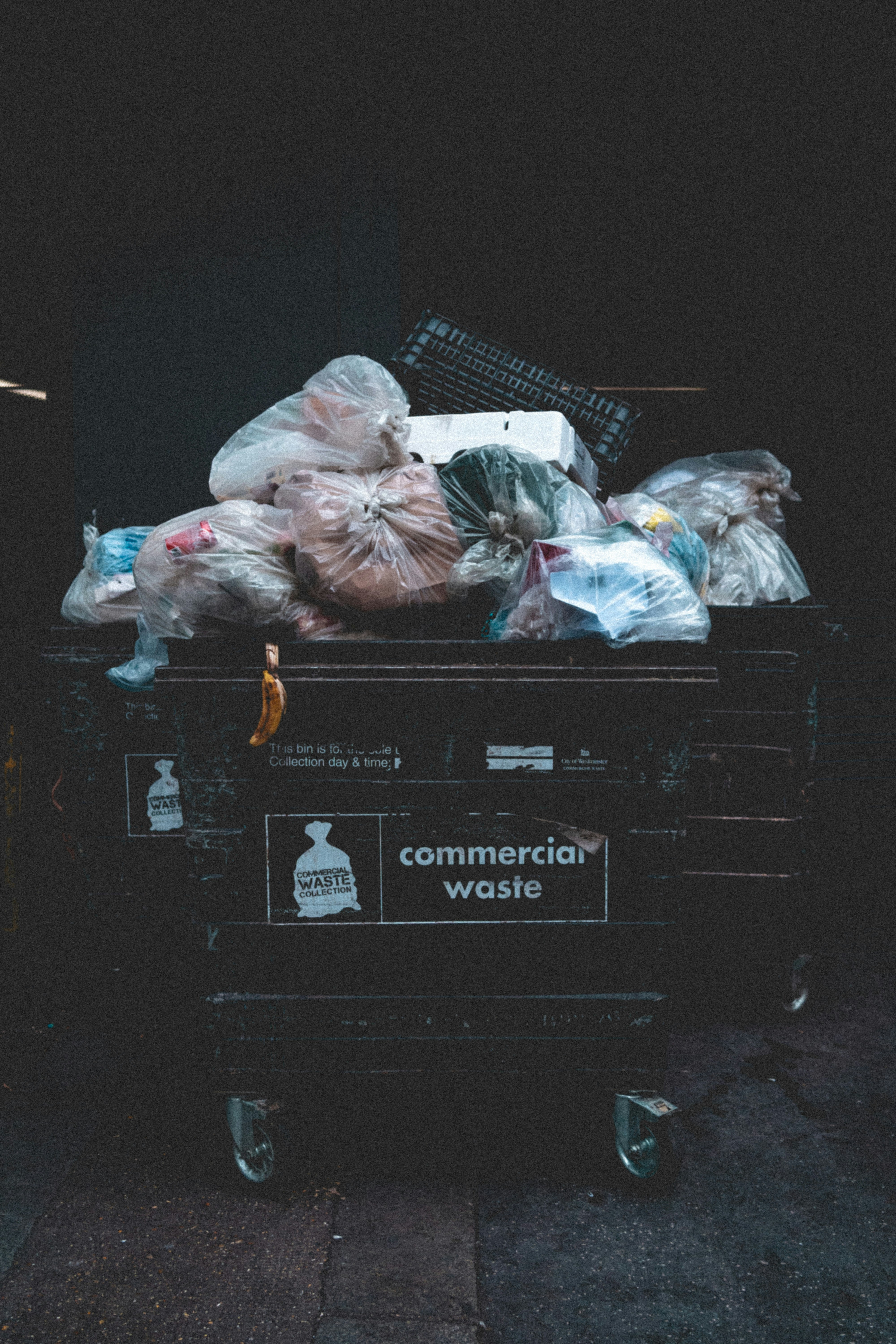
For decades, India’s rapidly growing cities have grappled with the problem of waste management. The most visible and hazardous symptom of this challenge is the proliferation of legacy dumpsites—massive mounds of unprocessed, decades-old waste. According to data from the Ministry of Housing and Urban Affairs (MoHUA), these sites have been a significant source of environmental pollution and public health risks.
These dumpsites are responsible for:
- Greenhouse Gas Emissions: The anaerobic decomposition of organic waste releases potent greenhouse gases like methane, contributing to climate change.
- Land and Water Pollution: Harmful liquids, known as leachate, seep from these dumpsites, contaminating groundwater and surrounding soil, making vast tracts of land unusable and unsafe.
- Air Pollution: Frequent fires at these dumpsites release toxic fumes, leading to severe air pollution and respiratory illnesses in nearby communities.
- Public Health Crisis: Dumpsites become breeding grounds for disease-carrying pests, posing a direct threat to the health and well-being of urban populations.
Recognizing the urgency of this crisis, the Government of India has made dumpsite remediation a cornerstone of its urban transformation agenda.
DRAP: A Mission-Mode Strategy for a Cleaner Future
The Dumpsite Remediation Action Plan (DRAP) represents a concerted, time-bound strategy to tackle this issue head-on. Launched under the umbrella of the Swachh Bharat Mission – Urban 2.0 (SBM-U 2.0), DRAP is not just about clearing waste; it’s about reclaiming valuable urban land and ensuring a sustainable future.
As highlighted by Minister Khattar, the plan requires robust collaboration between central and state governments, urban local bodies (ULBs), and private sector experts. The Centre has committed to providing the necessary financial and technical support to fast-track the remediation projects. The ‘Lakshya Zero Dumpsites’ goal by September 2026 is an ambitious but achievable target that signals a new era of accountability and action in urban governance.
The core of the remediation process, known as bioremediation, involves scientifically managing the legacy waste. This typically includes:
- Excavating the old, compacted waste.
- Stabilizing it with biocultures to reduce its harmful properties.
- Screening and segregating the material into useful components like soil enhancers, construction aggregates, and Refuse Derived Fuel (RDF) that can be used in waste-to-energy plants.
This scientific approach ensures that the land is not just cleared but restored, making it available for productive public or commercial use.
Connecting Dumpsite Remediation to ‘Viksit Bharat’
The drive to eliminate dumpsites is intrinsically linked to the national goal of ‘Viksit Bharat’—a vision of a developed, prosperous, and sustainable India by 2047. Clean and well-governed cities are the engines of economic growth and provide a high quality of life for their citizens. By addressing the fundamental issue of waste, the government is laying the foundation for this ambitious future.
During the conclave, it was emphasized that sustainable urban development is not a choice but a necessity. A Press Information Bureau (PIB) release on the event noted that substantial investment from all stakeholders is crucial to cater to the growing demands of urbanization. Creating garbage-free cities enhances their livability, attracts investment, and boosts the real estate sector by improving the overall urban landscape.
The Economic and Environmental Windfall
The benefits of achieving the ‘Lakshya Zero Dumpsites’ target extend far beyond aesthetics. The successful implementation of DRAP will unlock significant economic and environmental advantages.
Reclaiming Valuable Land: Thousands of acres of prime urban land, currently locked under mountains of waste, will be reclaimed. This land can be repurposed for green zones, public parks, affordable housing projects, or commercial developments, generating economic value and improving urban life.
Resource Recovery: The process of bioremediation itself promotes a circular economy. A significant portion of the recovered material can be transformed into valuable resources, reducing the reliance on virgin materials and creating new economic avenues in the waste-processing sector.
Improved Environmental and Public Health: The most significant gain will be the drastic reduction in pollution. Cleaner air, purer water, and healthier living conditions will reduce the public health burden and create more resilient communities.
The Road Ahead: A Collaborative Journey
The launch of DRAP by Manohar Lal Khattar is a clear and decisive call to action. Achieving the September 2026 deadline will require unwavering commitment, seamless coordination, and the adoption of cutting-edge technology. It calls for a paradigm shift where waste is no longer viewed as a liability but as a resource.
By transforming its cities from being plagued by dumpsites to models of sustainable waste management, India is not just cleaning its urban spaces—it is building a legacy of environmental responsibility and paving the way for a truly ‘Viksit Bharat’. This bold step promises a brighter, cleaner, and more prosperous future for millions of urban dwellers across the nation.