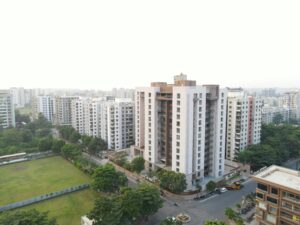
The City of Joy is living up to its name for real estate developers and homebuyers alike. In a stunning display of market vitality, Kolkata has witnessed a remarkable 32% surge in home sales during the first nine months of 2025. According to a recent report by leading property consultant Knight Frank India, a total of 46,742 residential units were registered between January and September, marking the highest figure in the last five years.
This impressive growth not only signals a strong post-pandemic recovery but also underscores Kolkata’s emergence as a robust and attractive real estate destination. Let’s delve deeper into the numbers, the driving factors, and the property hotspots that are defining this unprecedented boom.
Decoding the Numbers: A Market in Full Swing
The registration of 46,742 homes is a significant milestone, reflecting sustained buyer confidence and a high-volume transaction environment. This figure surpasses all records since 2020, indicating that the market has moved beyond simple recovery into a phase of accelerated growth. This momentum is fueled by a combination of economic stability, favorable government policies, and a fundamental shift in consumer behavior.
The consistent growth trajectory suggests that the demand is organic and deeply rooted. Homebuyers, who were previously on the fence, are now actively entering the market, eager to secure their dream homes in a promising economic climate. This renewed optimism is a testament to the city’s enduring appeal and its potential for long-term investment returns.
Key Factors Fueling the Real Estate Surge
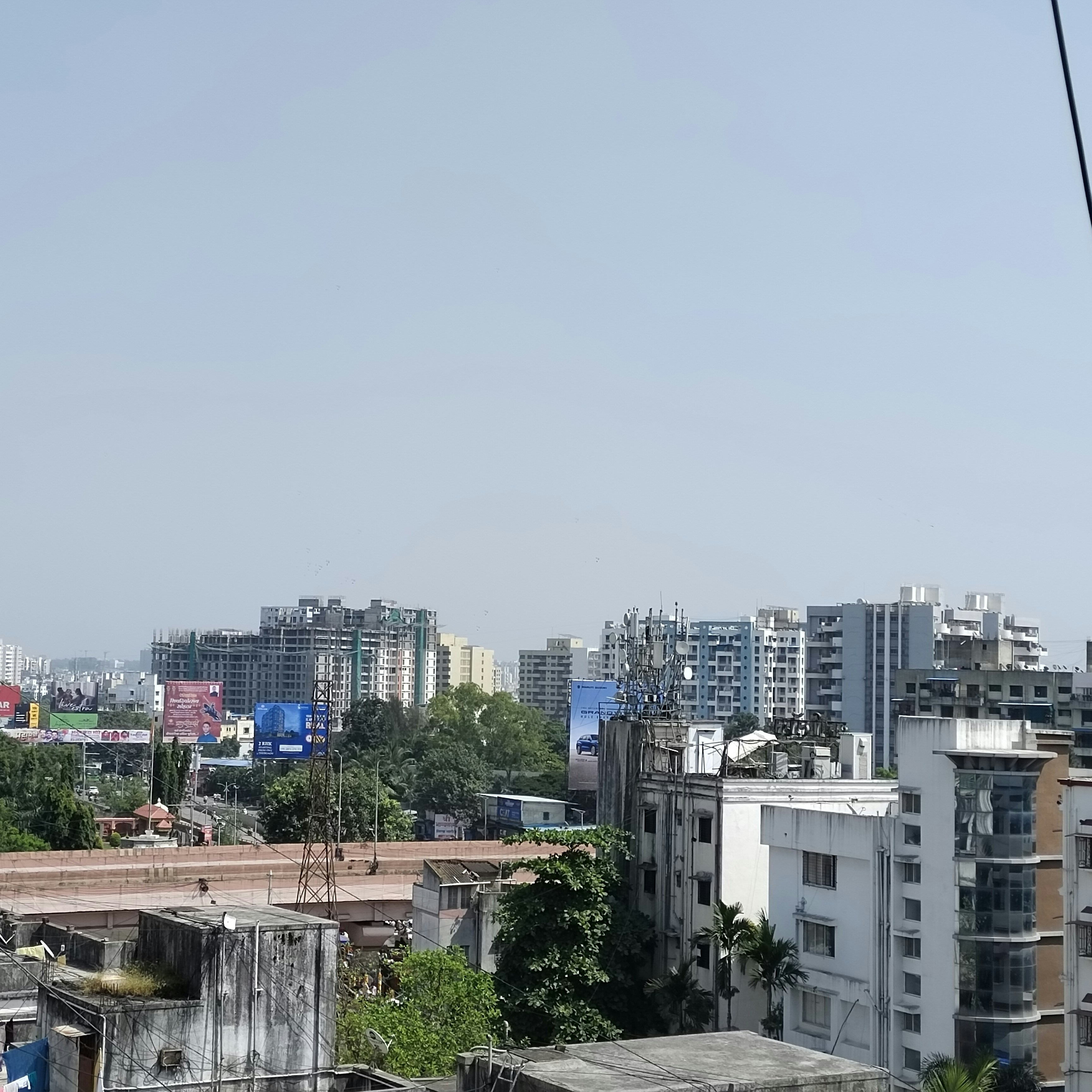
Several catalysts are working in unison to propel Kolkata’s property market to these new heights. Understanding them is key to appreciating the sustainability of this trend.
- Stable Home Loan Interest Rates: The Reserve Bank of India’s decision to maintain the repo rate has been a significant boon for homebuyers. Stable and relatively affordable home loan interest rates have enhanced purchasing power and made EMIs more manageable for a larger segment of the population.
- Government Incentives: The West Bengal government’s initiative to provide a 2% rebate on stamp duty and a 10% reduction in circle rates has been a masterstroke. This financial relief, as reported by sources like The Economic Times, has directly incentivized property registrations, prompting many to finalize their purchase decisions.
- Post-Pandemic Shift to Larger Homes: The pandemic has fundamentally altered the way we live and work. The adoption of hybrid or remote work models has amplified the need for more spacious homes. Buyers are now prioritizing properties with extra rooms for home offices, study areas, and recreational activities. This has led to a noticeable uptick in demand for 3BHK and larger configurations.
- Robust Economic Growth: Kolkata’s strengthening economic landscape, coupled with job creation and rising disposable incomes, has instilled a strong sense of financial security among its residents, further encouraging long-term investments like real estate.
Investment Hotspots: Mapping the Demand
While the growth is city-wide, certain micro-markets have emerged as clear frontrunners, attracting the lion’s share of investment and buyer interest.
South Kolkata: The Premium Choice
South Kolkata continues to be the undisputed leader, commanding the highest number of property registrations. This region, known for its premium residential offerings and well-established social infrastructure, remains the top choice for discerning homebuyers. Areas like Ballygunge, Alipore, Jadavpur, and Tollygunge offer a blend of luxury, connectivity, and lifestyle amenities (top-tier schools, hospitals, and entertainment hubs), making them perennial favorites. The demand here is largely driven by a preference for a superior living environment and the prestige associated with the location.
Rajarhat & Dum Dum: The Growth Corridors
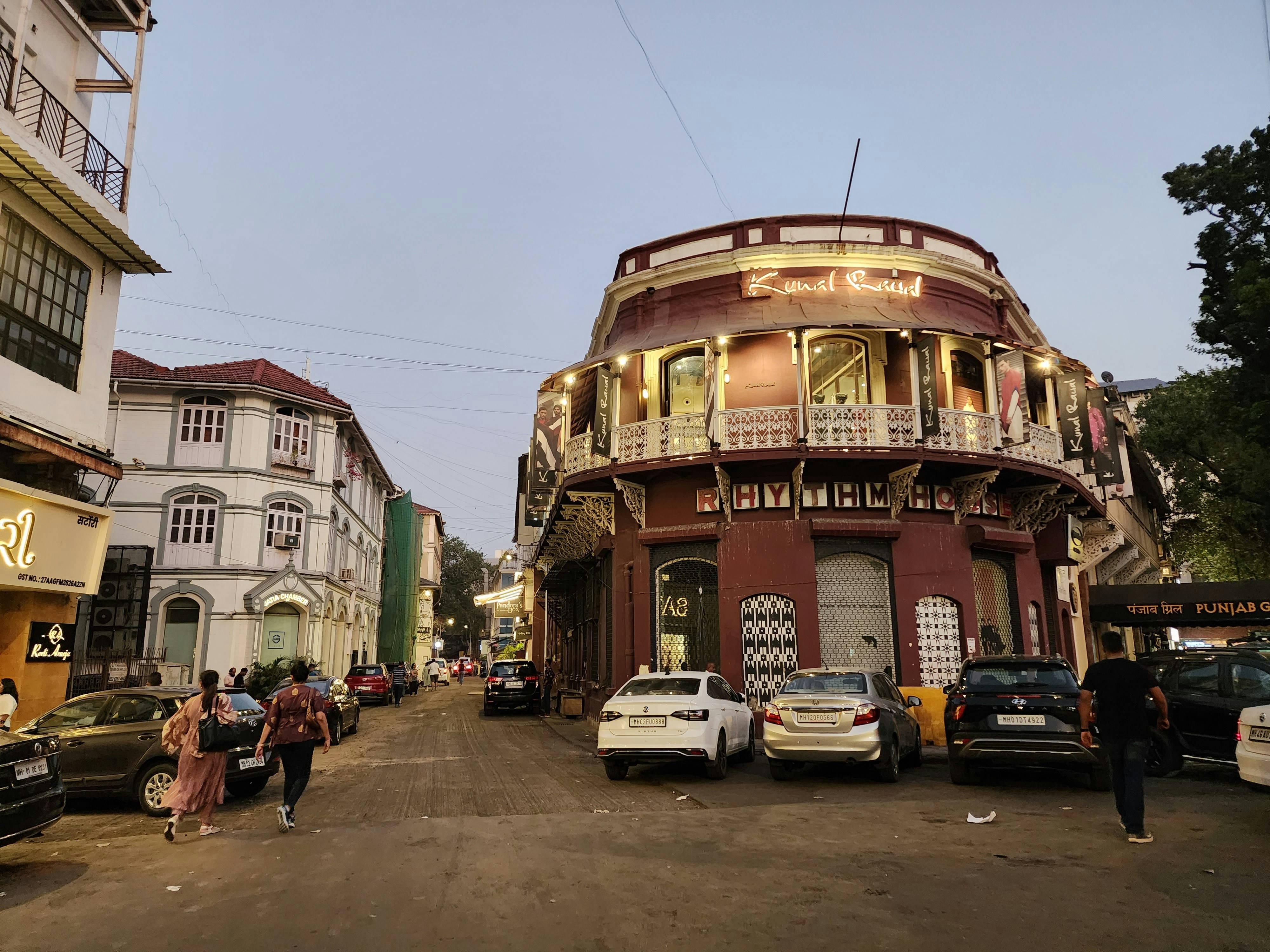
On the other end of the spectrum are the high-growth corridors of North and East Kolkata, particularly Rajarhat, New Town, and the peripheries of Dum Dum. These areas have become epicenters for affordable and mid-segment housing, attracting a large volume of first-time homebuyers and salaried professionals.
The key attractions here are:
- Affordability: Compared to the southern parts of the city, property prices in these regions are significantly more accessible.
- Connectivity: Major infrastructure projects, including the expansion of the Metro network (like the Airport-New Garia line) and well-developed arterial roads, have drastically improved connectivity to the central business districts.
- Proximity to IT Hubs: The presence of the IT and ITeS hub in New Town and Salt Lake Sector V ensures a steady demand for both rental and ownership housing from the thousands of professionals working there.
The Shift in Buyer Preference: Bigger is Better
One of the most defining trends of the 2025 market is the clear pivot towards larger living spaces. The Knight Frank report highlights that apartments above 1,000 sq. ft. have seen a significant jump in sales. This is a direct consequence of the post-pandemic lifestyle, where a home is no longer just a place to rest but also a workspace, a classroom, and a recreational zone.
Developers are responding to this trend by launching new projects with larger floor plans and amenities that cater to the ‘work-from-home’ culture. This shift signifies a move towards quality of life, where buyers are willing to invest more for comfort, space, and functionality.
Future Outlook: A Market Poised for More Growth
The outlook for Kolkata’s real estate market remains overwhelmingly positive. The combination of government support, stable interest rates, and strong underlying demand creates a fertile ground for sustained growth. As infrastructure projects continue to unfold and the city’s economy expands, property values are expected to appreciate further.
For homebuyers, the current market offers a window of opportunity with favorable incentives and a wide range of options across different budgets. For investors, Kolkata presents a compelling case for long-term capital appreciation and rental income. The five-year high in registrations is not just a statistic; it’s a clear signal that the City of Joy is building a future on a foundation of confidence and growth.