The Indian real estate market is a dynamic landscape, constantly evolving with economic shifts, policy changes, and new consumer preferences. For prospective homebuyers, the million-dollar question remains: when is the right time to invest? As we look towards 2026, several key trends are emerging that could redefine India’s property market, making it a potentially opportune moment for buyers. In this blog, we’ll explore the rise of affordable housing, the growing importance of sustainable living, and the boom in Tier 2 and Tier 3 cities to help you decide if 2026 is the best time to buy a home in India.
The Resurgence of Affordable Housing
For years, the dream of homeownership has been a challenge for many Indians due to soaring property prices. However, the coming years, including 2026, are expected to witness a significant push towards affordable housing. The Indian government has been actively promoting this sector through various initiatives, such as the Pradhan Mantri Awas Yojana (PMAY), which aims to provide “Housing for All.” You can find more details on the official PMAY website.
This sustained government focus, coupled with private sector participation, is expected to increase the supply of affordable homes across the country. According to a report by the India Brand Equity Foundation (IBEF), the Indian real estate market is projected to reach US$ 1 trillion by 2030, with the housing sector contributing significantly. This growth is not just confined to luxury properties but is also driven by the immense demand in the affordable and mid-income segments. As we approach 2026, we can expect more developers to launch projects that cater to this demographic, making homeownership more accessible.
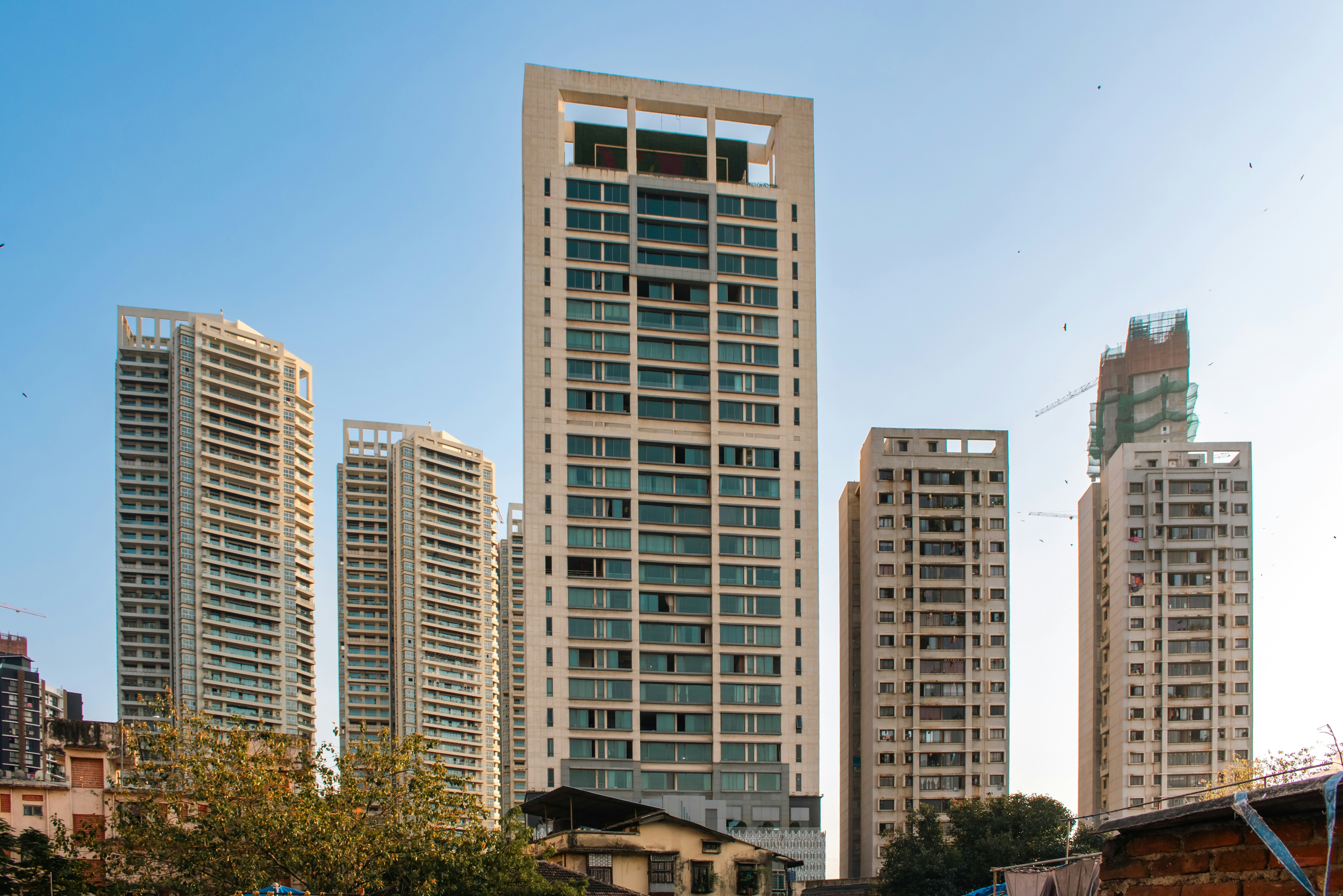
Sustainable Living: The New Mantra in Real Estate
The concept of sustainable living is no longer a niche interest; it’s fast becoming a mainstream demand in the Indian real estate market. Homebuyers are increasingly conscious of their environmental footprint and are seeking properties that are not just comfortable but also eco-friendly. This trend is expected to gain further momentum by 2026, with developers integrating green features into their projects.
From rainwater harvesting systems and solar panels to energy-efficient lighting and waste management solutions, sustainable homes offer a plethora of benefits. They not only reduce the impact on the environment but also lead to significant cost savings for homeowners in the long run. The Indian Green Building Council (IGBC) has been at the forefront of promoting green building practices in the country, and you can learn more about their initiatives on their official website.
As we move towards 2026, expect to see a wider range of green-certified projects in the market. These properties will not only provide a healthier living environment but could also command a better resale value, making them a wise investment.
The Rise of Tier 2 and Tier 3 Cities
The real estate narrative in India is no longer dominated by metropolitan giants like Mumbai and Delhi. Tier 2 and Tier 3 cities are rapidly emerging as the new growth engines of the property market. This shift is fueled by several factors, including:
- Infrastructure Development: Improved connectivity through highways, airports, and railways is making these cities more accessible.
- Economic Growth: The proliferation of IT parks, industrial corridors, and educational institutions is creating new job opportunities.
- Affordable Lifestyle: Compared to metro cities, Tier 2 and Tier 3 cities offer a lower cost of living and a better quality of life.
Cities like Jaipur, Lucknow, Coimbatore, and Indore are witnessing a real estate boom, with property prices appreciating at a steady pace. A report by Livemint highlights that investments in these cities are yielding higher returns than in Tier 1 cities. By 2026, this trend is likely to intensify, offering a golden opportunity for homebuyers and investors to enter these promising markets.

What to Expect in 2026: A Prudent Outlook
So, is 2026 the best time to buy a home in India? While the trends discussed above paint a promising picture, it’s essential to approach this decision with careful consideration. The real estate market is subject to various economic factors, including interest rates, inflation, and GDP growth. The Reserve Bank of India’s monetary policy will play a crucial role in shaping the lending landscape, and you can stay updated on their announcements via their official website.
Before making a purchase, it’s vital to assess your financial readiness, including your credit score, down payment capacity, and long-term goals. While 2026 may present a favorable market for many, the “best” time to buy is ultimately a personal decision.
Conclusion
The Indian real estate market in 2026 is poised for an exciting phase of transformation. The convergence of affordable housing, sustainable living, and the rise of Tier 2 and Tier 3 cities is creating a more inclusive and diverse property landscape. For prospective homebuyers, this could be a window of opportunity to invest in a home that not only meets their aspirations but also aligns with their values.
By staying informed, conducting thorough research, and seeking expert advice, you can navigate the market with confidence and make a decision that you’ll cherish for years to come. Whether you’re a first-time buyer or a seasoned investor, 2026 could indeed be the year you unlock the door to your dream home.