The Indian real estate sector has demonstrated remarkable resilience and growth, with 2025 marking a year of sustained momentum. Fueled by a potent combination of robust economic growth, stable government policies, and resurgent consumer confidence, the market is witnessing vigorous demand across its primary segments: residential, commercial, and logistics. This comprehensive expansion underscores the sector’s foundational strength and its pivotal role in India’s economic landscape.
Economic Stability and Favorable Policies: The Bedrock of Growth
India’s impressive economic trajectory is a key pillar supporting the real estate boom. With the World Bank and IMF consistently forecasting strong GDP growth, the nation stands out as a global economic powerhouse. This positive outlook translates into higher disposable incomes, increased corporate expansion, and a fertile ground for investment. According to a report by the World Bank, India’s economy is projected to maintain healthy growth, which directly correlates with housing and commercial space demand.
Furthermore, regulatory frameworks like the Real Estate (Regulation and Development) Act, 2016 (RERA) have been instrumental in maturing the market. By enhancing transparency, ensuring accountability, and protecting homebuyer interests, RERA has significantly boosted confidence among domestic and international investors. This stable policy environment has created a predictable and secure investment climate, encouraging long-term capital deployment into the sector.
Residential Sector: Premium Segment Leads the Charge
The residential market in 2025 is characterized by a distinct shift towards premium and luxury properties. A growing class of affluent buyers is seeking larger homes with modern amenities, wellness features, and integrated smart home technology. This demand is not just for personal use but also as a stable investment asset. Cities like Mumbai, Delhi-NCR, Bengaluru, and Hyderabad are at the forefront of this trend, witnessing numerous high-end project launches and rapid absorption rates.
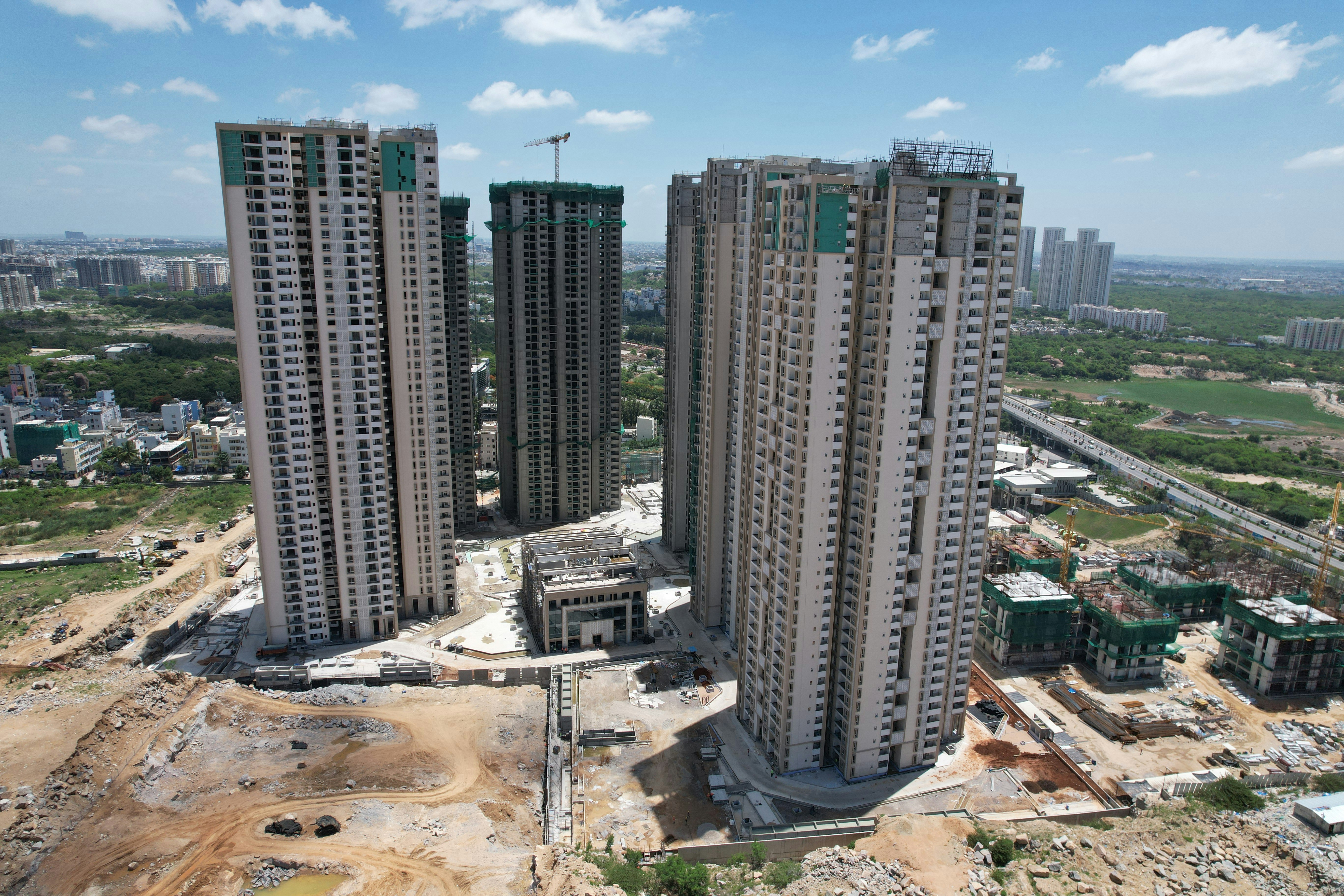
While the luxury segment captures headlines, the demand for mid-range and affordable housing remains robust. Continuous urbanization and a young demographic continue to fuel the need for quality housing. Government initiatives and a focus on peripheral urban development are helping to meet this persistent demand, ensuring balanced growth across the residential spectrum.
Commercial Real Estate: Powering India’s Business Ambitions
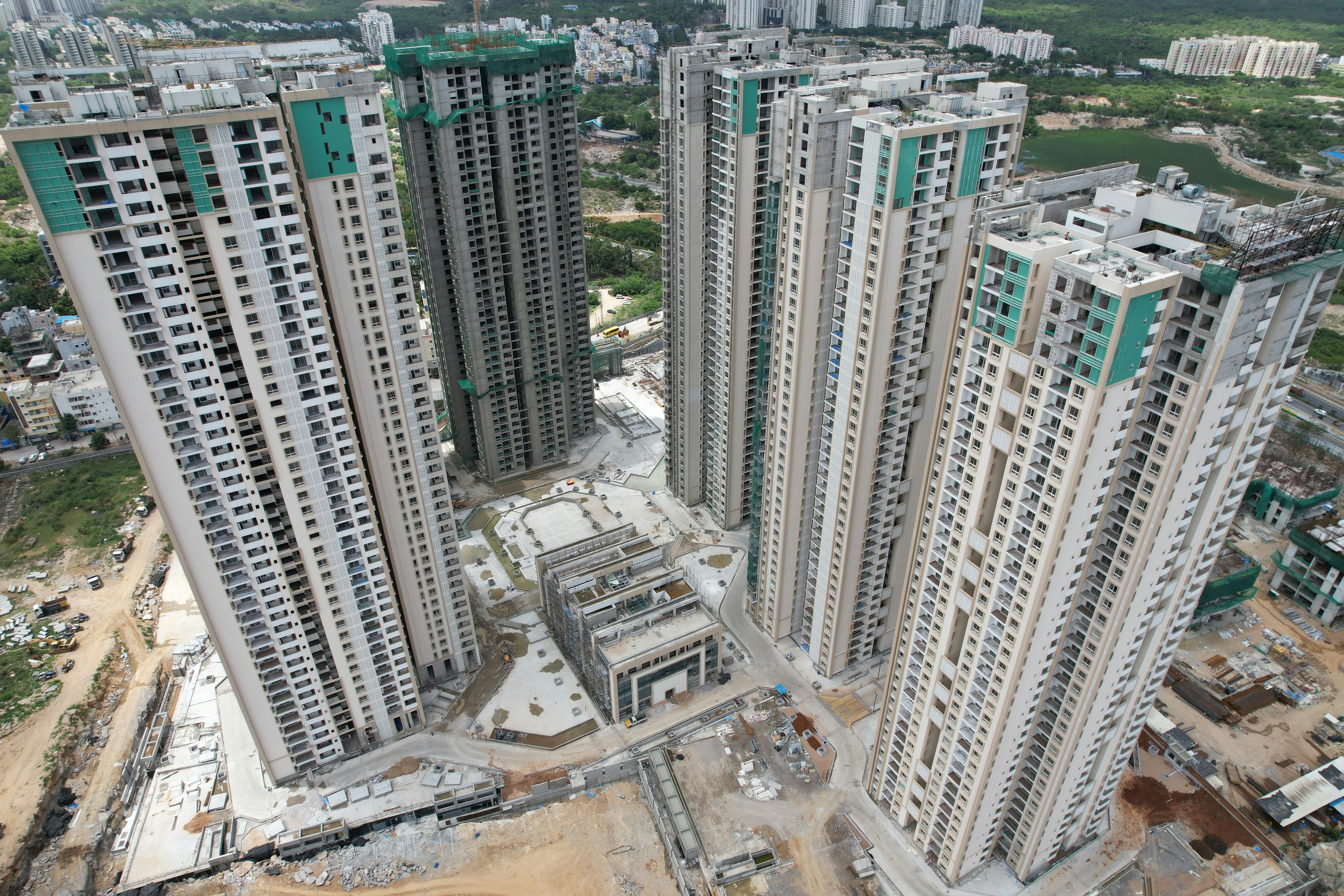
India’s commercial real estate (CRE) segment is experiencing a phenomenal upswing. The post-pandemic “return to office” culture has solidified, leading to significant office space absorption across major metropolitan areas. A recent analysis by real estate consultant CBRE highlights that gross absorption has breached pre-pandemic levels, driven by domestic firms and Global Capability Centers (GCCs).
Key Drivers of Commercial Growth:
- Information Technology (IT/ITeS): This sector remains the largest consumer of office space, fueled by digital transformation and global demand for tech services.
- Banking, Financial Services, and Insurance (BFSI): Robust growth in the financial sector has led to significant leasing activity.
- Manufacturing and Engineering: The “Make in India” initiative has spurred demand for corporate offices from an expanding industrial base.
The Unstoppable Rise of Flexible Workspaces
A standout trend within the commercial domain is the rapid expansion of flexible and co-working spaces. These agile environments are no longer just for startups; large corporations are increasingly incorporating flex spaces into their real estate portfolios. This strategy allows them to optimize costs, embrace hybrid work models, and enter new markets with minimal capital expenditure. The flexibility to scale operations up or down as needed provides a crucial competitive advantage in today’s dynamic business world, making operators like WeWork, Awfis, and CoWrks integral to the CRE landscape.
Emerging Trends Shaping the Future
Beyond the core segments, several emerging trends are defining the future of Indian real estate in 2025:
- Sustainability and Green Buildings: There is a growing emphasis on developing environmentally friendly properties. Developers are actively pursuing certifications like LEED (Leadership in Energy and Environmental Design) and GRIHA (Green Rating for Integrated Habitat Assessment) to meet the demand from ESG-conscious tenants and investors.
- Logistics and Warehousing: Propelled by the e-commerce explosion and governmental pushes for improved infrastructure, the logistics and warehousing sector is booming. The demand for modern, large-scale storage facilities near major consumption centers is at an all-time high.
- Alternative Investment Avenues: Instruments like Real Estate Investment Trusts (REITs) and fractional ownership platforms are gaining traction. These vehicles are democratizing real estate investment, allowing smaller retail investors to participate in a high-value asset class previously accessible only to institutional players. This increased liquidity is expected to further deepen the market.
A Positive Outlook for 2025 and Beyond
In conclusion, India’s real estate market in 2025 is a picture of health and vitality. The synergistic effects of a strong economy, proactive policies, and evolving consumer preferences have created a self-sustaining growth cycle. The residential sector is thriving on the aspirations of a growing middle and affluent class, while the commercial sector is expanding on the back of India’s rising corporate power.
While challenges such as potential interest rate hikes and global economic headwinds remain on the horizon, the sector’s underlying fundamentals are stronger than ever. For homebuyers, investors, and developers, 2025 presents a landscape rich with opportunity and poised for continued success.