As India strides through 2026, its real estate sector is demonstrating remarkable resilience and is positioned for a phase of measured, sustainable growth. Industry experts across the board are optimistic, pointing to strong economic fundamentals, a burgeoning demand for premium housing, and highly adaptive retail and logistics ecosystems. This positive outlook is not just a fleeting trend; it is a structural shift that continues to attract significant domestic and international capital, setting the stage for a robust year ahead.
The sentiment is clear: after navigating the global uncertainties of previous years, the Indian real estate market has matured. Growth is no longer just about expansion but about creating quality, sustainable, and future-ready assets. Let’s delve into the key segments and drivers shaping this promising landscape.
The Residential Renaissance: Premium and Sustainable Housing
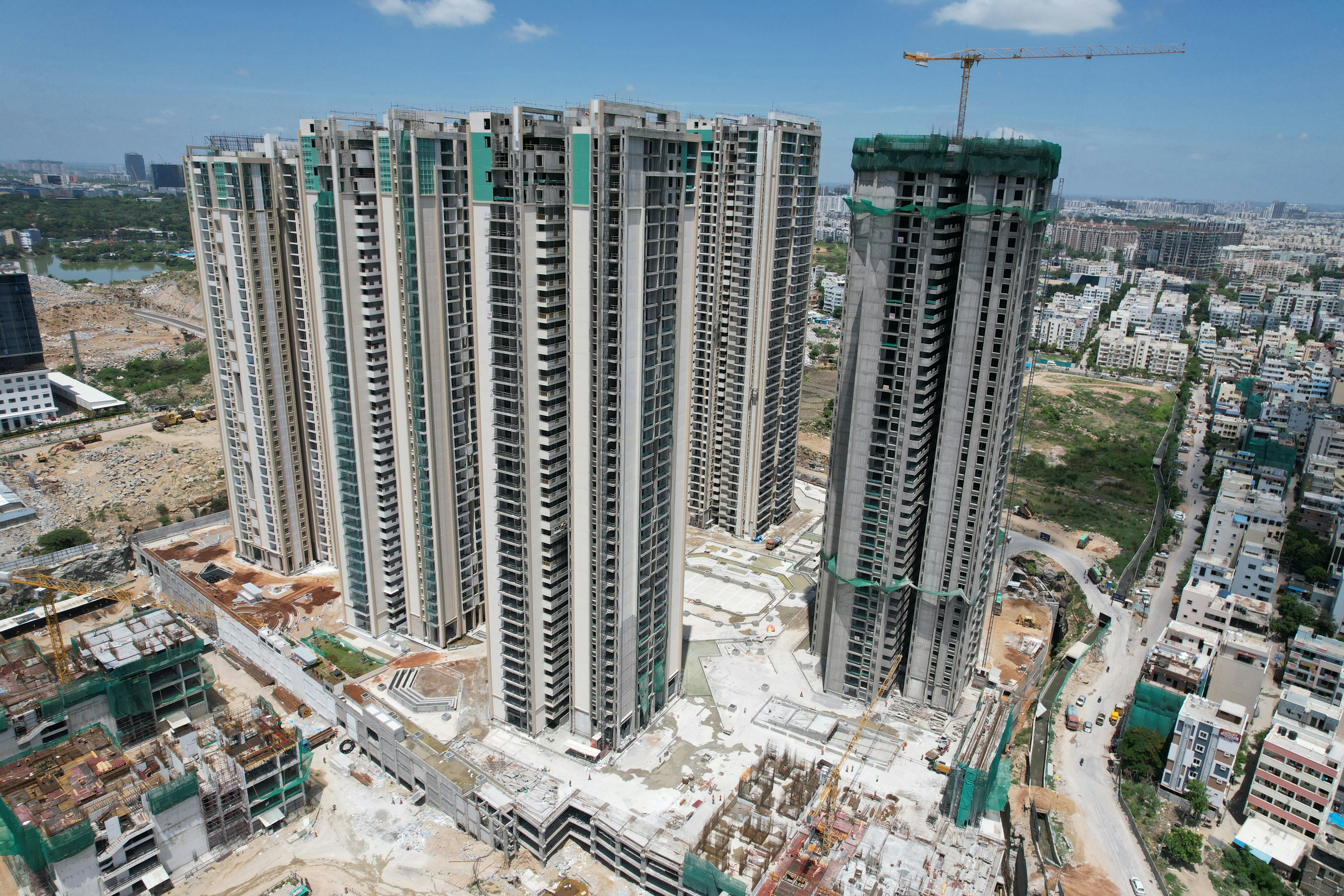
The residential sector, the backbone of Indian real estate, is experiencing a significant transformation. The demand is not just for any housing, but for homes that offer a better quality of life. This has led to an unprecedented surge in the premium and luxury housing segments. Rising disposable incomes, a renewed focus on wellness, and the desire for more spacious living environments are key factors fueling this demand.
Furthermore, sustainability is no longer a buzzword but a core component of new developments. Modern homebuyers are environmentally conscious, seeking properties with green certifications, energy-efficient systems, rainwater harvesting, and ample green spaces. Developers are responding to this by integrating ESG (Environmental, Social, and Governance) principles into their projects, creating a win-win for both the planet and the homebuyer. According to a Knight Frank report, the share of luxury housing in total sales has been consistently rising, a trend expected to solidify through 2026.
Commercial and Retail Spaces: Adapting to New Realities
The commercial real estate (CRE) segment, particularly office spaces, has adapted commendably to the post-pandemic work culture. While the hybrid model is here to stay, the demand for high-quality, Grade-A office spaces remains strong. Companies are investing in offices that are not just workplaces but hubs for collaboration, innovation, and employee well-being. These new-age offices are equipped with smart technology, wellness amenities, and flexible layouts.
The retail sector is also undergoing a dynamic shift. The narrative is no longer about online versus offline, but about creating a seamless omnichannel experience. Malls are transforming into experiential centers, offering a mix of shopping, dining, and entertainment. This evolution is not confined to metro cities; a significant expansion of organized retail is being witnessed in Tier-II and Tier-III cities, driven by urbanization and increased purchasing power. This physical expansion, complemented by a strong e-commerce backbone, defines the new retail ecosystem.
The Engine of Growth: Warehousing and Logistics
Perhaps the most explosive growth has been in the industrial, warehousing, and logistics sector. This boom is powered by several factors, including the exponential growth of e-commerce, the government’s ‘Make in India’ initiative boosting manufacturing, and a national push for improved infrastructure.
The demand for modern, large-scale warehousing and fulfillment centers is at an all-time high. As detailed by a JLL India report, the warehousing space absorption is projected to continue its upward trajectory. Companies require sophisticated facilities, including cold storage chains, to ensure supply chain efficiency. This sector is a critical enabler of the digital economy and is attracting substantial institutional investment, viewing it as a stable, long-term asset class.
Key Drivers Fueling Sustainable Growth in 2026
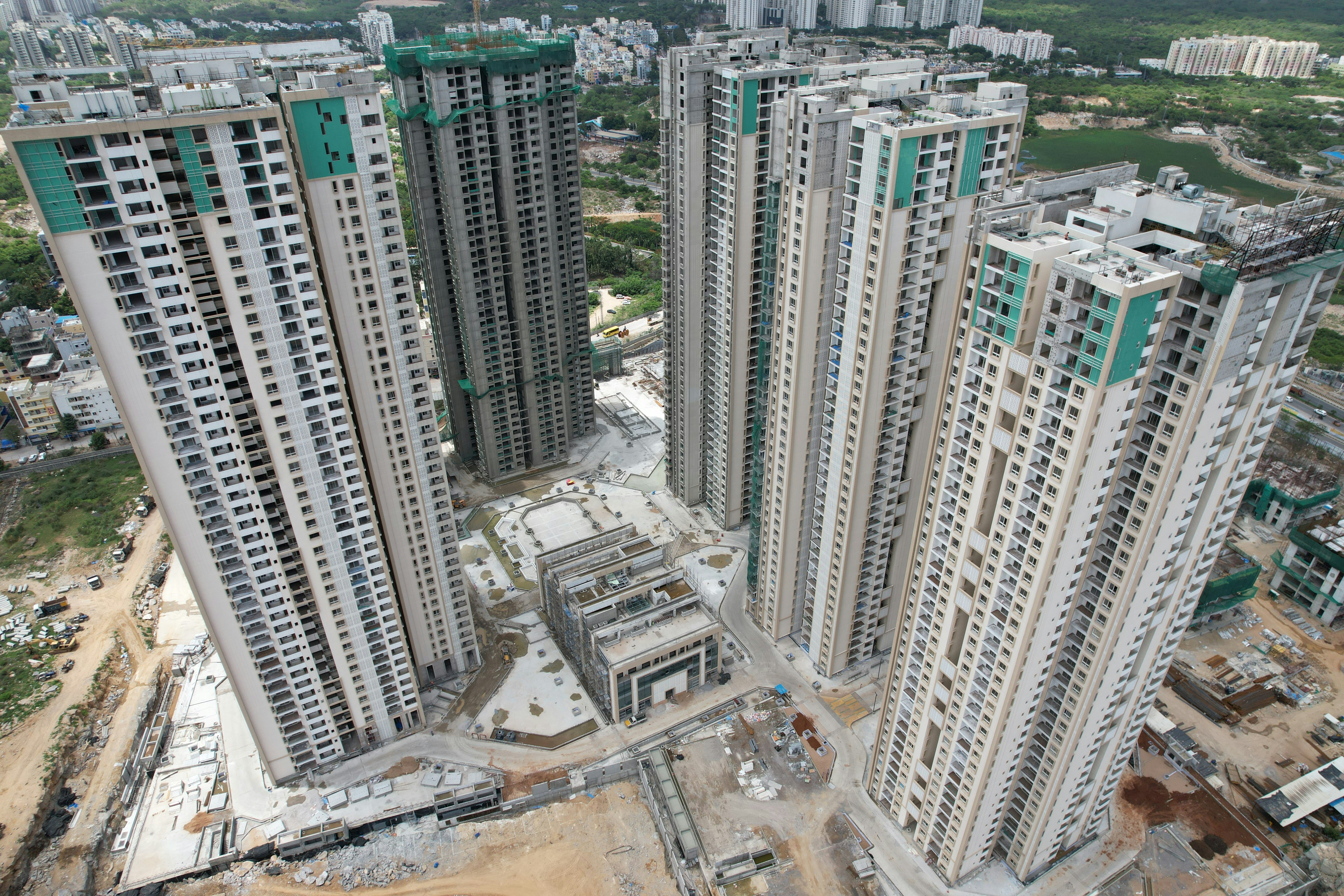
Several underlying factors are providing a powerful tailwind to the real estate sector’s sustainable growth:
- Strong Economic Fundamentals: India is projected to remain one of the world’s fastest-growing major economies. This economic stability, as noted by organizations like the International Monetary Fund (IMF), translates into higher consumer confidence and corporate expansion.
- Favorable Government Policies: The transparency and accountability brought in by the Real Estate (Regulation and Development) Act, 2016 (RERA) have matured the market. Continued government spending on infrastructure, such as highways and urban development, further enhances real estate value.
- Increased Capital Inflow: The Indian real estate market’s strong fundamentals are attracting a steady flow of foreign and domestic investment. Real Estate Investment Trusts (REITs) have become a popular instrument, offering liquidity and making commercial real estate accessible to retail investors.
- Technological Integration (PropTech): Technology is revolutionizing the sector. From AI-powered property discovery platforms and virtual tours to blockchain for transaction security and IoT for smart building management, PropTech is enhancing efficiency and transparency across the value chain.
The Road Ahead
While the outlook for 2026 is overwhelmingly positive, the sector must remain mindful of potential challenges, such as fluctuations in global economic conditions and the rising cost of raw materials. However, the industry’s focus has decisively shifted from speculative, short-term gains to creating long-term, sustainable value.
In conclusion, the Indian real estate sector in 2026 is not just growing; it is evolving. The emphasis on quality, sustainability, and technology-led innovation is creating a resilient market that can withstand shocks and deliver consistent value. For homebuyers, investors, and developers, the year promises to be one of stable progress and strategic opportunities, cementing India’s position as a global real estate powerhouse.