The Indian real estate sector, a cornerstone of the nation’s economy, demonstrated remarkable resilience and dynamic growth throughout 2025. This pivotal year was characterized by a fundamental reset in buyer priorities, driven by a confluence of economic stability, evolving lifestyle preferences, and significant infrastructural advancements. As we look towards 2026, the trends established in 2025 are set to mature, creating fresh opportunities for homebuyers and strategic imperatives for investors.
The narrative of 2025 wasn’t just about recovery; it was about reinvention. With a notable surge in demand for properties that offer more than just a roof over one’s head, the market has pivoted towards quality, wellness, and integrated living. This shift has been particularly evident in major metropolitan hubs like Mumbai, Delhi NCR, and Bengaluru, as well as high-demand lifestyle destinations like Goa.
A Year of Resilient Growth and Shifting Demands
According to industry reports, 2025 witnessed housing sales across India’s top seven cities reaching a multi-year high, reflecting robust consumer confidence. This demand was not uniform; it was heavily skewed towards projects helmed by reputable, branded developers who promised quality construction, modern amenities, and timely delivery. The market’s performance underscored a flight to quality, where buyers were willing to pay a premium for a superior product and peace of mind.
The luxury segment, in particular, had a stellar year. High-net-worth individuals (HNIs) and NRIs fueled demand for premium properties, seeing Indian real estate as a stable and high-return asset class. This trend was especially pronounced in Mumbai and Delhi-NCR, where multi-crore deals became increasingly common. For more detailed figures, market analysis from firms like Knight Frank India provides in-depth insights into these market dynamics.
The New Buyer Playbook: What Changed in 2025?
The year 2025 will be remembered for solidifying a new hierarchy of needs for the Indian homebuyer. The pandemic-induced changes in work and life have now become permanent preferences, fundamentally altering the definition of a “dream home.”
- The Quest for Space and Functionality: The hybrid work model is here to stay, making a dedicated home office a near-necessity. Buyers are actively seeking larger homes with flexible layouts, balconies, and private green spaces.
- Wellness and Green Living Take Center Stage: Modern homebuyers are prioritizing their health and well-being. This has translated into soaring demand for properties within integrated townships that offer amenities like jogging tracks, yoga decks, spas, and sports facilities. Furthermore, sustainability is no longer a buzzword but a key feature, with buyers looking for energy-efficient homes, rainwater harvesting, and superior air filtration systems.
- The Rise of Branded Residences: The market saw a significant consolidation, with buyers overwhelmingly favouring established developers. The assurance of quality, transparency, and world-class amenities associated with branded residences has made them a top choice, especially in the luxury and upper-mid segments.
- Tech-Integrated, Smart Homes: In a digitally native India, technology is a key differentiator. Homes equipped with IoT devices, smart security systems, and high-speed internet connectivity are now an expectation, not a luxury.
Deep Dive: Performance of Key Real Estate Hubs
While the growth story was national, certain micro-markets stood out for their exceptional performance and unique demand drivers.
- Mumbai Metropolitan Region (MMR): Mumbai continued its reign as India’s most valuable real estate market. The demand for luxury sea-view apartments and spacious homes in gated communities remained insatiable. Major infrastructure upgrades, such as the operational coastal road and expanding metro network, have enhanced connectivity and unlocked new value in previously underserved corridors.
- Delhi-NCR: Gurugram solidified its position as a premier hub for luxury properties, with high-end condominiums and villas along the Golf Course Extension Road fetching record prices. Noida and Greater Noida also witnessed high traction in the affordable luxury segment, attracting millennial buyers with their modern infrastructure and competitive pricing.
- Bengaluru: Driven by the robust IT/ITeS sector, the “Silicon Valley of India” saw consistent demand for homes in self-sufficient townships across North and East Bengaluru. The preference here is for communities that offer a complete ecosystem of work, live, and play, minimizing the need for long commutes.
- Goa: Goa has transitioned from a holiday home market to a hotspot for primary residences and long-term investments. The “work-from-anywhere” culture has attracted a new demographic of buyers seeking a better quality of life. This has fueled demand for luxury villas, branded apartments, and serene plotted developments, particularly in North Goa.
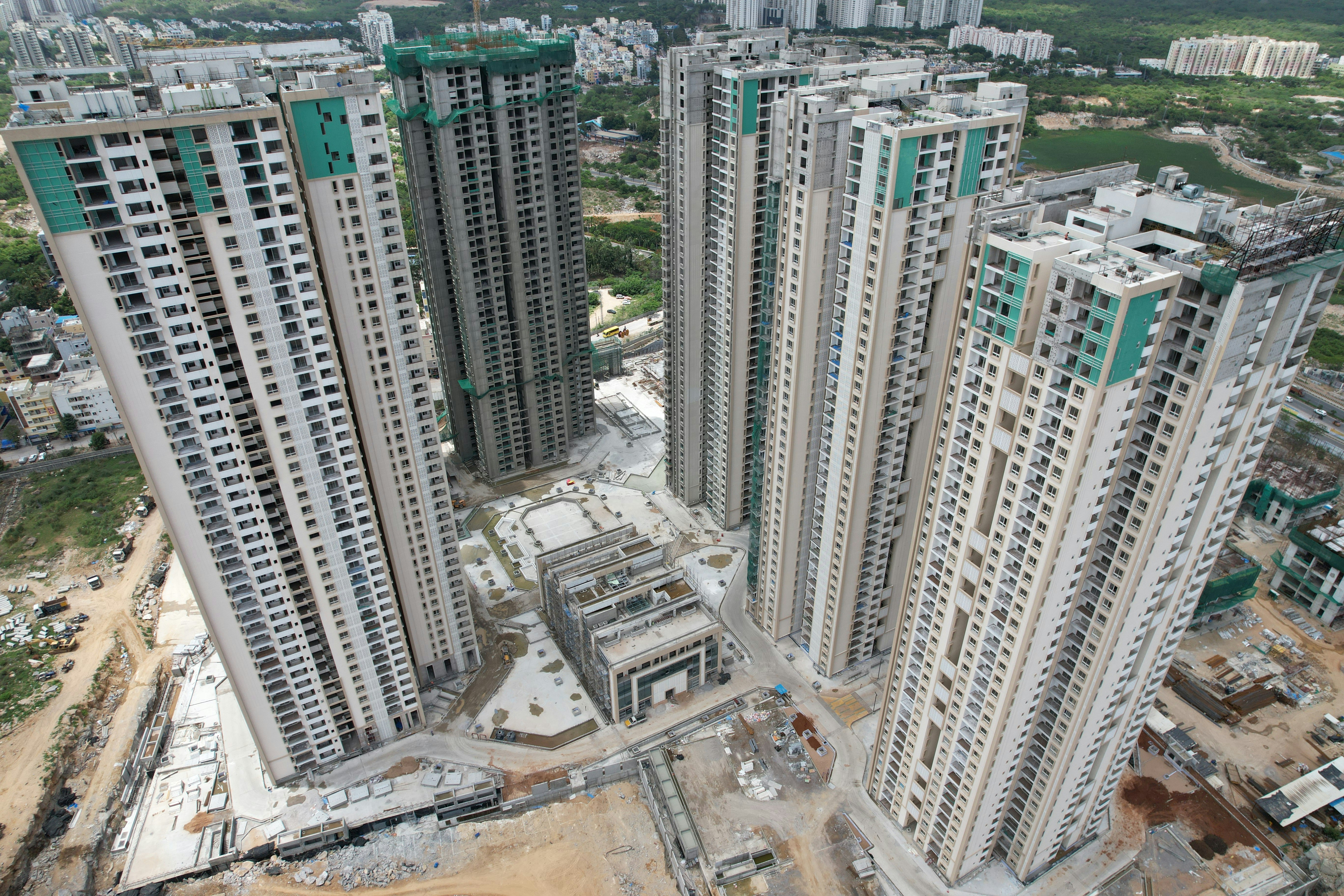
Crystal Ball: Key Trends for Real Estate Investors in 2026
As we move into 2026, investors should align their strategies with the evolving market landscape. The focus should be on long-term value creation rather than short-term speculation. Here are the key trends to track:
- The Ascent of Tier-II and Tier-III Cities: With massive government investment in infrastructure under initiatives highlighted by agencies like Invest India, cities like Jaipur, Lucknow, Coimbatore, and Visakhapatnam are emerging as the next engines of real estate growth. These cities offer higher rental yields and greater potential for capital appreciation.
- Alternative Asset Classes: Niche segments like senior living, student housing, and co-living are set to gain significant traction. These alternative assets cater to specific demographic needs and offer diversification benefits to an investment portfolio.
- Plotted Developments: The desire for customized homes has revived interest in plotted developments by reputed developers. These offer flexibility and a higher degree of personalization, making them an attractive long-term investment.
- Sustainability as a Core Value: Properties with green certifications (like LEED or IGBC) will command a premium. Investors should prioritize projects that integrate ESG (Environmental, Social, and Governance) principles, as they are likely to see better appreciation and attract high-quality tenants.
Conclusion: A Market Poised for Strategic Growth
India’s real estate story in 2026 will be one of strategic, mature growth. The speculative frenzy of the past has been replaced by value-driven decision-making from both buyers and investors. The priorities have been reset—space, wellness, technology, and developer credibility are the new pillars of the market.
For homebuyers, 2026 offers a chance to invest in a lifestyle, not just a property. For investors, the key to success will lie in identifying high-quality assets in emerging growth corridors and niche segments. By keeping a close watch on these evolving trends, stakeholders can make informed decisions in one of the world’s most exciting real estate markets.