India’s Real Estate Boom Set to Transform the Landscape
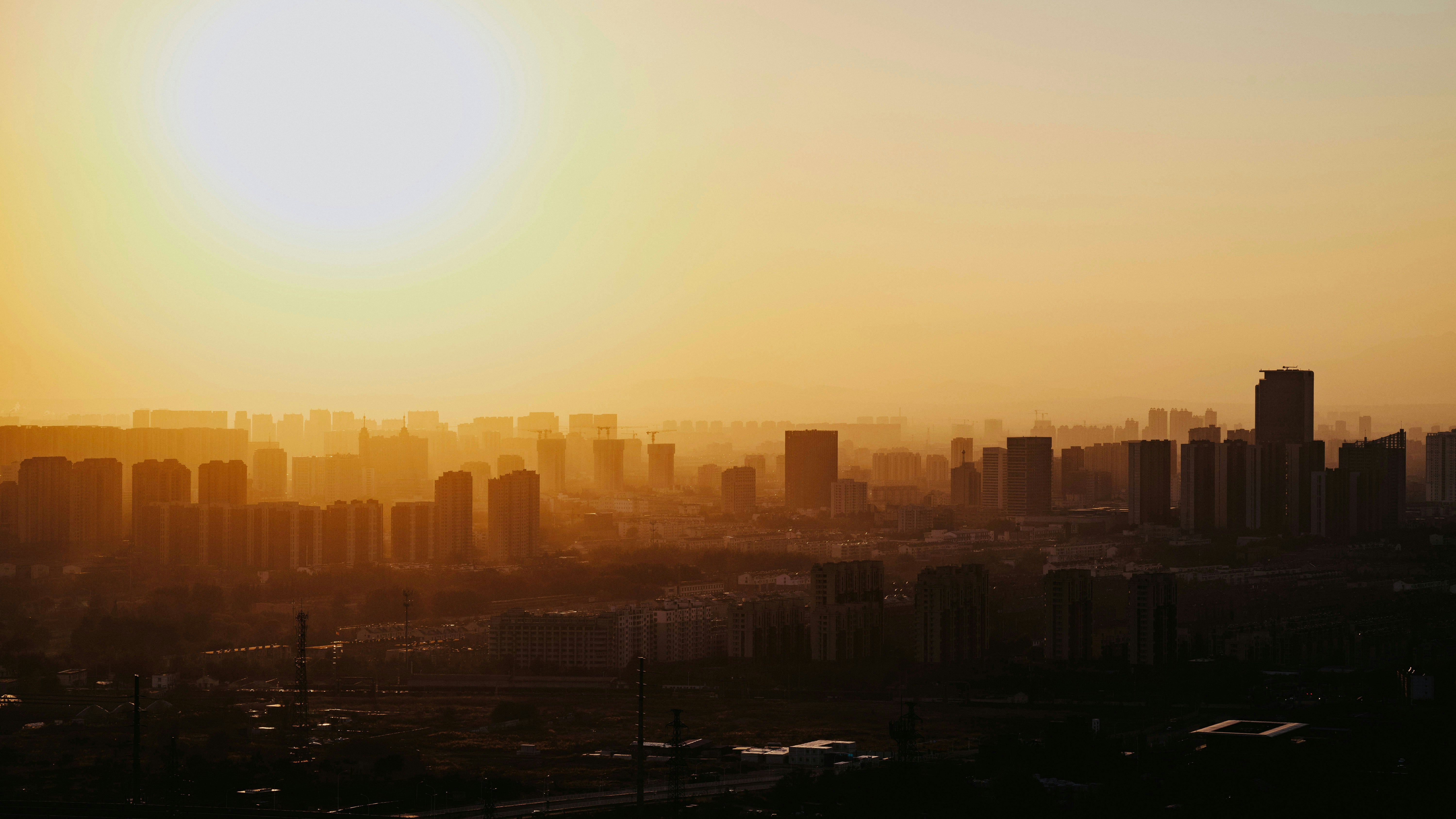
India’s skyline is not just changing; it’s transforming at a pace that signifies a new era of economic prosperity and architectural ambition. The Indian real estate sector, a cornerstone of the nation’s economy, is currently experiencing an unprecedented boom. With robust demand, increasing investment, and favorable government policies, the market is not just growing—it’s set to redefine India’s urban and economic landscape for decades to come.
Experts are optimistic, and the numbers support their confidence. Projections indicate a steady housing price appreciation of 5-10% annually, driven by a surge in demand from a rapidly urbanizing population and rising disposable incomes. A comprehensive joint report by CREDAI and Colliers, titled “India’s Real Estate Developed-Nation Status by 2047,” further validates this trend, forecasting a monumental surge in the market’s value to an astounding USD 5.8 trillion by 2047. Let’s delve into the factors driving this phenomenal growth and what it means for homebuyers and investors.
The Pillars of Growth: What’s Fueling the Real Estate Surge?
This real estate renaissance isn’t accidental. It’s built on several strong pillars working in synergy to create a robust and sustainable growth environment.
A Burgeoning Middle Class and Urban Expansion
At the heart of the demand for housing is India’s demographic dividend. A growing middle class, armed with higher disposable incomes and aspirational goals, is looking to invest in quality housing. Simultaneously, India is witnessing one of the largest urban migrations in history. As more people move to cities for better opportunities, the demand for residential and commercial properties in urban and semi-urban centers is skyrocketing. This fundamental shift is creating a strong, sustained demand that fuels property development across the country.
Proactive Government Policies and Infrastructure Focus
The Indian government has played a pivotal role in creating a conducive environment for real estate growth. The implementation of the Real Estate (Regulation and Development) Act, 2016 (RERA) has brought much-needed transparency, accountability, and efficiency to the sector, boosting buyer confidence. You can learn more about the act on the official RERA website. Initiatives like the Pradhan Mantri Awas Yojana (PMAY) have been instrumental in promoting affordable housing. Furthermore, a massive push for infrastructure development—including new highways, metro rail networks, and airports—is improving connectivity and unlocking the value of real estate in tier-2 and tier-3 cities.
A Magnet for Investment
The stability and high-growth potential of the Indian real estate market have made it an attractive destination for both domestic and international capital. Non-Resident Indians (NRIs) continue to be significant investors, viewing Indian property as both a sound investment and an emotional connection to their homeland. Moreover, institutional investors are pouring capital into the market through Real Estate Investment Trusts (REITs) and other structured investment vehicles, signaling strong faith in the sector’s long-term prospects.
Market Dynamics: Trends and Key Figures
The current market is characterized by incredible dynamism and record-breaking performance. Recent data highlights several key trends:
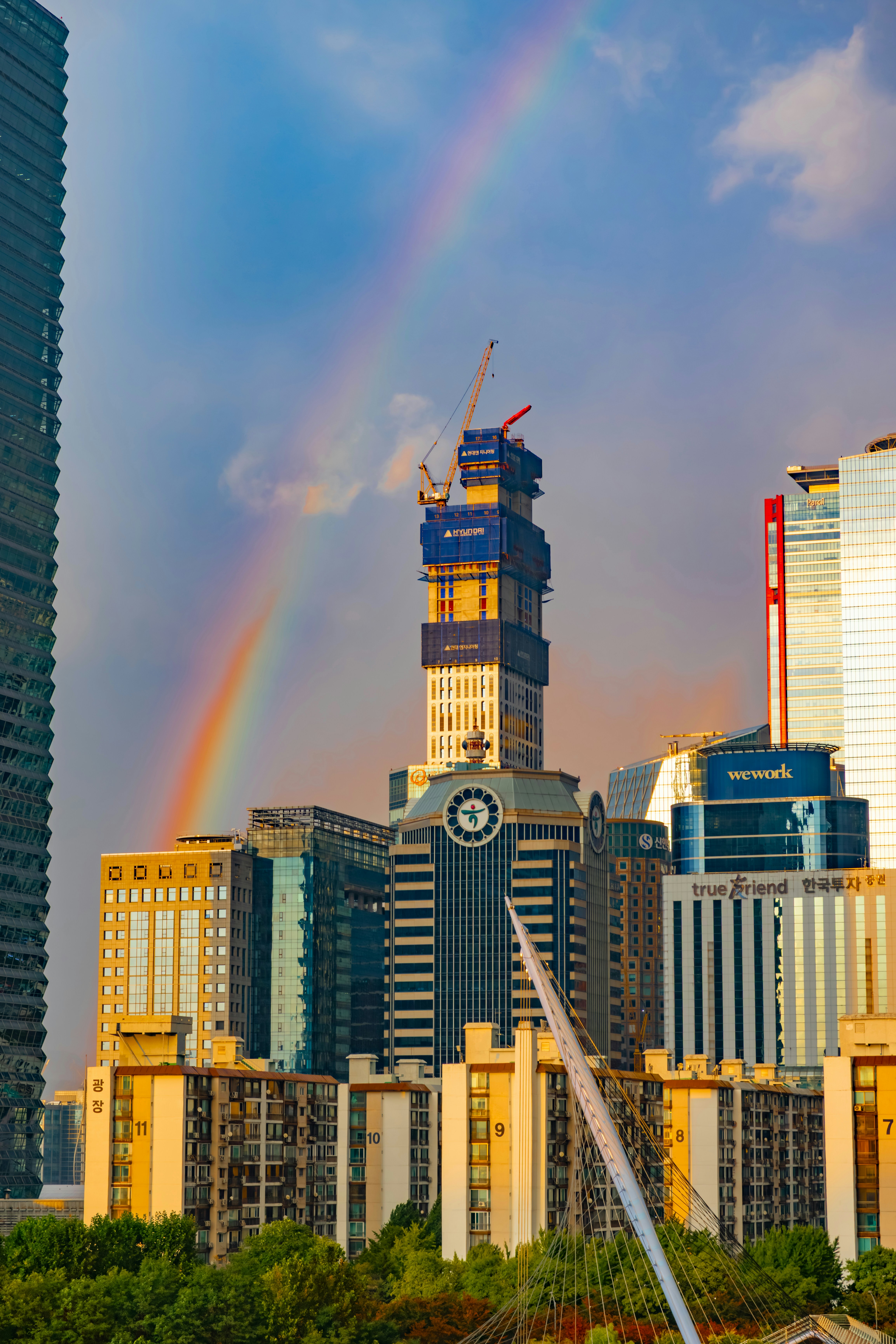
- Soaring Housing Sales: According to reports from major real estate consultancies, housing sales across the top seven cities hit record highs in recent quarters. This surge is not limited to affordable housing; the luxury segment has also witnessed remarkable growth, indicating a broad-based recovery and expansion.
- Consistent Price Appreciation: As noted by a Reuters poll of property experts, average housing prices are expected to continue their upward trajectory. This steady appreciation makes real estate a compelling asset class for wealth creation.
- The Rise of Tier-2 and Tier-3 Cities: While metropolitan hubs like Mumbai, Delhi-NCR, and Bengaluru continue to dominate, the real engines of future growth are emerging in smaller cities. Improved infrastructure and the spread of remote work culture are making these locations increasingly attractive for both living and investment.
The Road to 2047: A Multi-Trillion Dollar Vision
The long-term outlook is even more spectacular. The CREDAI-Colliers report projects that the real estate sector’s contribution to India’s GDP will rise to an impressive 15.5% by 2047, up from the current 7.3%. Reaching a market size of USD 5.8 trillion would mean that the sector will be a pivotal force in propelling India towards developed-nation status.
This journey will be facilitated by increasing financial sophistication in the market. The growing popularity of Real Estate Investment Trusts (REITs) and Fractional Ownership platforms is democratizing real estate investment, allowing smaller investors to participate in large-scale commercial and residential assets. These instruments offer liquidity, diversification, and professional management, making real estate more accessible than ever before.
What This Means for You
For Aspiring Homebuyers
While rising prices can seem daunting, the current market also offers greater transparency and better quality projects thanks to regulations like RERA. For those looking to buy their dream home, the key is to act decisively but prudently. With interest rates stabilizing and developers offering various incentives, now may be an opportune time to enter the market before the next wave of price appreciation.
For Astute Investors
For investors, the Indian real estate story is one of immense long-term potential. The projected growth offers a significant opportunity for capital appreciation. Diversifying investments across different property types (residential, commercial, warehousing) and geographies (metro, tier-2, tier-3 cities) can be a strategic way to maximize returns while mitigating risks.
The Future is Built on a Strong Foundation
The Indian real estate sector is standing on a foundation of strong economic fundamentals, favorable demographics, and forward-looking policies. It is no longer just about brick and mortar; it’s about creating sustainable communities, modern infrastructure, and lasting economic value. The boom we are witnessing is not a fleeting trend but a long-term transformation that will reshape India’s landscape and secure its position as a global economic powerhouse. Whether you are a homebuyer, an investor, or simply an observer, the message is clear: the future of Indian real estate is bright, and it’s being built today.