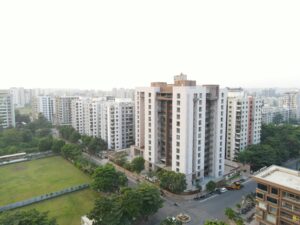
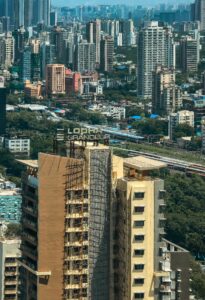
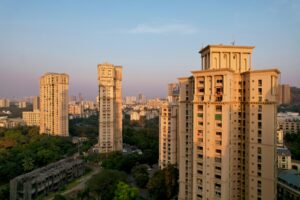
India’s real estate landscape is witnessing a seismic shift, with the luxury housing segment taking center stage. Once confined to the upscale localities of Mumbai and Delhi, the demand for premium properties is now surging across the country, creating new investment hotspots and rewriting the rules of the market. Driven by a confluence of economic growth, rising aspirations, and significant NRI investment, the luxury real estate boom is not just about opulent homes anymore—it’s about a fundamental lifestyle upgrade. This post delves into the latest trends, explores the dynamics between traditional hubs like Mumbai and emerging powerhouses like Noida, and unveils what the future holds for this high-growth sector.
The Unprecedented Surge in India’s Luxury Housing
The post-pandemic era has been a watershed moment for India’s luxury real estate market. According to a report by ANAROCK Research, the sales of luxury homes (properties priced above ₹1.5 crore) have skyrocketed. In 2023 alone, the top seven cities saw approximately 45,000 luxury units sold, a significant leap from previous years. This surge has continued into 2024, indicating a robust and sustained appetite for high-end properties.
This boom is not merely a numbers game; it reflects a deeper change in buyer psychology. Homebuyers are now prioritizing spaciousness, well-being, and exclusive amenities. The demand has shifted from basic accommodation to integrated living experiences that offer security, privacy, and a host of lifestyle facilities like private gyms, smart home automation, concierge services, and green spaces. This desire for a better quality of life has become a primary driver, pushing developers to innovate and deliver world-class projects.
Key Drivers Fueling the Luxury Real Estate Boom
Several factors are contributing to this phenomenal growth. Understanding them is key to seeing the full picture of the market’s potential.
- Robust Economic Growth and Wealth Creation: India is one of the fastest-growing major economies, leading to a significant increase in the number of High-Net-Worth Individuals (HNWIs) and Ultra-High-Net-Worth Individuals (UHNWIs). This affluent class is channeling its wealth into stable and appreciating assets like real estate.
- Surging NRI Investment: Non-Resident Indians (NRIs) are increasingly looking at India for real estate investment, buoyed by a favorable exchange rate and a desire to own a home in their country of origin. Cities like Delhi-NCR, Mumbai, and Bengaluru are top destinations for NRI capital.
- Aspiration for Upgraded Lifestyles: The global exposure of the Indian populace has elevated lifestyle aspirations. Luxury homes are now seen as a statement of success and a gateway to a secure, comfortable, and exclusive community.
- Real Estate as a Stable Asset: Amidst volatile financial markets, real estate, especially in the luxury segment, is considered a reliable investment that offers both capital appreciation and a hedge against inflation.
From Mumbai to Noida: A Tale of Two Real Estate Titans
The narrative of India’s luxury market is best told through its leading cities. While Mumbai continues to be the traditional bastion of luxury, Noida has emerged as a formidable contender, showcasing the market’s dynamic evolution.
Mumbai: The Enduring Financial Capital
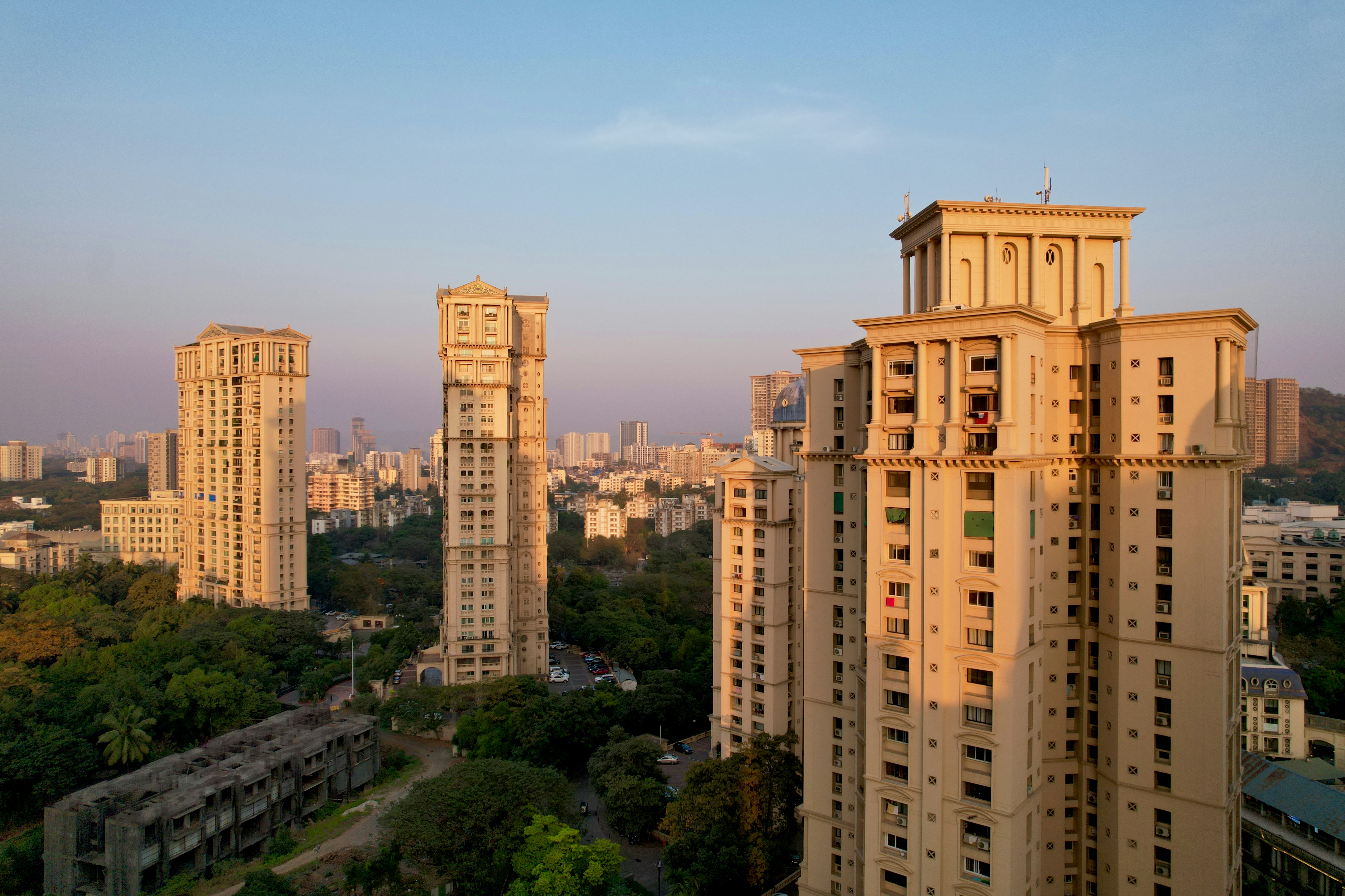
Mumbai’s luxury market is characterized by its prestige, exclusivity, and, consequently, its high price points. Localities like Malabar Hill, Bandra, and Worli have long been synonymous with ultra-luxury living. The demand here is driven by established business families, top corporate executives, and celebrities. Despite space constraints and sky-high valuations, Mumbai’s appeal remains undiminished due to its status as India’s financial hub and the limited supply of premium properties, which ensures strong asset appreciation. According to a Knight Frank report, Mumbai consistently ranks among the top global cities for luxury real estate price growth.
Noida: The Rise of a Modern Metropolis
In contrast, Noida, as part of the Delhi-NCR region, represents the new face of Indian luxury. Its rise is built on modern infrastructure, well-planned sectors, and the availability of larger, more contemporary properties at competitive prices. The Noida-Greater Noida Expressway has become a corridor of luxury, with developers launching ambitious projects featuring golf courses, sprawling green landscapes, and state-of-the-art amenities.
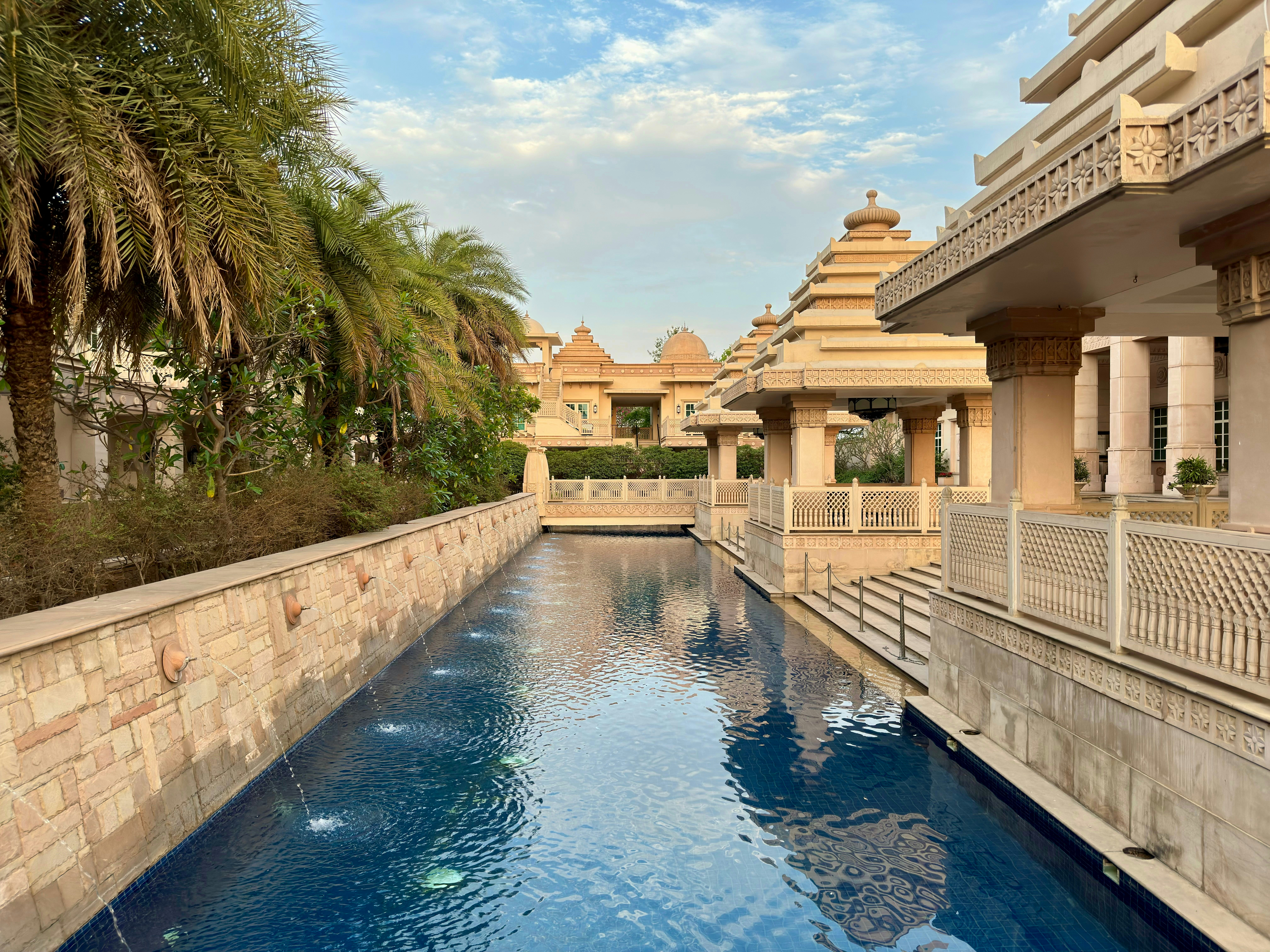
Noida attracts a different profile of luxury buyers—successful startup founders, tech professionals, and senior management from multinational corporations. The promise of a better work-life balance, combined with excellent connectivity to Delhi and the upcoming Jewar International Airport, has made Noida a preferred destination for those seeking value without compromising on luxury.
Beyond the Metros: The New Frontiers of Luxury
The luxury wave is expanding beyond Mumbai and NCR. Several other cities are carving a niche for themselves as high-growth luxury housing markets:
- Hyderabad: Fueled by its booming IT and pharmaceutical sectors, Hyderabad has seen a massive surge in demand for luxury villas and high-end apartments. The city’s relatively affordable property prices and high quality of life make it an attractive market.
- Bengaluru: As India’s startup capital, Bengaluru has a high concentration of affluent millennials and tech entrepreneurs driving demand for smart, sustainable, and amenity-rich luxury homes.
- Pune: Often seen as an extension of the Mumbai market, Pune has its own robust demand drivers, including its IT hub status and strong manufacturing base. Luxury projects in areas like Koregaon Park and Kalyani Nagar continue to attract significant investment.
What’s Next? The Future of Luxury Housing in 2025 and Beyond
The outlook for India’s luxury housing market remains exceptionally bright. The momentum is expected to continue, driven by strong economic fundamentals and evolving consumer preferences. Key trends that will shape the market moving into 2025 include:
- Branded Residences: Collaborations between developers and international luxury brands (like Marriott, Four Seasons) are on the rise, offering a unique blend of hospitality and residential living.
- Sustainability and Wellness: Eco-friendly buildings, green certifications, and projects centered around wellness are becoming major selling points for discerning buyers.
- Technology Integration: Prop-tech will play an even bigger role, with smart homes, AI-powered security, and virtual property tours becoming standard features in the luxury segment.
In conclusion, India’s luxury housing market is in the midst of a transformative boom. From the established allure of Mumbai to the modern dynamism of Noida and the rapidly growing potential of cities like Hyderabad and Bengaluru, the opportunities for both homebuyers and investors are immense. As wealth continues to grow and aspirations soar, the demand for high-end living experiences will only intensify, making luxury real estate one of the most exciting sectors to watch in the Indian economy.