The Indian real estate market presented a fascinating paradox in 2025. While the total number of housing units sold saw a moderate decline compared to the post-pandemic highs, the overall sales value climbed, painting a picture of a market in transition. As developers and homebuyers look toward 2026, a confluence of positive economic indicators is setting the stage for a significant revival, even as different segments of the market tell vastly different stories.
While 2025 may be remembered as a year of consolidation, the underlying fundamentals of the residential sector remained robust, driven by a distinct shift in consumer preferences. This adjustment period has been crucial in recalibrating market expectations and paving the way for what experts predict will be a strong rebound.
The 2025 Paradox: Unpacking the Numbers
At first glance, a dip in sales volume might suggest a cooling market. However, a deeper dive into the data reveals a more nuanced reality. According to industry analysis, the total value of homes sold across India’s top cities in 2025 surpassed previous benchmarks. This intriguing trend is attributed to two primary factors: a consistent rise in average property prices and a significant pivot by homebuyers towards larger, premium properties.
Post-pandemic, the demand for more spacious homes with better amenities has not waned. Homebuyers are increasingly prioritizing quality of life, leading to higher-value transactions. This shift effectively compensated for the lower volume of units sold, pushing the market’s aggregate value to new heights. The market has matured from being purely volume-driven to being value-driven.
A Tale of Two Segments: Luxury Thrives, Affordable Dives
The story of 2025 is sharply divided between the luxury and affordable housing segments. The performance gap between the two has never been wider, highlighting evolving economic realities and consumer aspirations.
The Unstoppable Luxury Wave
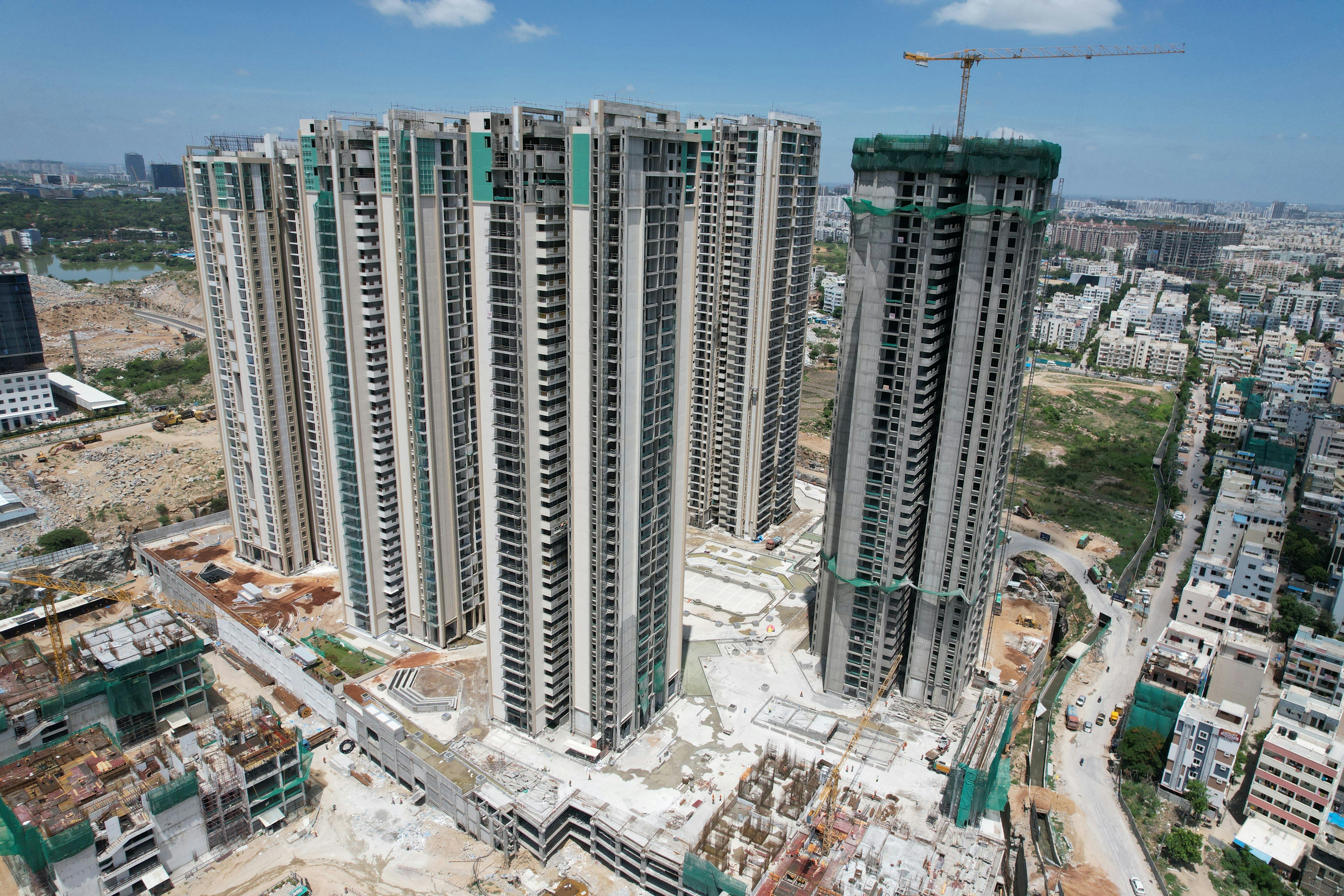
The luxury housing segment (properties priced above ₹1.5 crore) was the undisputed star of 2025. It witnessed a remarkable surge in demand, with sales in this category growing by a significant margin. High-net-worth individuals (HNIs) and upwardly mobile professionals continued to invest in high-end properties, viewing them as both stable assets and lifestyle upgrades. Cities like Mumbai, Delhi-NCR, and Bengaluru led this luxury boom, with developers launching opulent projects to cater to this discerning clientele.
The Strain on Affordable Housing
In stark contrast, the affordable housing segment (properties priced below ₹40 lakh) remained under considerable pressure. Its share in the overall housing market continued to shrink for several reasons:
- Rising Input Costs: Increased prices for essential raw materials like steel and cement have squeezed developer margins in this price-sensitive category.
- Land Prices: High land acquisition costs in and around urban centers make it economically unviable for developers to build and sell affordable homes.
- Shifting Buyer Power: While demand exists, the target demographic for affordable housing has been disproportionately affected by economic pressures and rising interest rates, impacting their purchasing power. For more insights on this sector, leading real estate consultancies like ANAROCK Property Consultants provide in-depth reports.
The Unsung Hero: Commercial Real Estate’s Stellar Year
While the residential market navigated its complex dynamics, the commercial real estate (CRE) sector was a beacon of exceptional growth. Attracting significant domestic and foreign investment, the CRE market demonstrated remarkable resilience and expansion.
Office space leasing, in particular, had a banner year. Gross office absorption across the top metropolitan areas reached near-record levels, driven by the expansion of Global Capability Centers (GCCs), IT firms, and domestic corporations. This robust demand signals strong business confidence in the Indian economy.
Furthermore, allied sectors like warehousing and logistics experienced a boom, fueled by the sustained growth of e-commerce and a governmental push for manufacturing. This comprehensive growth underscores the strength and attractiveness of India as a global business hub.
Looking Ahead: Why 2026 Holds the Key to Revival
Developers and market analysts are bullish about 2026, and for good reason. Several macroeconomic factors are aligning to create a favorable environment for a broad-based housing market recovery.
- Softer Mortgage Rates: There is widespread expectation that the Reserve Bank of India (RBI) may begin cutting its key policy rates in 2026. Any reduction in the repo rate would translate directly to lower home loan EMIs, significantly boosting affordability and encouraging fence-sitters to enter the market.
- Robust Economic Growth: India is projected to remain the world’s fastest-growing major economy. Projections from institutions like the World Bank indicate strong GDP growth, which typically leads to higher disposable incomes and greater consumer confidence—essential ingredients for a healthy housing market.
- Anticipated Government Support: The real estate industry is hopeful for supportive measures in the upcoming Union Budget. Key among the expectations is a potential increase in the tax deduction limit for home loan interest under Section 24(b) of the Income Tax Act, which would provide direct financial relief to homebuyers.
What This Means for You
For Homebuyers:
If you are planning to buy a home, 2026 could present a golden opportunity. The potential for lower interest rates combined with a market that has already consolidated could offer a favorable entry point. Keep a close watch on RBI announcements and new project launches in your preferred micro-markets.
For Investors:
For those looking to invest, the trends from 2025 offer clear guidance. The premium residential segment continues to be a stable bet with appreciation potential. However, the real growth story lies in commercial real estate, including office spaces and warehousing, which promises strong rental yields and capital appreciation.
Conclusion: A Market Poised for a Comeback
In summary, 2025 was a year of correction and realignment for the Indian housing market. It highlighted a structural shift towards value over volume and exposed the deep divide between the luxury and affordable segments. Far from being a downturn, this phase has set a stronger, more mature foundation for the future.
With strong economic growth, anticipated policy support, and the prospect of more affordable credit, 2026 is poised to be a year of revival and robust growth. The Indian real estate story is not just intact; it’s gearing up for its next chapter.