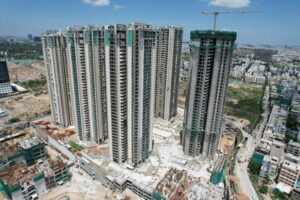
The Indian real estate sector witnessed a paradoxical trend in 2025. While the total number of housing units sold across major cities saw a noticeable decline, the overall market value recorded significant gains. This intriguing situation was largely fueled by robust performance in the luxury segment, even as affordable housing struggled to find its footing. As developers and stakeholders look toward 2026, a sense of cautious optimism prevails, banking on strong economic indicators and potential policy support for a market revival.
The 2025 Housing Market: A Contradictory Landscape
In 2025, the Indian housing market presented a complex picture. Reports from leading property consultants indicated a year-over-year drop in sales volume. This decline is attributed to a combination of factors, including persistent inflation and higher interest rates in the first half of the year, which dampened sentiment among middle-income and first-time homebuyers. Many potential buyers in the affordable and mid-range segments adopted a ‘wait-and-see’ approach, anticipating more favorable market conditions.
However, the story of the market’s value tells a different tale. Despite selling fewer units, the total value of homes sold increased. This was primarily driven by a surge in demand for luxury and premium properties. High-net-worth individuals (HNIs) and NRIs continued to invest heavily in high-end real estate, viewing it as a stable asset class amidst global economic uncertainties. This shift in demand has led to a significant appreciation in property values in the luxury category, thereby pushing the overall market value upward.
Luxury Real Estate’s Unprecedented Boom
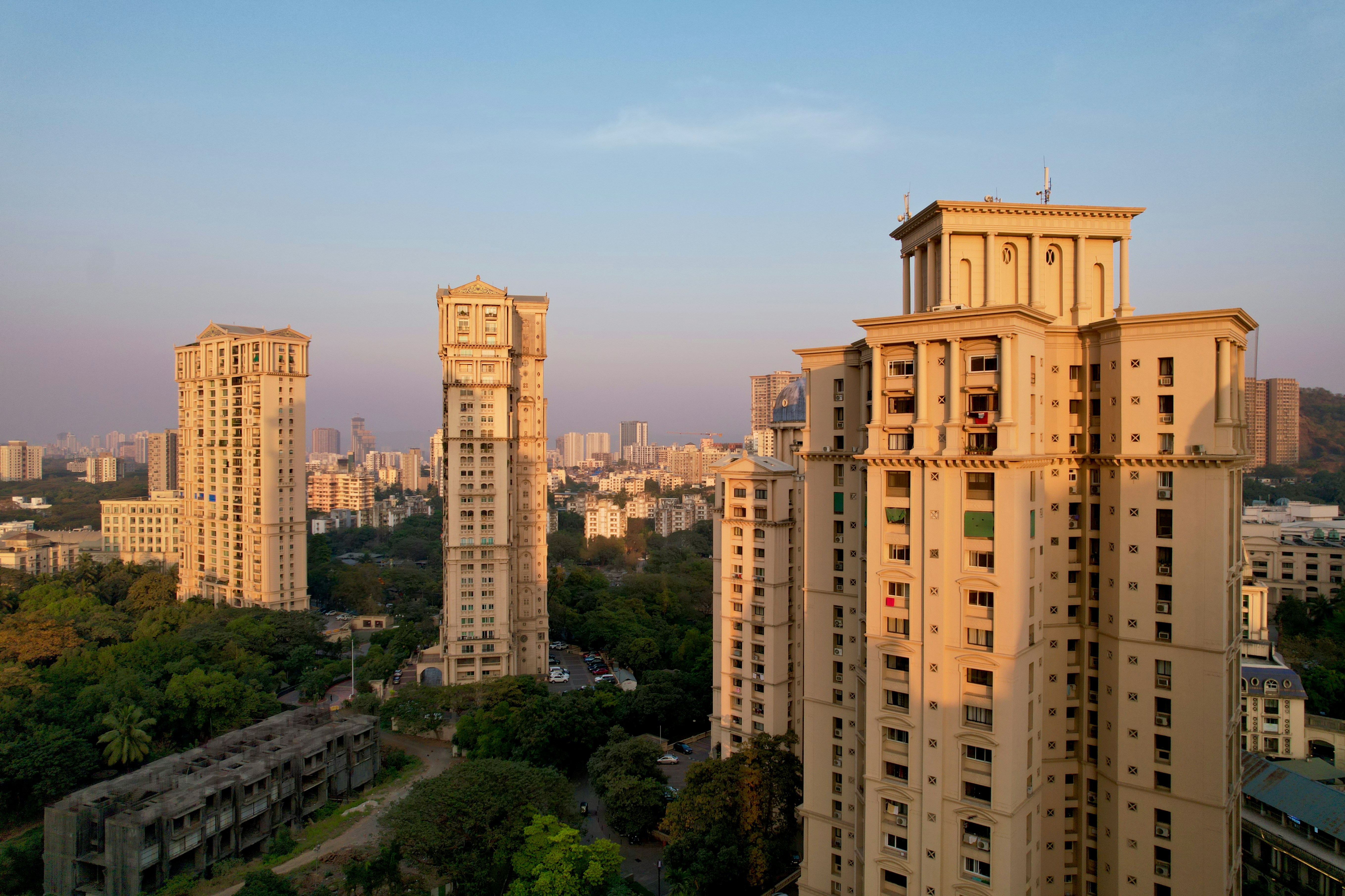
The luxury housing segment was the undisputed star of 2025. Cities like Mumbai, Delhi-NCR, Bengaluru, and Hyderabad witnessed a flurry of new launches in the premium category, which were met with enthusiastic buyer interest. According to a report from Knight Frank India, properties priced above ₹2 crore saw the highest sales velocity.
This boom can be attributed to a growing desire for more spacious homes with better amenities, a trend that has accelerated post-pandemic. Wealthy buyers are increasingly seeking properties that offer exclusivity, security, and a high-quality lifestyle. The apathetic performance of other investment avenues also redirected a significant flow of capital into luxury real estate.
The Struggle in the Affordable Housing Sector
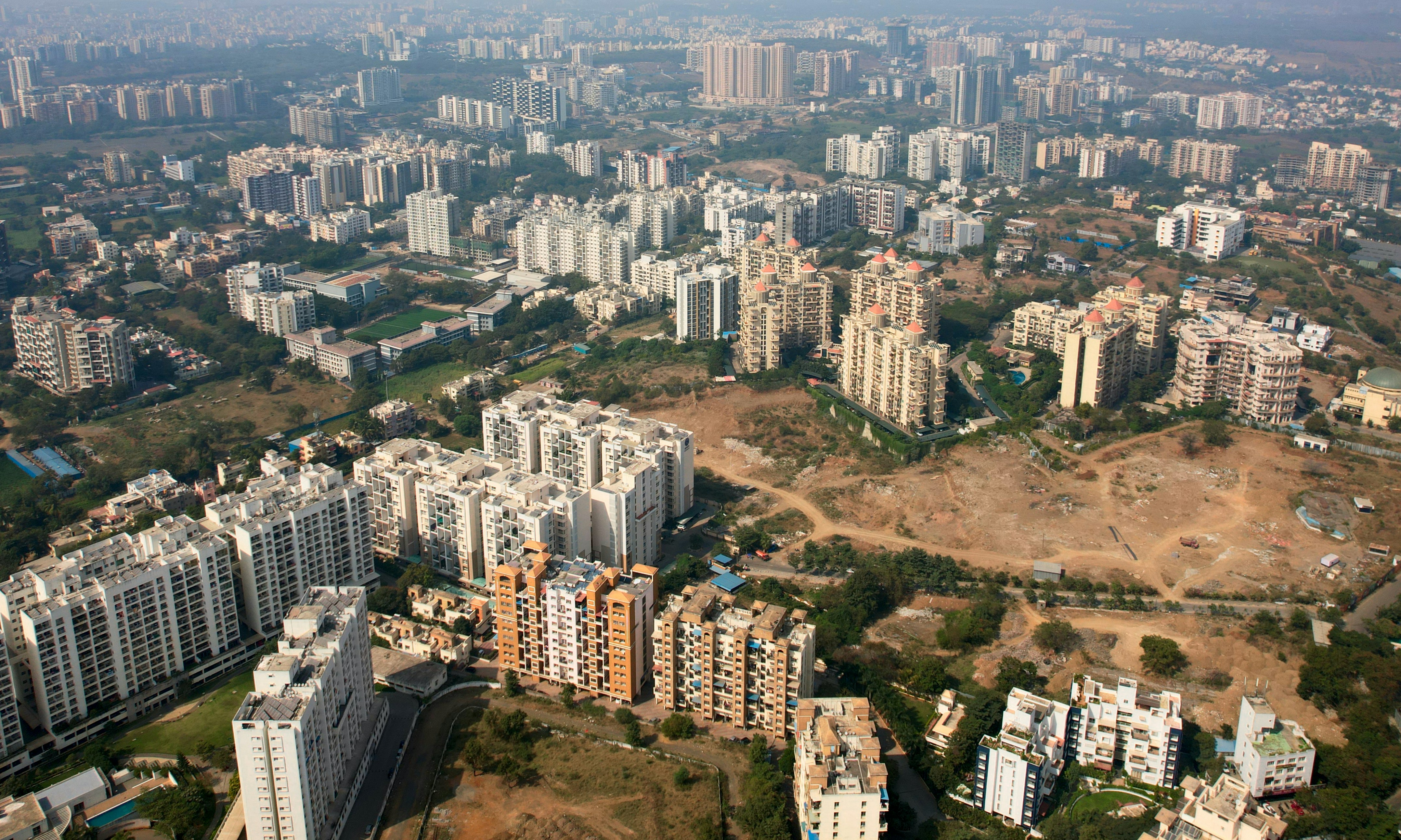
In stark contrast to the luxury market, the affordable housing segment remained under considerable pressure throughout 2025. This segment, typically a high-volume driver of the real estate market, faced several headwinds:
- Rising Input Costs: Increased costs of essential raw materials like steel and cement squeezed developer margins, making it difficult to launch projects at affordable price points.
- Economic Pressures on Buyers: The target demographic for affordable housing was the most affected by rising living costs and interest rates, leading to a curtailment of discretionary spending and postponement of home-buying decisions.
- Liquidity Issues: Some developers in this space continued to face challenges in securing financing for their projects.
The government’s focus on ‘Housing for All’ remains a pivotal long-term goal, but the immediate challenges of 2025 have slowed momentum. Industry bodies like CREDAI have been advocating for further government intervention, such as revising the price caps for affordable housing to reflect current market realities.
Commercial Real Estate: The Star Performer of 2025
While the residential market navigated its ups and downs, the commercial real estate (CRE) sector showed exceptional resilience and growth. India’s position as a global hub for IT, manufacturing, and R&D continued to drive demand for high-quality office spaces. Gross leasing volumes for Grade-A offices remained strong across the top metropolitan areas. Furthermore, sectors like warehousing, logistics, and data centers attracted significant institutional and foreign investment, reflecting the country’s robust digital and economic expansion.
A Brighter Horizon: What to Expect in 2026
Developers and market analysts are optimistic about a broad-based revival in 2026. This positive outlook is anchored in several key macroeconomic factors:
- Anticipated Lower Mortgage Rates: With inflation showing signs of cooling, there is widespread expectation that the Reserve Bank of India (RBI) may begin to lower the repo rate in 2026. Any reduction in borrowing costs will directly translate to more affordable EMIs, providing a significant boost to housing demand, especially in the affordable and mid-income segments.
- Strong GDP Growth: India is projected to remain one of the world’s fastest-growing major economies. A strong GDP growth forecast, as highlighted by institutions like The World Bank, bolsters consumer confidence and enhances purchasing power, which are critical for a healthy real estate market.
- Potential Policy Support: The real estate industry is hopeful for favorable announcements in the upcoming Union Budget. Measures could include enhanced tax deductions for home loans or a re-evaluation of the GST structure for under-construction properties, which could rejuvenate buyer sentiment.
Navigating the Future of Indian Real Estate
In conclusion, 2025 was a year of recalibration for the Indian real estate market. It highlighted a structural shift where value, driven by luxury properties, overshadowed volume. While the struggles of the affordable housing segment are a cause for concern, the exceptional performance of the commercial sector and the unabated demand in the luxury space underscore the market’s inherent strength. As we move into 2026, the confluence of stabilizing interest rates, robust economic growth, and anticipated government support sets a promising stage for a more balanced and widespread recovery across all segments of the housing market.