IIFL Home Finance Secures $300 Million to Bolster Affordable Housing for Women
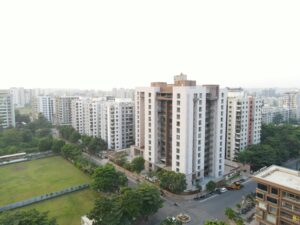
In a significant move to address India’s housing deficit, IIFL Home Finance Ltd. has successfully secured $300 million in funding through a landmark agreement with the Asian Development Bank (ADB). This strategic partnership is poised to expand access to affordable and green housing for thousands of low-income families, with a dedicated focus on empowering women through homeownership.
The agreement marks IIFL Home Finance’s first syndicated external commercial borrowing (ECB) and underscores a growing momentum in public-private partnerships aimed at achieving the nation’s “Housing for All” vision. The capital infusion will directly finance housing loans for economically weaker sections (EWS) and low-income groups, catalysing social and economic progress across the country.
Addressing India’s Critical Housing Deficit
India faces a persistent and significant housing shortage, particularly in the urban sector. According to estimates referenced by government bodies like NITI Aayog, the gap runs into millions of units, leaving a large segment of the population without safe and adequate shelter. This challenge disproportionately affects low-income households, who struggle with limited access to formal credit and a lack of affordable housing options.
The Government of India’s flagship Pradhan Mantri Awas Yojana (PMAY) has made substantial strides in bridging this gap. However, the scale of the problem necessitates robust participation from the private sector. The collaboration between IIFL Home Finance and ADB is a prime example of how private financial institutions can channel international capital to meet national development goals, supplementing governmental efforts and accelerating progress.
A Closer Look at the $300 Million Partnership
This funding arrangement is structured to maximise its impact. It includes a direct loan of up to $100 million from ADB and an additional $200 million in co-financing from other international development and financial institutions. This syndicated structure not only provides a substantial amount of capital but also signals strong international confidence in India’s affordable housing sector.
Monu Ratra, CEO of IIFL Home Finance, highlighted the significance of the deal, stating that the partnership will help the company provide more home loans to underserved communities, thereby making a tangible difference in their lives. According to an official ADB press release, the funds will be instrumental in improving the quality of life for vulnerable populations by providing them with access to better living conditions and essential services.
Empowering Women Through Homeownership
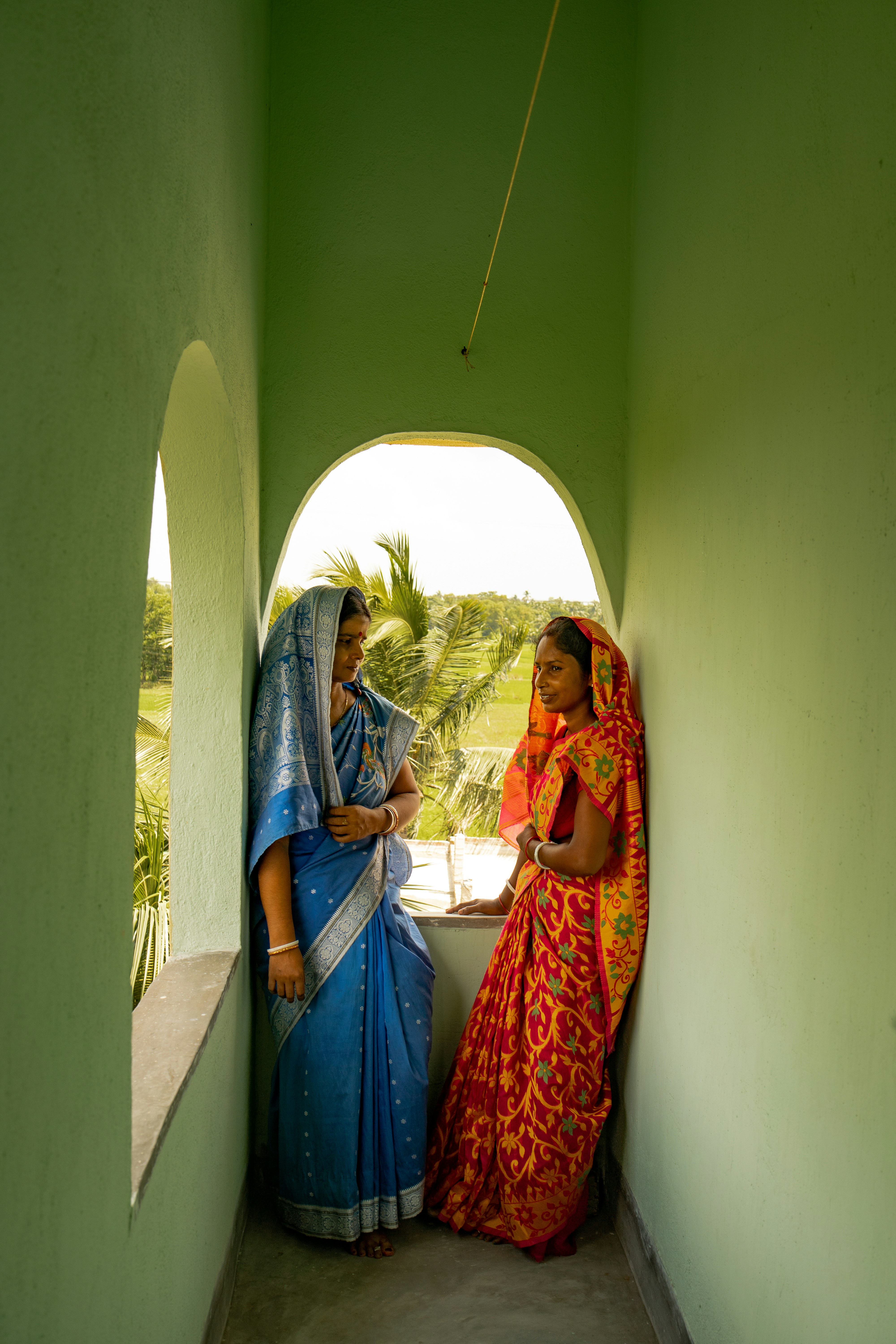
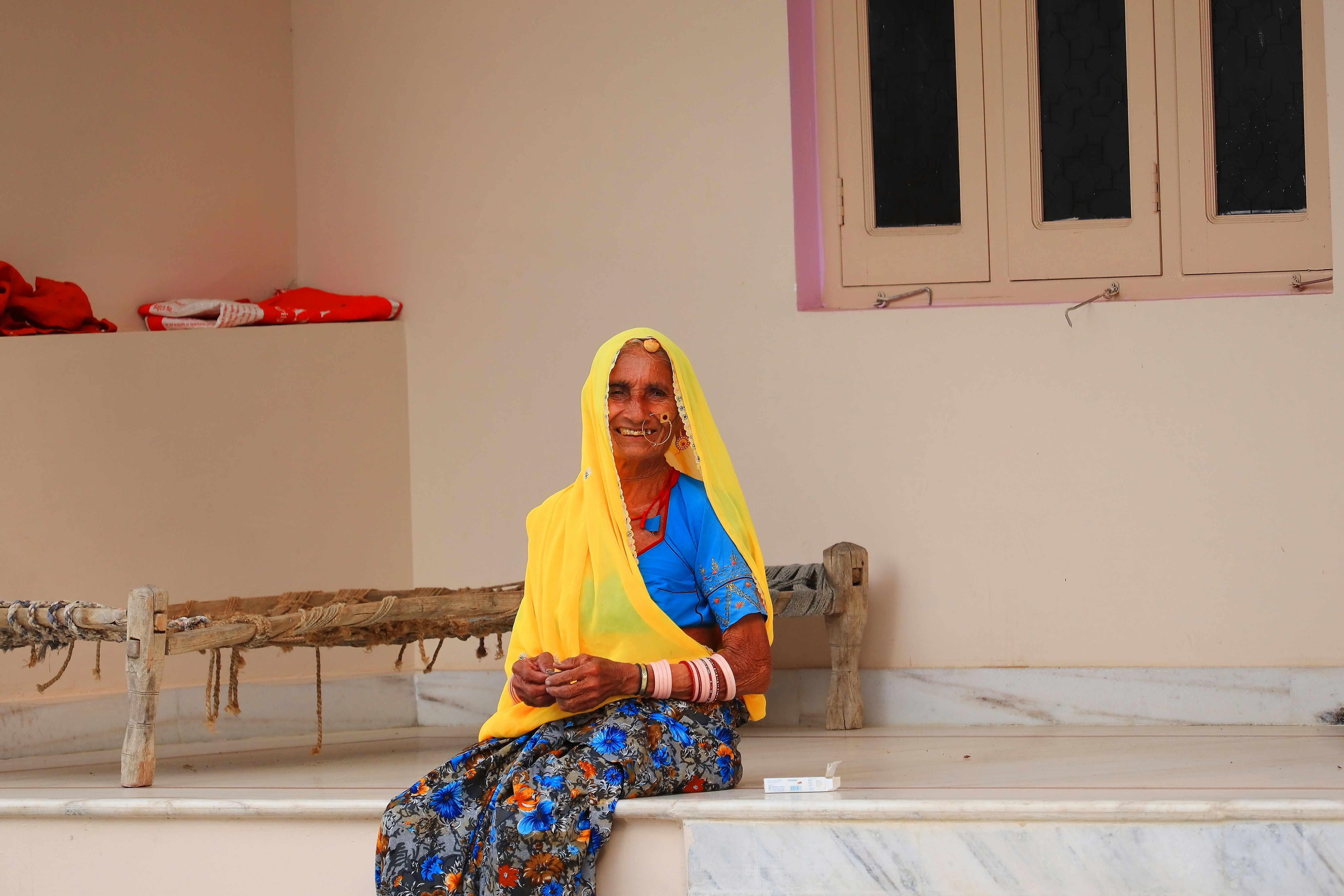
A standout feature of this initiative is its sharp focus on women borrowers. In India, property ownership among women has historically been low, limiting their financial security and social standing. By prioritising lending to women, IIFL Home Finance and ADB are not just providing housing but are also fostering female empowerment and gender equality.
Homeownership provides women with a critical financial asset, enhances their decision-making power within the household, and offers a greater sense of security. IIFL Home Finance has already demonstrated a strong commitment in this area, with a significant portion of its loan portfolio serving female borrowers. This new funding will further strengthen that commitment, ensuring that at least 80% of the direct ADB loan is allocated to women borrowers or co-borrowers.
The Push for Green and Sustainable Construction
Beyond affordability, the initiative places a strong emphasis on sustainability. The funds are earmarked for financing “green-certified” homes, which adhere to specific environmental standards for energy efficiency, water conservation, and sustainable materials. This aligns with India’s climate change goals and the growing need for climate-resilient housing.
Homes built to green standards, often certified by bodies like the Indian Green Building Council (IGBC), offer numerous benefits to homeowners, including:
- Lower Utility Bills: Enhanced energy and water efficiency lead to significant long-term savings.
- Improved Health and Well-being: Better ventilation, natural light, and the use of non-toxic materials create a healthier living environment.
- Increased Property Value: Green homes are increasingly sought after, often commanding a higher value in the real estate market.
By promoting the construction and purchase of sustainable homes, this partnership contributes to a greener future while delivering immediate financial and health benefits to low-income families.
The Broader Impact on India’s Economy
The infusion of $300 million into the affordable housing sector is expected to have a ripple effect across the Indian economy. The construction industry is a major driver of employment, and this investment will create jobs for both skilled and unskilled labour. It will also stimulate demand in ancillary industries such as cement, steel, and transportation.
Ultimately, this collaboration between IIFL Home Finance and the Asian Development Bank is more than just a financial transaction. It is a strategic investment in India’s future—one that promises more equitable growth, greater social stability, and a more sustainable environment. By focusing on the intertwined goals of affordability, gender equality, and green development, the initiative sets a new benchmark for responsible finance in the housing sector.
Frequently Asked Questions (FAQs)
1. What is the main objective of the IIFL-ADB loan agreement?
The primary goal is to increase access to affordable housing finance for low-income families in India. The $300 million loan will be used by IIFL Home Finance to provide home loans, with a special emphasis on empowering women borrowers and promoting the construction of green, sustainable homes.
2. Why is there a specific focus on women borrowers in this initiative?
The initiative focuses on women to promote gender equality and financial inclusion. Property ownership enhances a woman’s financial security, social status, and decision-making power. By earmarking a significant portion of the loans for women, the program aims to address historical gender disparities in asset ownership.
3. What qualifies as “green and sustainable” housing under this program?
Green and sustainable housing refers to homes that are designed and constructed to minimise their environmental impact. This typically involves meeting specific certification standards for energy efficiency, water conservation, use of eco-friendly materials, and ensuring healthy indoor air quality, leading to lower utility costs and a healthier living environment.
4. How does this loan support the Indian government’s housing goals?
This loan directly supports the Indian government’s “Housing for All” mission, particularly the Pradhan Mantri Awas Yojana (PMAY). By injecting private capital into the affordable housing sector, it supplements government efforts to reduce the national housing deficit and provides the necessary financing for economically weaker sections to purchase homes.
5. What is an External Commercial Borrowing (ECB) and why is it significant here?
An External Commercial Borrowing (ECB) is a type of loan or debt instrument availed by an Indian entity from a non-resident lender, typically in foreign currency. For IIFL Home Finance, this being its first syndicated ECB is significant as it demonstrates the company’s ability to attract substantial international funding and reflects global investor confidence in its mission.