The dream of owning a home in India is becoming more attainable than ever before. A groundbreaking analysis by global real estate consultant Colliers reveals a remarkable improvement in housing affordability over the last decade and a half. Driven by robust income growth that has outstripped property price appreciation, the Indian housing market is now significantly more accessible to the average household.
According to the report, the average price-to-income ratio, a key metric for affordability, is projected to fall to 45.3 by 2025. This marks a staggering drop from 88.5 back in 2010. In simpler terms, it would take an average household roughly 45 times its annual income to purchase a home in 2025, compared to nearly 89 times in 2010. This transformative shift underscores a healthier, more mature real estate market, making it an opportune time for prospective homebuyers.

The Engine Room: What’s Driving This Positive Change?
This impressive improvement in housing affordability isn’t a random occurrence; it’s the result of several powerful economic and policy-driven factors working in tandem. Understanding these drivers is key to appreciating the current state and future potential of India’s real estate sector.
- Strong Income Growth: The primary driver has been India’s consistent economic growth, which has led to a significant rise in household incomes. As salaries and disposable incomes have grown faster than property values, the relative cost of owning a home has decreased. This trend is supported by data from institutions like the World Bank, which tracks India’s steady GDP and per capita income growth.
- Stable Property Prices & Market Maturity: While property prices have increased, they have done so at a much more moderate pace compared to the income surge. The market has undergone periods of correction and stability, preventing the formation of pricing bubbles seen in previous decades. This stability has been crucial for keeping homes within reach.
- Favorable Interest Rate Regime: For a significant period, the Reserve Bank of India (RBI) has maintained a relatively low repo rate, which directly translates to more affordable home loan EMIs. Lower borrowing costs have provided a major incentive for buyers, expanding the pool of eligible homebuyers. You can follow the latest policy rates on the RBI’s official website.
- Government Initiatives: Proactive government policies have played a pivotal role. The Pradhan Mantri Awas Yojana (PMAY), launched to provide “Housing for All,” has given a massive push to the affordable housing segment through subsidies and incentives. Furthermore, tax deductions on home loan interest and principal repayments have further sweetened the deal for first-time buyers.
- Expansion of Credit: The increased willingness of banks and Non-Banking Financial Companies (NBFCs) to extend housing finance has been instrumental. Easier access to credit, coupled with innovative loan products, has empowered a larger segment of the population to pursue homeownership.
Beyond the City Center: Infrastructure’s Role in Unlocking New Markets
Another critical factor reshaping India’s housing landscape is the unprecedented government focus on infrastructure development. The creation of new highways, expressways, metro rail networks, and economic corridors is unlocking the potential of peripheral and suburban areas across the country.
These once-distant locales are now becoming viable and attractive residential destinations. As connectivity improves, travel times to central business districts reduce, making these areas a practical choice for homebuyers. Developments like the Delhi-Mumbai Expressway and the expansion of metro lines in cities like Bengaluru, Pune, and Hyderabad are prime examples. These new growth corridors offer more spacious and affordable housing options, helping to ease the pricing pressure on city centers and improve overall market affordability.
A City-Wise Perspective: Affordability Across India
While the national trend is positive, affordability varies across different cities. This is also confirmed by other leading studies, such as the Knight Frank Affordability Index, which measures the EMI-to-income ratio. According to recent analyses, some cities stand out for their superior affordability.
- Most Affordable: Typically, cities like Ahmedabad, Pune, and Chennai have consistently ranked as some of the most affordable major housing markets in India.
- Moderately Affordable: The National Capital Region (NCR) and Bengaluru offer moderate affordability, having seen significant improvements over the years.
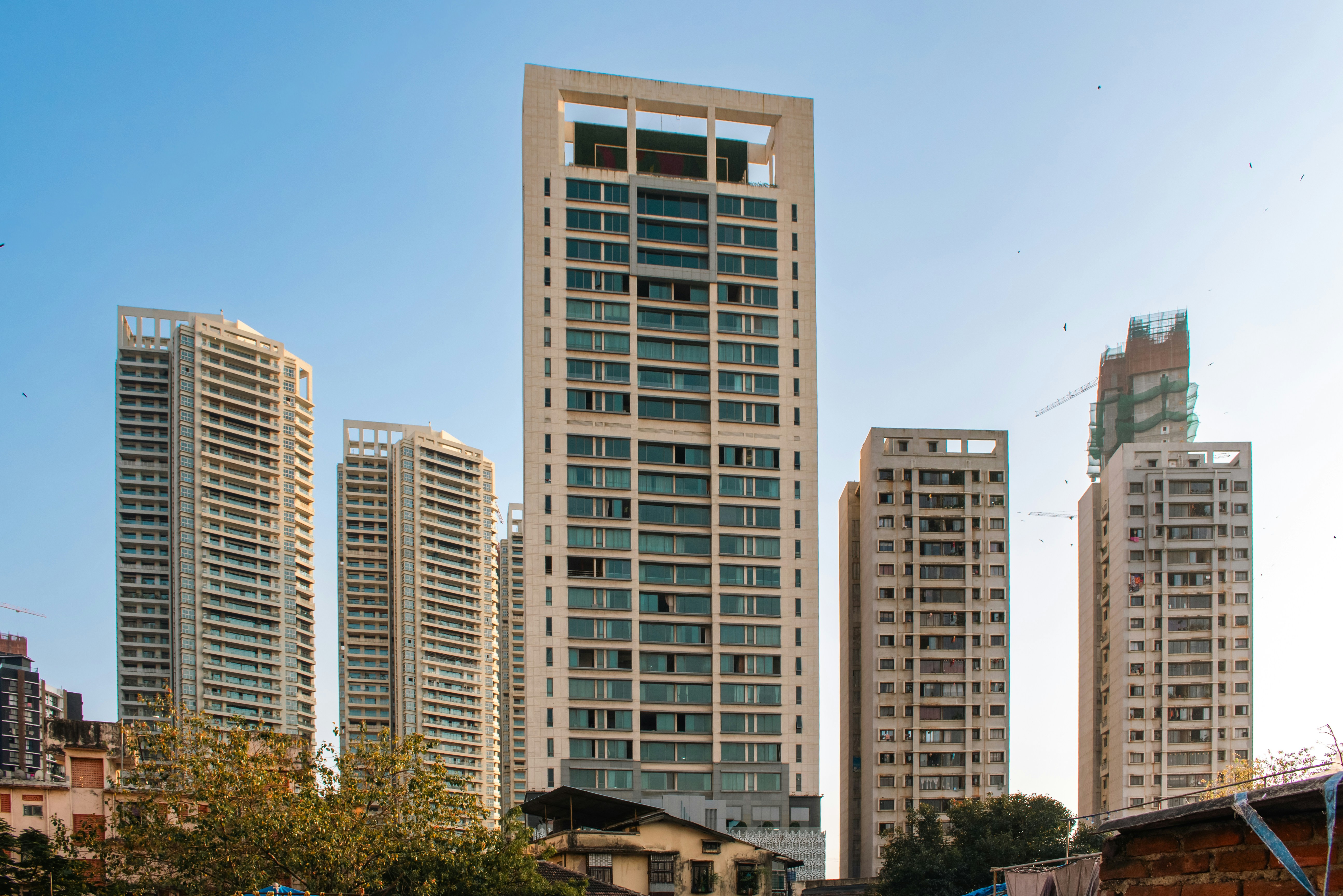
- Least Affordable: Mumbai, due to its unique geographical constraints and high demand, remains the most expensive housing market, though it too has seen its affordability improve from previous highs.
This city-level data is crucial for homebuyers making location-specific decisions and for investors looking to identify high-potential markets.
The Road Ahead: Is Now the Right Time to Buy a Home in India?
All indicators suggest that the current market dynamics are heavily skewed in favor of the homebuyer. The convergence of rising incomes, stable property prices, and a supportive lending environment presents a window of opportunity that hasn’t been seen in over a decade.
Looking ahead, while challenges like rising input costs for construction and potential future interest rate hikes exist, the long-term outlook remains robust. The continued government focus on infrastructure and housing, combined with the growth of Tier-II and Tier-III cities, is expected to sustain this positive momentum.
In conclusion, the data is clear: housing affordability in India has structurally improved, making the cherished dream of homeownership a tangible reality for millions more than ever before. While due diligence is always paramount, the current environment offers a compelling argument for turning that dream into a set of keys and a front door.