What defines the Delhi most expensive house today? In India’s power capital, ultra-prime value concentrates in and around the Lutyens’ Bungalow Zone (LBZ) and select NDMC neighborhoods where plot sizes, heritage controls, and extreme scarcity elevate prices far beyond the wider market. This guide unpacks where the most expensive property in Delhi is found, how such assets are valued, and the practical legal and tax factors buyers should know.
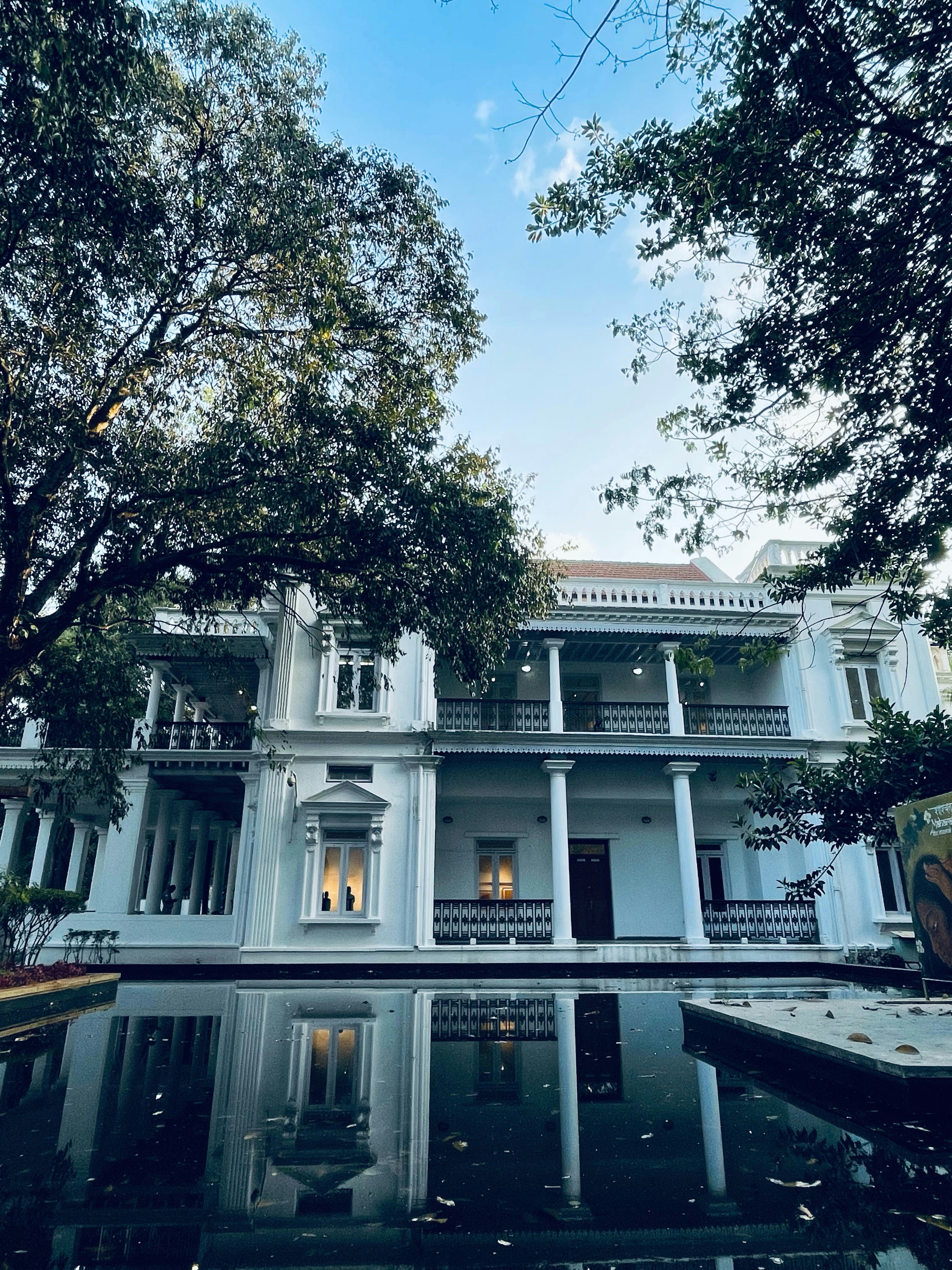
Where are Delhi’s costliest homes?
Delhi’s costliest house segments cluster in:
- Lutyens’ Bungalow Zone (LBZ) and core NDMC areas: Golf Links, Jor Bagh, Amrita Shergill Marg, Prithviraj Road, APJ Abdul Kalam Road, and adjoining avenues.
- High-end south and southwest enclaves: Shanti Niketan, Vasant Vihar, Westend, Anand Niketan, and select parts of Panchsheel Park and Sunder Nagar.
The LBZ remains the epicenter for the costliest house in Delhi because plots are unusually large for a national capital, zoning is exceptionally low-density, and development rights are tightly regulated. The area’s urban planning parameters are anchored by the city’s master plan and central government/NDMC controls (see policy resources at the Delhi Development Authority and NDMC).
Why Lutyens’/NDMC prices command a premium
- Land scarcity and large plots: LBZ/NDMC bungalows often sit on half-acre to multi-acre parcels—unmatched elsewhere in the city’s core.
- Low FAR and heritage controls: Strict redevelopment limits prioritize greenery and setbacks, preserving exclusivity. Refer to planning frameworks at the Ministry of Housing & Urban Affairs.
- Institutional ecosystem: Proximity to embassies, central government, and top cultural assets amplifies demand.
- Superior civic upkeep: NDMC-managed zones typically feature better services, streetscapes, and safety.
How ultra-prime homes are valued
For the most expensive property in Delhi, land value dominates. Buyers price on:
- Plot size and shape: Wider frontage and regular shapes improve planning options and aesthetics.
- Road width, corner plots, and aspect: Corner and park-facing plots with broader access trade at a premium.
- Zoning and permissible floor area (FAR): Tighter caps in LBZ mean every square meter of land is scarcer—and costlier—than elsewhere.
- Tenure and encumbrances: Clear, marketable freehold title with no tenancy disputes or pending litigation is vital.
- Redevelopment potential and age of structure: Even if a bungalow is older, if the plot allows tasteful upgrades within rules, value rises.
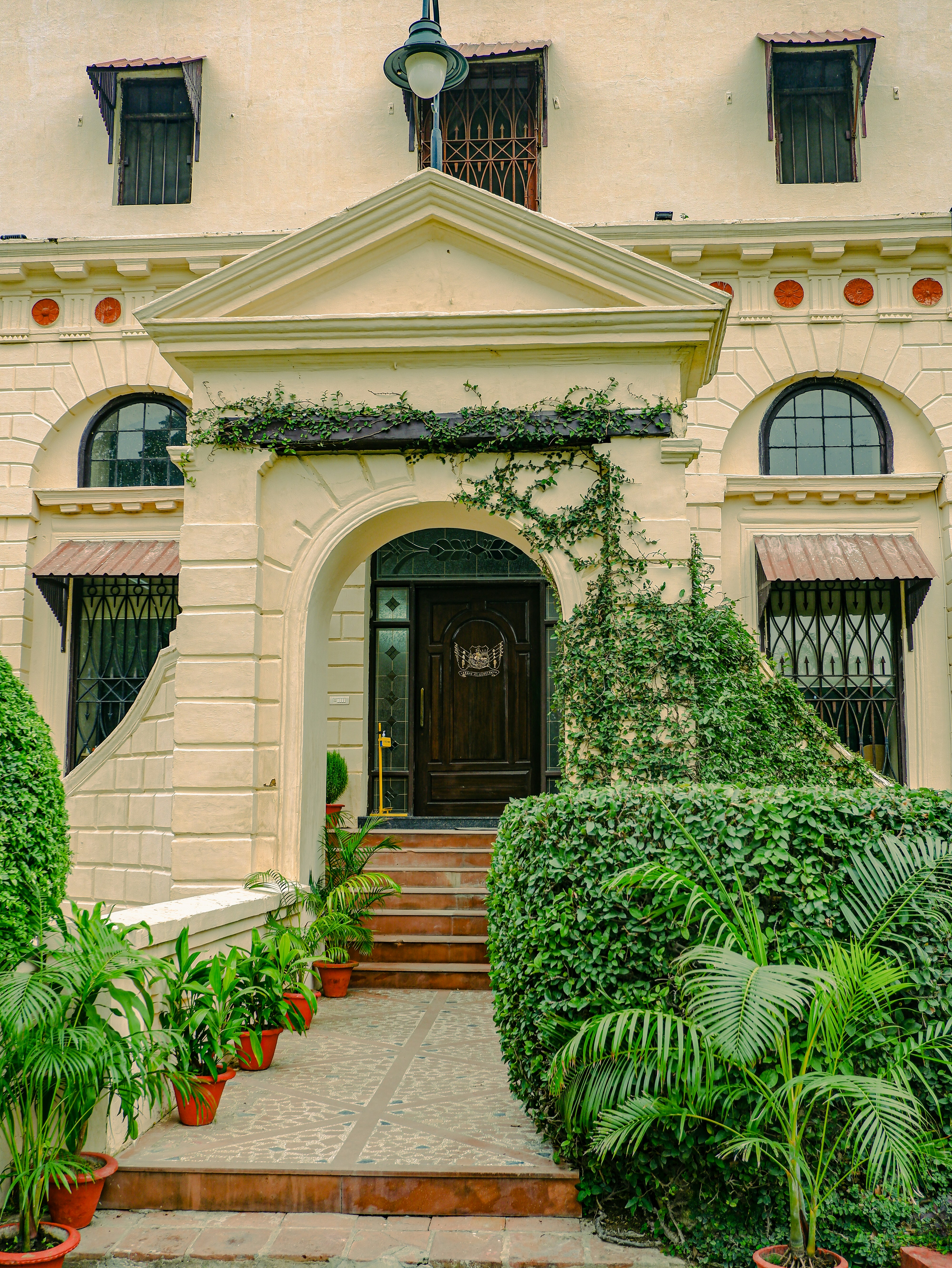
Circle rates vs. market pricing
Circle rates (the government’s minimum valuation benchmarks for property registration) in Delhi are notified by the Department of Revenue, GNCTD. In LBZ and Category-A colonies, true market prices for luxury homes in Delhi often exceed circle rates due to intense demand and limited supply. For buyers, this gap affects stamp duty/registration calculations and capital gains computations for sellers under income-tax rules (see official resources at the Income Tax Department).
Legal and compliance checklist (summary)
- Title and encumbrance diligence: Engage a senior property lawyer to verify historical title chain, mutation, and any mortgages, easements, or tenancy claims.
- Zoning conformity: Confirm development controls (setbacks, height, FAR) and whether the property falls under LBZ/NDMC restrictions through the DDA and NDMC.
- Sanctions and approvals: Obtain sanctioned building plans, completion/occupancy certificates where applicable, and verify heritage/notified-tree compliances via relevant authorities.
- Taxation and reporting: Factor stamp duty, TDS (where applicable), and capital gains tax. Reference primary guidance on the Income Tax portal.
- NRI/OCI considerations: NRIs can generally buy residential property in India subject to FEMA and other rules; consult a specialist and check RBI/GoI guidelines before transacting.
2026 outlook: What could move LBZ pricing?
In 2026, expectations around Delhi’s prime market remain anchored by supply scarcity and policy continuity:
- Limited inventory pipeline: With stringent controls and few listings, even marginal new demand can move prices.
- Wealth creation and family office demand: Entrepreneurial liquidity events and intergenerational consolidation continue to target trophy assets.
- Infrastructure and governance: Steady civic upgrades in NDMC zones support sustained premiums over broader Delhi.
- Macro drivers: Interest-rate cycles and tax policy can influence timing, but ultra-prime purchases are typically less rate-sensitive than mass market segments.
How to approach a purchase in the ultra-prime segment
- Work off-market: The most exclusive listings rarely hit portals; reputable brokers and legal advisors are key.
- Price land, not structure: Benchmark on plot characteristics and planning headroom, not just current build quality.
- Budget for compliance: Set aside resources for thorough diligence, approvals, and potential refurbishment to meet LBZ norms.
- Validate every document: Prioritize original sanctioned plans, tax receipts, and utility records; reconcile any discrepancies before signing.
Conclusion
The Delhi most expensive house isn’t a single address—it’s a class of ultra-prime assets concentrated in LBZ and select NDMC neighborhoods. With unmatched land parcels, low-density planning, and intense demand from end-users and family offices, values are structurally supported. Buyers should focus on land fundamentals, regulatory compliance, and watertight documentation to secure long-term value in the costliest house in Delhi.
FAQs
1) What areas typically host the most expensive property in Delhi?
Primarily the Lutyens’ Bungalow Zone and NDMC-managed neighborhoods such as Golf Links, Jor Bagh, Prithviraj Road, and adjoining avenues, along with ultra-premium parts of South/Southwest Delhi like Shanti Niketan and Westend.
2) Why are LBZ properties priced far above most luxury homes in Delhi?
LBZ combines unusually large plots, stringent low-density zoning, better civic services, and proximity to power centers. This scarcity-plus-status mix keeps prices elevated versus even premium non-LBZ colonies.
3) Do Delhi circle rates reflect true prices for the costliest house in Delhi?
Often not. Circle rates are government benchmarks for registration, while market prices in LBZ/Category-A colonies can be significantly higher. Buyers and sellers should calculate duty and taxes using official rules and seek professional advice.
4) What documents should I verify before buying in NDMC/LBZ?
Title chain and encumbrance reports, sanctioned building plans, completion/occupancy certificates (as applicable), tax and utility receipts, and compliance with NDMC/DDA planning and any heritage/tree norms.
5) Can NRIs purchase ultra-prime homes in Delhi?
Generally yes, subject to FEMA and allied regulations. NRIs/OCIs should consult legal and tax advisors and review the latest RBI and Government of India guidelines before committing.