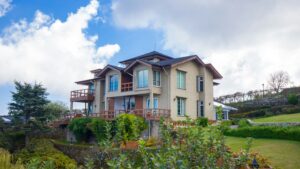
Can we use residential property for commercial use in India?
Short answer: it depends on your city’s zoning rules and the specific activity. Many Indian cities permit limited, low-impact business or professional activity in homes, but most retail or customer-facing uses require formal change of land use (CLU) or residential to commercial property conversion. This guide explains how zoning laws in India work, what is commonly allowed, the approvals you may need, and the risks of non-compliance—so you can decide confidently whether you can use residential property for commercial use.
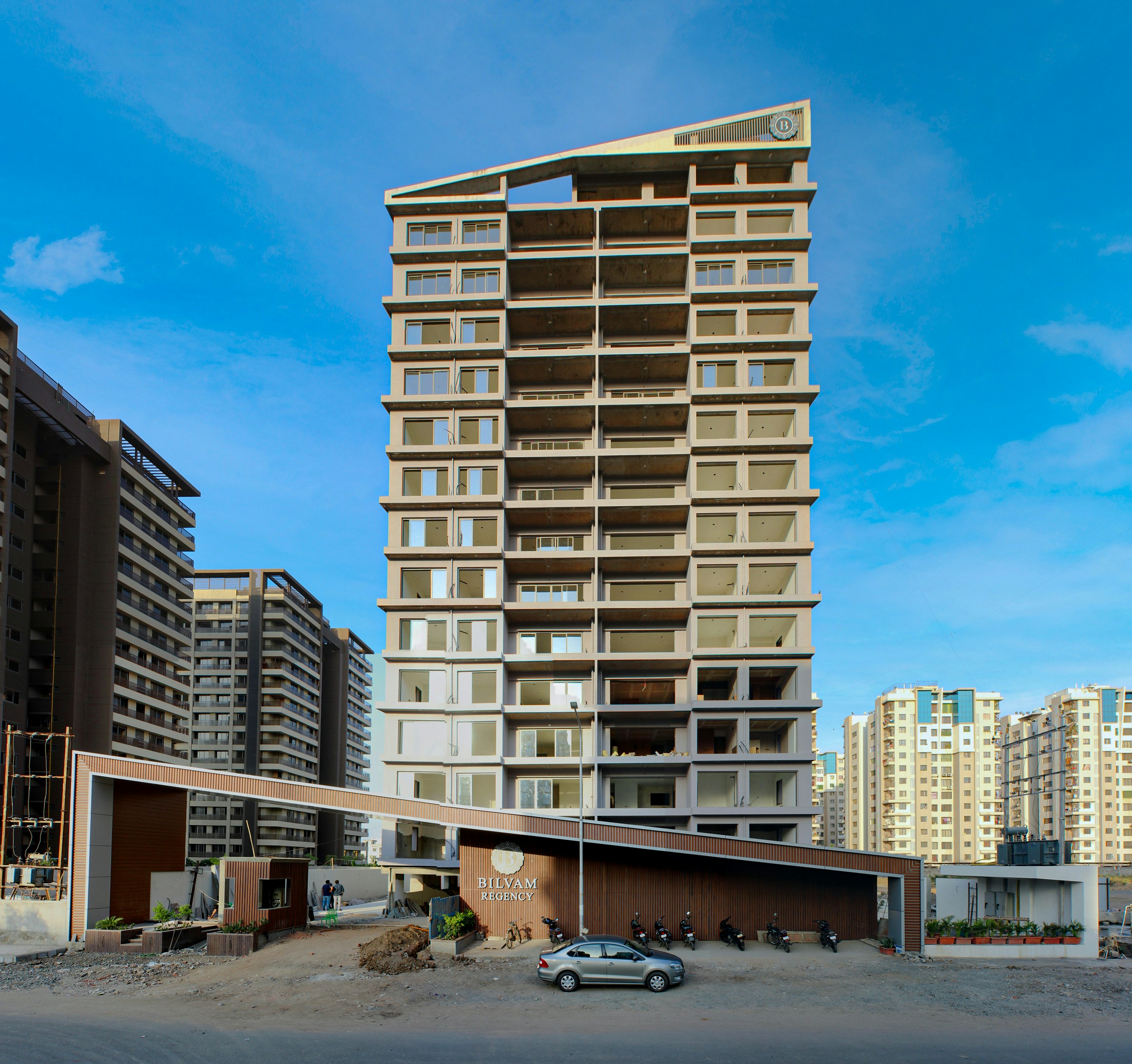
Understanding zoning laws in India
India follows a plan-led land-use system. Each city’s Master Plan/Development Plan and Development Control Regulations (DCR) define what activities are permitted in residential, commercial, industrial, and mixed-use zones. The Ministry of Housing and Urban Affairs (MOHUA) issues guidance such as the Model Building Bye-Laws (2016), which many states adapt into their own byelaws and DCR. For building safety and occupancy classifications, authorities rely on the Bureau of Indian Standards (BIS) – National Building Code of India (NBC 2016). In large metros, the Master Plan often provides specific provisions for mixed-use streets, professional activity in homes, parking norms, and signage.
Because zoning is local, always check your city’s latest Master Plan and byelaws. As an example, Delhi’s framework is issued by the Delhi Development Authority (DDA) and implemented by the municipal bodies (e.g., trade licenses via the Municipal Corporation of Delhi).
What is “mixed use” and “professional activity”?
Most cities distinguish between:
- Professional activity: Low-impact services run by individuals (e.g., doctor, architect, chartered accountant, lawyer) from part of a dwelling. Typically capped by a percentage of floor area and limits on employees, signage, and visitors.
- Mixed use: Specific streets or areas where limited commercial activity (like small shops or offices) is permitted in residential buildings, subject to registration, fees, parking, and safety norms.
Exact definitions and caps (e.g., percentage of floor area, permissible uses, road width conditions) vary by jurisdiction—refer to your ULB/Development Authority’s rules.
When is commercial use of a residential property allowed without full conversion?
While each city differs, the following are commonly allowed with conditions:
- Home office for non-customer-facing work: Freelancers/consultants with no walk-in clients and minimal employees.
- Professional services by residents: Doctor, CA, architect, lawyer, company secretary, etc., operating within prescribed floor-area limits and safety norms.
- Online or home-based businesses with no retail counter: Back-office work (design, coding, accounting), provided there’s no disturbance, storage of hazardous materials, or customer crowding.
Typically not allowed without conversion: retail shops with public footfall, restaurants, salons/spas, coaching centres with large batches, godowns/warehouses, manufacturing, or uses involving significant noise, fumes, or traffic.
How to convert residential to commercial property (step-by-step)
If your intended use is not permitted under the “professional activity” or mixed-use provisions, you will likely need residential to commercial property conversion or CLU permission. A typical pathway looks like this:
- Verify zoning and permissible uses: Check the Master Plan land-use zone and your plot’s road width and location-specific norms. For guidance documents, see MOHUA and your local development authority (e.g., DDA).
- Apply for change of land use (CLU) / mixed-use registration: Submit application to your Development Authority/ULB with ownership papers, site plan, and the proposed use details.
- Obtain building plan approval and structural/fire clearances: If layout changes or occupancy change is involved, revised plans must comply with the NBC 2016. Fire NOC may be required depending on occupancy type and size.
- Pay conversion/impact charges and fees: Many cities levy conversion charges, parking/impact fees, and betterment charges based on plot area, location, road width, and use category.
- Secure business-operating approvals:
- Municipal trade license (e.g., via MCD Online for Delhi).
- Shops & Establishments registration (state labour department).
- GST registration if turnover exceeds threshold or for inter-state supplies (GST portal).
- Sectoral licenses where applicable, e.g., FSSAI FoSCoS for food businesses; pollution consents for certain activities via the Central Pollution Control Board or State PCB.
- Switch utilities to commercial tariffs: Update electricity/water connections if required by your DISCOM/ULB.
- Comply with signage, parking, and occupancy limits: Cities often regulate signboards, visitor parking, loading/unloading, and hours of operation.
Compliance and ongoing obligations
- Property tax: Conversion can shift your property to a higher tax slab—budget for recurring changes.
- Fire and safety: Maintain extinguishers, exits, and load limits as per NBC/Fire Service guidelines; renew NOCs on schedule.
- Building maintenance and society bylaws: Apartment associations may have additional rules; obtain necessary NOCs.
- Environmental norms: For uses generating effluents, smoke, or noise, install and maintain prescribed controls and secure/renew consents.
- Labour and welfare compliances: Shops & Establishments, ESI/EPF (if thresholds met), and staff safety norms.
Risks and penalties of unauthorized commercial use
- Fines, sealing, or closure: ULBs can levy penalties, seal premises, or order closure for unauthorized use.
- Disconnection of utilities: Electricity and water supply may be disconnected for violations.
- Insurance denial and liability: Claims may be denied if occupancy differs from policy; liability risks rise if accidents occur.
- Disputes with neighbours or RWA: Nuisance, parking, and noise complaints can trigger inspections.
For a high-level primer on why cities regulate land use and mixed activity, see the World Bank’s urban development resources.
Conclusion: Can we use residential property for commercial use?
Yes—often in a limited way (home offices or professional activity) and only within your city’s zoning and building-byelaw limits. For customer-facing or high-footfall operations, you’ll usually need formal residential to commercial property conversion, building and fire compliance, a trade license, and sectoral registrations. Always verify the latest Master Plan and byelaws with your local authority and consult a qualified planner or architect before you invest.
FAQs
1) Can I register my company at my home address in India?
Yes. Under the Companies Act, a registered office can be at a residential address if it can receive communications and maintain statutory records. However, registration does not override zoning—operational activity must still comply with local land-use rules, byelaws, and licensing.
2) Do I need a trade license to run a home bakery?
Typically yes. Most cities require a municipal trade license for food businesses, and you must obtain FSSAI registration/license. You also need to meet hygiene, fire-safety, and neighbourhood nuisance norms. If there is customer footfall or deliveries, mixed-use/CLU permissions may be required.
3) What percentage of my home can I use as an office?
It varies by city. Many jurisdictions cap professional activity to a portion of the dwelling (e.g., a percentage of floor area) and limit employees, signage, and visitor traffic. Check your city’s Master Plan and DCR for exact thresholds.
4) What are conversion (CLU) charges and how are they calculated?
Conversion or impact charges are fees levied by the development authority/ULB when changing land use or registering mixed use. They are typically based on plot size, location (zone), road width, and the proposed activity. Authorities publish schedules that specify rates and any parking or infrastructure fees.
5) How long does residential to commercial conversion usually take?
Timeframes vary widely by city, documentation quality, and whether plan revisions or NOCs (fire, environment) are needed. Simple cases can close in a few weeks; complex proposals may take a few months.