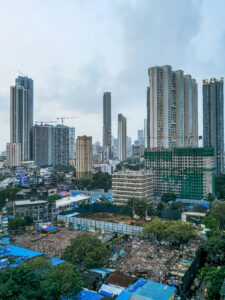
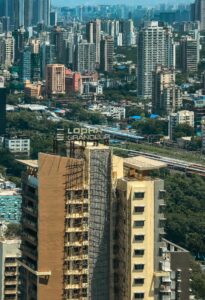
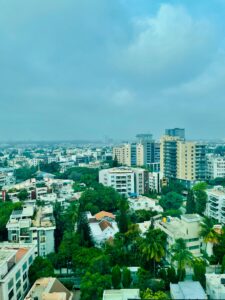
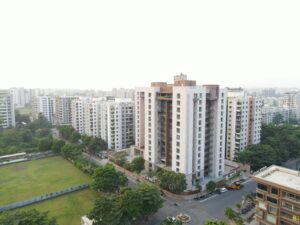
The vision of “Housing for All” has long been a cornerstone of India’s socio-economic goals, yet the path to achieving it has hit a significant roadblock. The affordable housing segment, once the star of the Indian real estate market, is currently facing a stark reality: another year of subdued demand. While luxury and high-end properties are witnessing unprecedented sales, the sector aimed at the common citizen is grappling with declining sales and a sharp drop in new projects. This growing imbalance threatens to widen the gap between housing demand and supply for a large section of the population.
Recent data paints a worrying picture. According to a report by real estate consultants ANAROCK Property Consultants, the sales and new launches of affordable homes (priced under ₹40 lakh) have contracted significantly across India’s top metropolitan cities. This downturn isn’t a sudden dip but a continuing trend, signaling a deep-rooted issue that extends beyond market fluctuations.
The Numbers Don’t Lie: A Statistical Overview
The statistics from the last year are telling. The share of affordable housing in total real estate sales has plummeted. In the first quarter of 2024, this segment accounted for a mere 18% of new launches across the top 7 cities, a dramatic fall from its peak of over 40% in pre-pandemic years. Sales figures mirror this trend, with homebuyers in the lower-income bracket finding it increasingly difficult to enter the property market.

In contrast, the luxury segment is booming. Properties priced above ₹1.5 crore have seen their market share surge, indicating a clear shift in both developer focus and consumer demand towards the premium end of the market. This K-shaped recovery in the real estate sector highlights a growing disparity where wealth creation at the top drives luxury sales, while affordability challenges plague the bottom.
What’s Driving the Slump in Affordable Housing?
The slowdown in the affordable housing market is not due to a single cause but rather a combination of economic pressures on both developers and buyers.
- Soaring Input Costs: The cost of key construction materials like cement and steel has risen sharply over the past few years. This, coupled with escalating land prices in urban and semi-urban areas, has severely squeezed developer margins in the price-sensitive affordable segment, making such projects financially unviable.
- The Squeeze on Homebuyers: The target demographic for affordable housing has been hit hardest by inflation and rising interest rates. As the Reserve Bank of India raised repo rates to control inflation, home loan EMIs increased, reducing the purchasing power of potential buyers. This has made even “affordable” homes unattainable for many. For more details on monetary policy, you can refer to the Reserve Bank of India’s official publications.
- Developers Chasing Higher Margins: Faced with slim profits in the affordable category and robust demand in the premium market, developers are strategically pivoting. High-end and luxury projects offer significantly better profit margins and a quicker return on investment, making them a more attractive business proposition.
- Infrastructural Gaps: A majority of new affordable housing projects are located on the peripheries of major cities. These areas often lack essential infrastructure like reliable public transport, schools, healthcare facilities, and retail centers. The additional cost and time of commuting, combined with a lower quality of life, deter potential buyers.
The Shifting Focus of Real Estate Developers
The real estate industry is witnessing a clear and strategic pivot away from the affordable segment. Developers are increasingly launching projects in the mid-range (₹80 lakh – ₹1.5 crore) and luxury categories. This shift is a direct response to market dynamics where the demand for larger homes with better amenities has surged, especially in the post-pandemic era. High-income professionals, benefiting from a strong stock market and robust corporate earnings, are driving this demand.
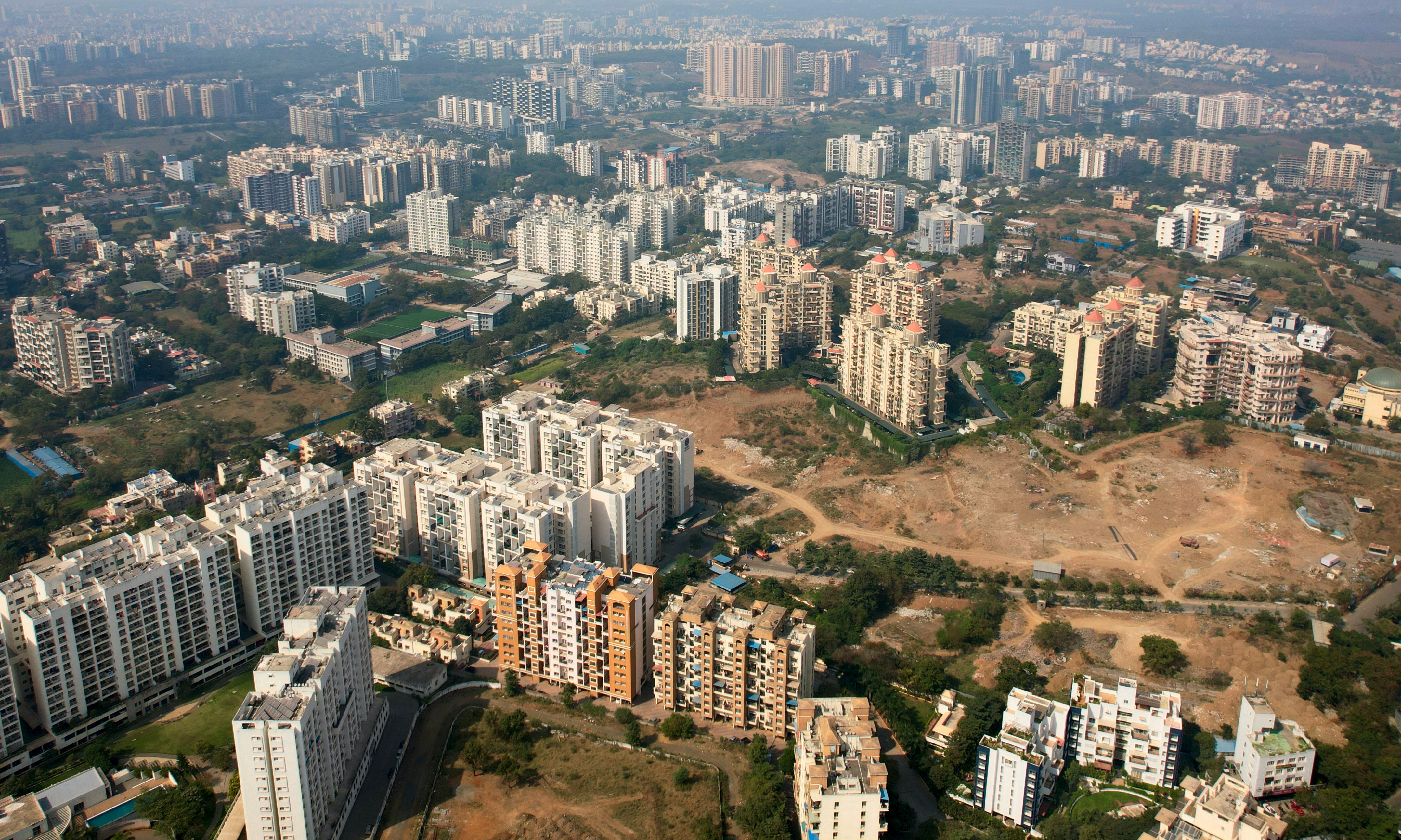
This pivot creates a vicious cycle. As fewer affordable units are launched, the existing supply-demand gap widens, pushing prices up and making homes even less accessible. It underscores a market that is increasingly catering to investors and high-income buyers, rather than end-users in the lower and middle-income groups.
The Role of Government Policy and the Path Ahead
Government initiatives have historically been a major catalyst for affordable housing. The Pradhan Mantri Awas Yojana (Urban) or PMAY-U, particularly its Credit Linked Subsidy Scheme (CLSS), was a significant demand driver. However, the expiration of the CLSS component for the Middle Income Group (MIG) in 2021 has left a void in the support system for homebuyers.
To revive the sector, industry experts and stakeholders are calling for a multi-pronged approach:
- Redefining “Affordable”: There is a growing consensus that the government needs to revise the price definition of affordable housing (currently capped at ₹45 lakh). Given the rise in construction and land costs, this ceiling is no longer realistic in most major cities.
- Incentivizing Developers: Policy interventions like tax breaks, sanctioning single-window clearances, and releasing government-held land for affordable projects could encourage developers to re-enter this segment.
- Boosting Buyer Confidence: Reintroducing or revamping subsidy schemes like CLSS would provide a much-needed financial cushion to homebuyers, directly stimulating demand.
- Focus on Peripheral Infrastructure: A concerted effort from urban planning bodies to develop social and physical infrastructure in city peripheries is crucial to making these locations more livable and attractive.
Conclusion: A Call for Collaborative Action
The subdued demand in India’s affordable housing sector is a complex issue stemming from economic headwinds, shifting market dynamics, and policy gaps. While the premium real estate segment thrives, the struggles at the affordable end cannot be ignored. Addressing this challenge is not just an economic necessity but a social imperative. Realizing the dream of “Housing for All” requires a collaborative effort from the government, real estate developers, and financial institutions to create a sustainable ecosystem where every Indian has a chance to own a home.