As India continues its rapid march toward becoming a global economic powerhouse, a significant challenge looms large: the growing divide in urban housing. While luxury skyscrapers redefine city skylines, the dream of owning a safe and affordable home remains elusive for millions. The upcoming Union Budget 2026 presents a critical opportunity for policymakers to introduce decisive reforms. Real estate leaders and citizens alike are watching closely, hoping for measures that can bridge this gap and foster balanced, inclusive urban development.
The Widening Chasm: Understanding India’s Housing Crisis
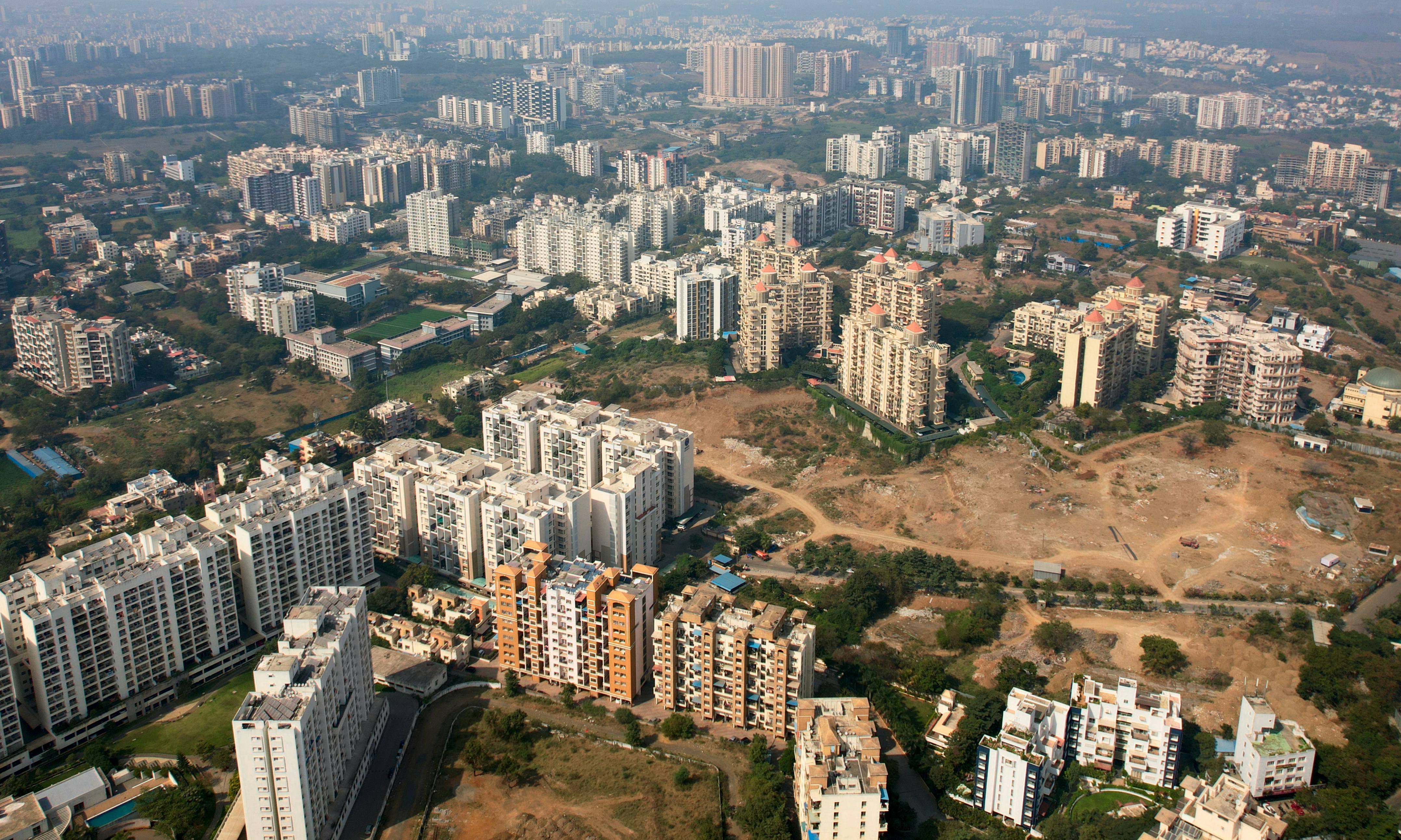
The demand for urban housing in India is staggering. A 2023 report highlighted an estimated urban housing shortage of over 29 million units, with the majority concentrated in the Economically Weaker Section (EWS) and Lower Income Group (LIG) categories. This isn’t just a statistic; it represents millions of families living in overcrowded, inadequate, or unsafe conditions. The rising costs of land and construction materials have pushed property prices beyond the reach of the average citizen, creating a stark divide between the housing haves and have-nots.
This challenge is compounded by rapid urbanization. With millions migrating to cities for opportunities every year, the pressure on existing housing infrastructure intensifies. Without strategic intervention, this chasm is set to widen, potentially leading to social and economic instability. The government’s vision of ‘Housing for All’ hinges on its ability to make urban living affordable and sustainable.
Affordable Housing: The Linchpin of a Balanced Real Estate Sector
Affordable housing is the cornerstone of any solution to the urban housing crisis. While the Pradhan Mantri Awas Yojana (PMAY) has made significant strides, the real estate industry believes more targeted support is needed in Budget 2026 to truly unlock this segment’s potential. Industry bodies like CREDAI and NAREDCO have consistently advocated for policy tweaks to make affordable housing projects more viable for developers.
One of the key demands is the revision of the affordable housing definition. Currently, the price cap of ₹45 lakh and size limit of 60/90 sq. meters is seen as unfeasible in metropolitan cities where land and construction costs are significantly higher. Adjusting this cap upwards would allow more projects to qualify for government incentives, thereby increasing the supply of budget-friendly homes.
Budget 2026: Key Expectations from the Real Estate Sector
The wishlist from the real estate sector for Budget 2026 is clear and focused on stimulating both supply and demand. Key expectations include:
- Increased Tax Deductions for Homebuyers: A primary demand is to increase the deduction limit on home loan interest under Section 24(b) of the Income Tax Act from the current ₹2 lakh to at least ₹5 lakh. This would provide significant relief to homebuyers, especially in the middle-income segment, and boost housing demand.
- Reintroduction of Credit-Linked Subsidy Scheme (CLSS): The CLSS, a popular component of PMAY, played a crucial role in making homes affordable. Its reintroduction would directly benefit EWS and LIG homebuyers and invigorate the affordable housing market.
- Granting ‘Industry’ Status: The long-standing demand for granting full-fledged ‘industry’ status to the entire real estate sector could be a game-changer. This would enable developers to access financing at lower interest rates from banks and financial institutions, reducing project costs and, ultimately, property prices.
- GST Reforms: Rationalizing the Goods and Services Tax (GST) on construction materials like cement and steel, which are currently taxed at 28% and 18% respectively, is a major expectation. Allowing input tax credit on GST for residential projects would also lower construction costs and benefit end-users.
Infrastructure and Land Reforms: The Twin Pillars of Growth
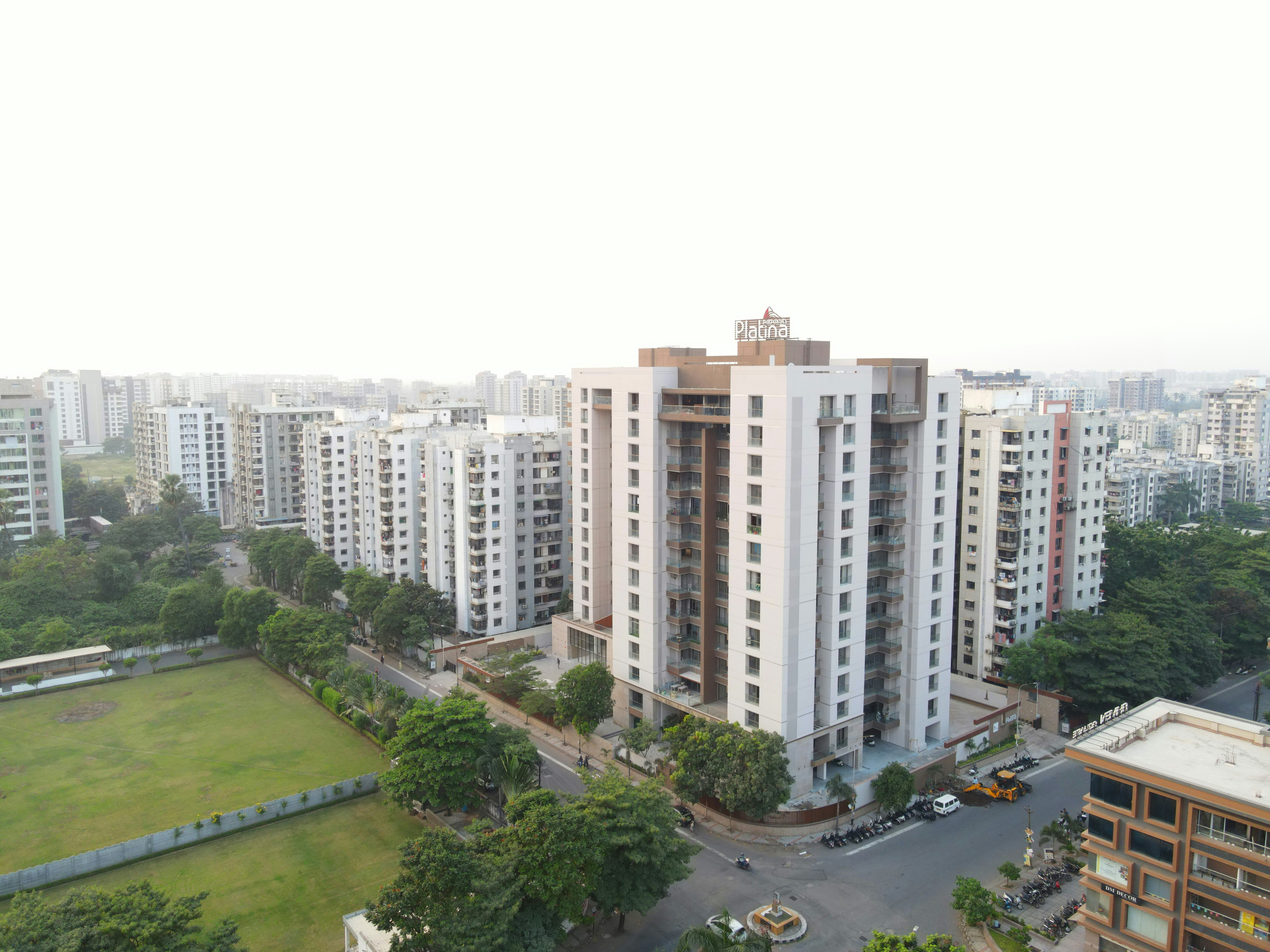
A home is only as good as its location and connectivity. The government’s focus on infrastructure development through projects like the National Infrastructure Pipeline (NIP) has a direct, positive impact on the real estate sector. Expanding metro networks, highways, and industrial corridors opens up new land parcels for development, making peripheral areas more attractive for residential projects. Budget 2026 should continue this aggressive infrastructure push with increased capital expenditure.
However, infrastructure development must be supported by transparent and efficient land reforms. Land acquisition remains a major bottleneck for many projects, causing significant delays and cost overruns. Implementing a clear, streamlined process for land acquisition and promoting the digitization of land records can enhance transparency and attract further investment into the sector.
The Future of Rental Housing and Digital Real Estate
While homeownership is an aspiration, a robust rental housing market is essential for a mature real estate ecosystem. It provides flexibility and mobility for the urban workforce. The Model Tenancy Act, 2021, was a step in the right direction, but its adoption by states has been slow. Budget 2026 could introduce incentives for developers to build ‘build-to-rent’ projects, offering tax breaks to formalize and boost the rental housing supply.
Furthermore, leveraging technology through a “Digital Real Estate” framework is crucial. This involves creating a unified digital platform for project approvals—a genuine single-window clearance system—to cut down on red tape and corruption. Digitizing land records nationally can prevent legal disputes and create a more transparent environment for buyers and investors alike.
Conclusion: A Call for Visionary Policies in Budget 2026
The real estate sector is a vital engine of the Indian economy, contributing significantly to GDP and employment. The challenges it faces, particularly the housing divide, are national challenges that require bold and visionary solutions. Budget 2026 is more than just an annual financial statement; it’s a policy tool that can shape the future of India’s cities.
By focusing on tax rationalization, boosting the viability of affordable housing, investing in infrastructure, and streamlining regulatory processes, the government can bridge the housing gap. It’s time for decisive action to ensure that the dream of a home becomes a reality for every Indian, paving the way for a more equitable and prosperous future.