As India positions itself for the next phase of economic expansion, all eyes are on the upcoming Union Budget 2026. The consensus among industry leaders and economic analysts is clear: the era of mere policy formulation is over. The new mantra is “execution efficiency.” The upcoming budget is expected to move beyond announcements and focus on robust implementation, clear regulations, and strategic support for key sectors. Stakeholders are calling for decisive action to bolster housing, empower Micro, Small, and Medium Enterprises (MSMEs), fuel the startup ecosystem, and expand digital services to achieve long-term sustainable growth.
Boosting the Housing Sector for All
The real estate sector, a significant contributor to India’s GDP and the second-largest employer, is at a critical juncture. While initiatives like the Pradhan Mantri Awas Yojana (PMAY) have made commendable strides, the “Housing for All” mission is far from complete. Following the announcement to build an additional 2 crore houses under PMAY-Gramin, the industry anticipates a similar push for the urban poor and middle class.
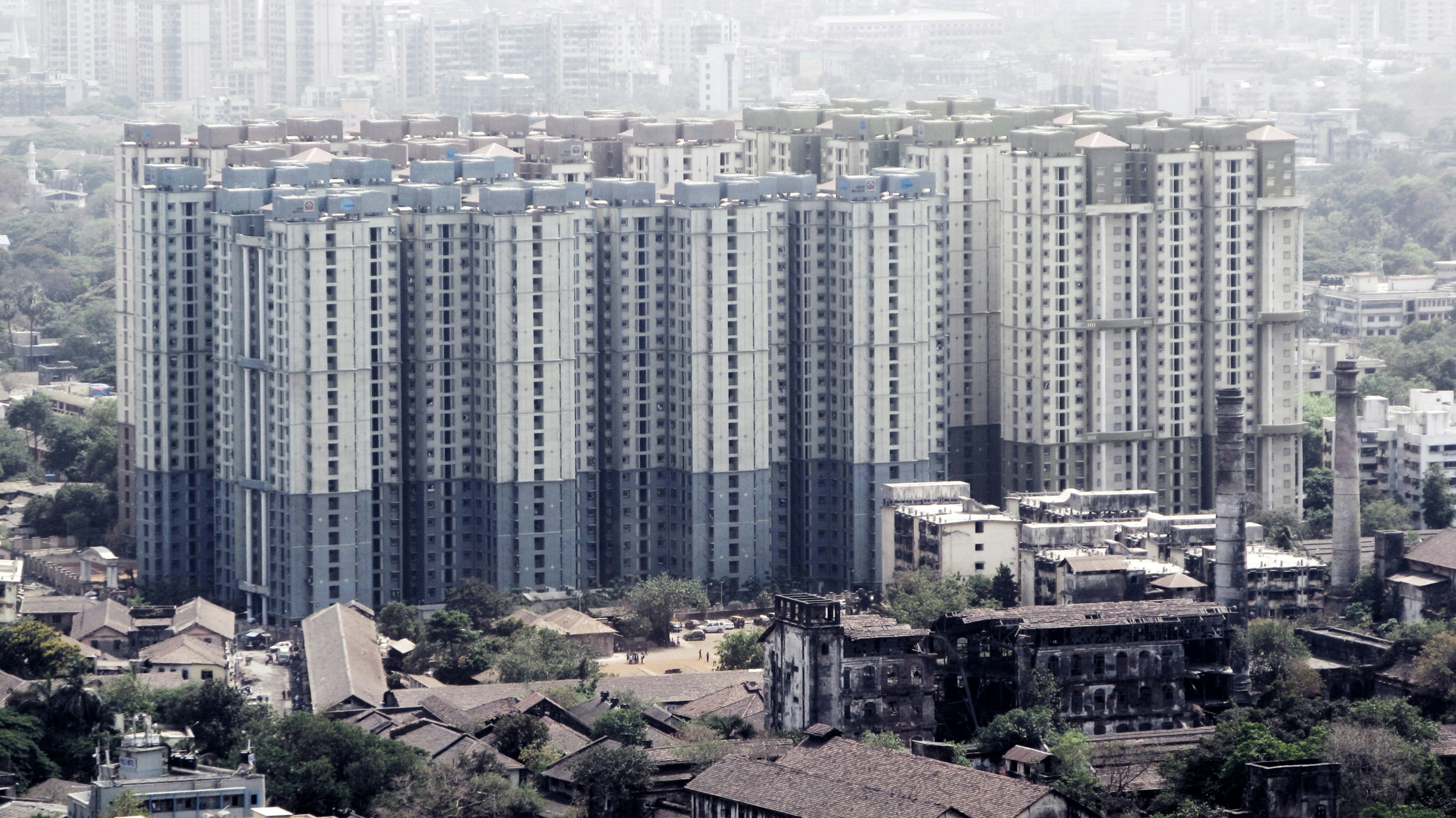
Budget 2026 expectations are centered on creating a more favorable environment for both developers and homebuyers. Key demands include:
- Increased Allocations: A substantial increase in the budget for PMAY-Urban to address the growing housing shortage in cities.
- Tax Incentives: Revisions in the definition of affordable housing to reflect current market prices, and enhanced tax deductions on home loans for first-time buyers.
- Streamlined Clearances: A call for a functional single-window clearance system to reduce project delays and costs, a long-standing demand to improve ease of doing business.
- Rental Housing Policies: Introducing policies to promote large-scale rental housing projects, which can provide immediate relief for urban migration.
For more information on the government’s housing schemes, you can visit the official PMAY-Urban portal.
Empowering MSMEs: The Backbone of the Indian Economy
MSMEs are the bedrock of India’s economic structure, contributing nearly 30% to the GDP and creating millions of jobs. However, this sector continues to grapple with challenges related to credit access, technological adoption, and regulatory compliance. The upcoming budget is a crucial opportunity to provide the necessary support to unlock their full potential.
Industry bodies are advocating for measures that directly address these pain points:
- Enhanced Credit Access: Simplification of loan application processes and expansion of a credit guarantee scheme to ensure more MSMEs can access formal credit without hefty collateral.
- GST Simplification: Rationalization of the Goods and Services Tax (GST) framework for small businesses to reduce compliance burdens and free up working capital.
- Digital Enablement: Financial incentives and support for MSMEs to adopt digital tools, e-commerce platforms like ONDC, and improve their cybersecurity infrastructure.
- Prompt Payments: Stricter enforcement of regulations requiring government departments and large corporations to clear MSME dues within the mandated 45-day period.
Supporting this sector is not just an economic imperative but a social one, driving inclusive growth across the nation. Further details on current MSME schemes are available at the Ministry of MSME website.
Fueling the Startup Ecosystem and Innovation
India is home to one of the world’s most vibrant startup ecosystems. To maintain this momentum, especially in the face of global economic uncertainties and funding challenges, proactive government support is essential. The budget needs to foster an environment where innovation can thrive and startups can scale rapidly.
The startup community’s wishlist for Budget 2026 includes:
- Tax Reforms: Rationalizing long-term capital gains (LTCG) tax and simplifying regulations around Employee Stock Ownership Plans (ESOPs) to attract and retain talent.
- Fund of Funds: Enhancing the corpus of the Fund of Funds for Startups (FFS) to ensure a steady flow of domestic capital into promising ventures.
- Ease of Doing Business: Further simplification of corporate laws and regulations to reduce the compliance burden on early-stage companies.
Initiatives like Startup India have laid a strong foundation, and the next step is to build on it with targeted, effective policies. You can learn more about this initiative at the official Startup India portal.
The Path to Sustainable Growth: Execution is Key
Underpinning the expectations for every sector is the demand for a clear focus on sustainable practices and efficient execution. Growth at the cost of environmental and social well-being is no longer a viable path. The budget must integrate sustainable development goals into its fiscal framework, promoting green energy, circular economy principles, and climate-resilient infrastructure.

Moreover, the success of Budget 2026 will be measured not by the scale of its announcements, but by the efficiency of their implementation. This requires:
- Clear Regulatory Roadmaps: Providing predictable and clear regulations, especially for emerging sectors like Artificial Intelligence, green technology, and the digital economy.
- Inter-Ministerial Coordination: Strengthening mechanisms for collaboration between different government departments to ensure cohesive and rapid project execution.
- Data-Driven Governance: Leveraging technology and real-time data to monitor progress, identify bottlenecks, and make swift course corrections.
As the government prepares to table the budget, the message from India Inc. is unequivocal: deliver a forward-looking, reform-oriented budget that prioritizes implementation. By focusing on execution, streamlining regulations, and strategically investing in high-impact sectors, the Union Budget 2026 can pave the way for a decade of strong, sustainable, and inclusive growth for India. For in-depth analysis of the Indian economy, reports from the Reserve Bank of India provide a comprehensive overview.