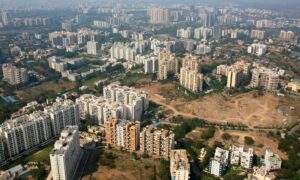
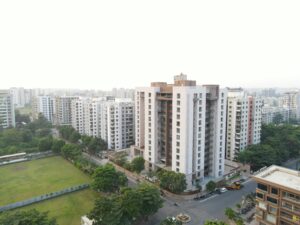
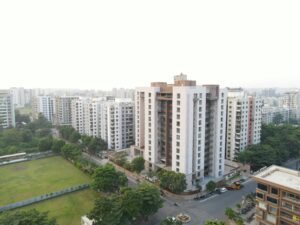
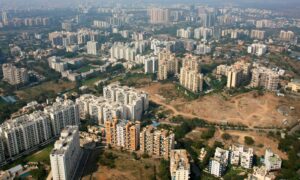
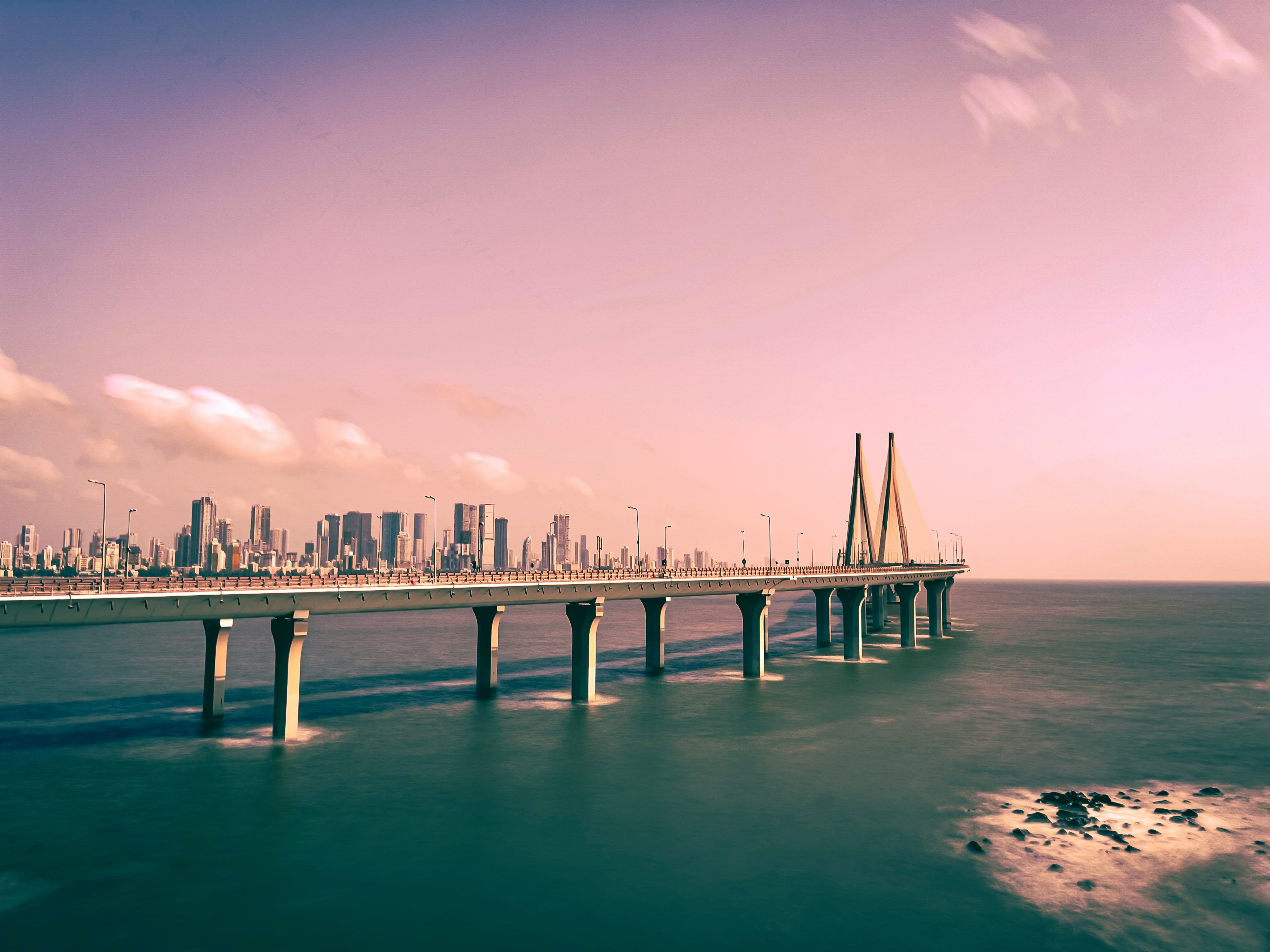
India’s urban economy is expanding quickly, and understanding the fastest growing cities in India can help professionals, investors, and homebuyers position themselves ahead of the curve. As per World Bank data, more than a third of India’s population now lives in cities, a share that has steadily risen over the last decade, underscoring the momentum behind urban markets and infrastructure expansion (World Bank).
Why India’s emerging cities are accelerating
Multiple structural forces are powering a new wave of fast developing cities in India:
- Digital and services growth: IT–BPM, product engineering, fintech, and GCCs (global capability centers) are scaling beyond the traditional metros into Tier-2 hubs.
- Infrastructure push: Industrial corridors and multimodal logistics are improving connectivity and lowering costs (see NICDC). Urban transit projects and metro rail systems are expanding under the Ministry of Housing & Urban Affairs (MoHUA).
- Smart city upgrades: The Smart Cities Mission has supported 100 cities with projects in mobility, digital governance, and resilience (Smart Cities Mission).
- Startup ecosystem depth: Policy support and growing capital are spreading innovation across more locations (Startup India; Invest India).
- Logistics efficiency gains: India improved in the World Bank’s 2023 Logistics Performance Index, helping new industrial and e‑commerce hubs scale faster (World Bank LPI).
- Urbanization trends: The UN projects continued growth of Indian urban agglomerations over the next decade (UN DESA WUP).
Fastest Growing Cities in India in 2026
Below is a data‑informed guide to top growth cities in India. Each city’s momentum is driven by a blend of jobs, infrastructure, livability, and ecosystem depth. While rankings vary by methodology, these locations consistently appear among India’s most dynamic, emerging cities.
Bengaluru (Bangalore)
India’s leading tech and startup hub continues to expand with deep pools of engineering talent, robust venture capital, and a strong product and SaaS ecosystem. Expanding peripheral infrastructure and metro connectivity support sustained office demand and high‑skilled job creation.
Hyderabad
A major IT, pharma, and life sciences center with competitive costs, business‑friendly policies, and high‑quality office parks. Continued investments in transit and social infrastructure bolster livability and long‑term growth prospects.
Pune
Known for automotive, advanced engineering, and IT–BPM, Pune benefits from strong universities, a skilled workforce, and improving expressway connectivity. The city’s balanced mix of manufacturing and services underpins resilient employment drivers.
Ahmedabad
Industrial strength in textiles, chemicals, and engineering, coupled with growing finance and services, makes Ahmedabad a compelling long‑term bet. Connectivity to industrial corridors and ongoing urban upgrades help attract investment.
Surat
Among the most talked‑about manufacturing and trading hubs, Surat’s diamond and textiles clusters power exports and jobs. Infrastructure investments and formalization across MSMEs are lifting productivity and enabling broader ecosystem growth.
Indore
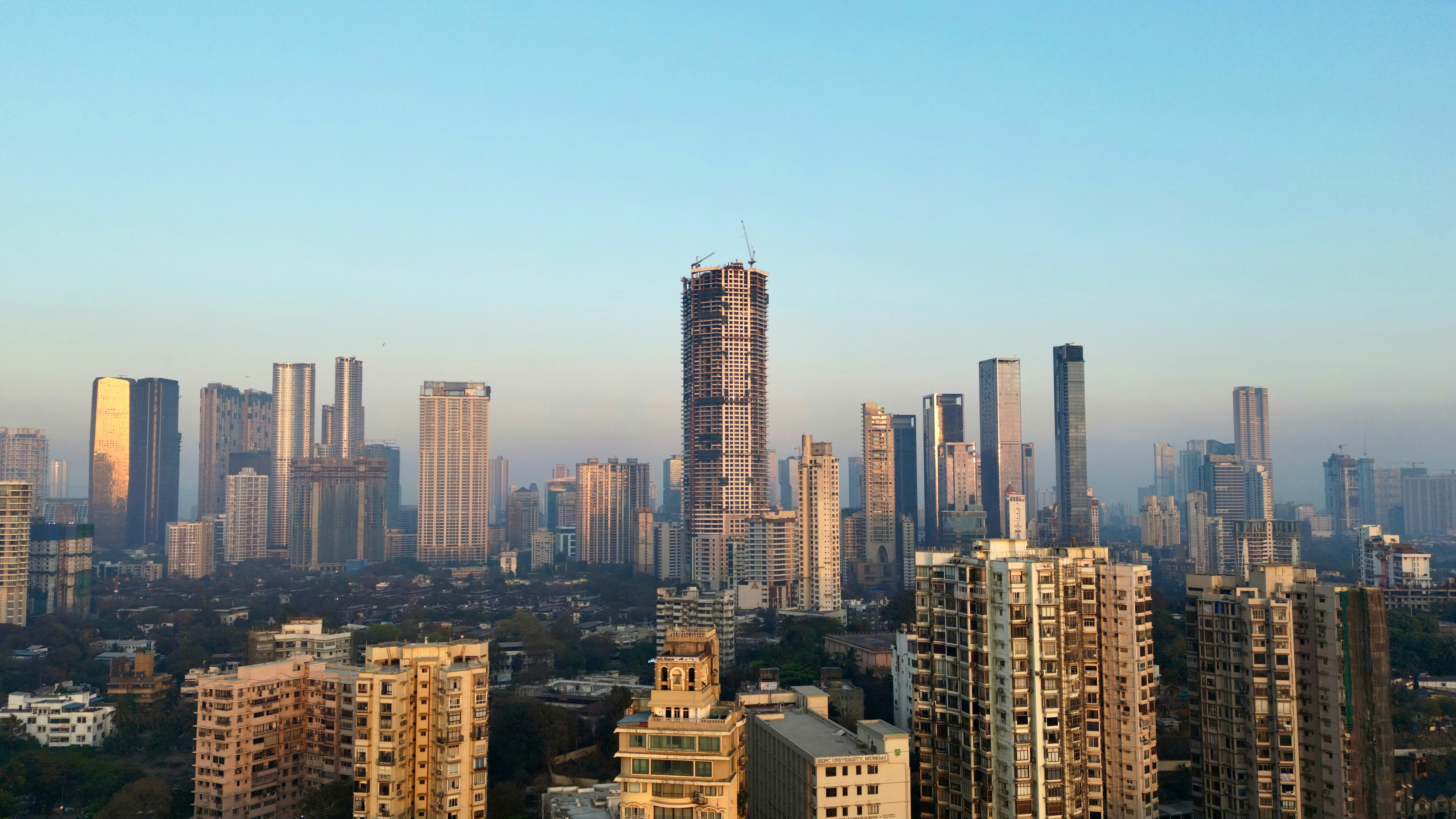
Recognized for clean governance and efficient municipal services, Indore is increasingly attractive for FMCG, food processing, and emerging tech. The city’s improving logistics and business climate have supported strong enterprise formation.
Kochi
With a strategic port, aviation links, and talent inflows from Kerala’s diaspora, Kochi is scaling IT services, shipping, and tourism. The metro network and urban improvements have enhanced mobility and quality of life.
Coimbatore
A machinery, textiles, and precision engineering hub, Coimbatore combines strong SME clusters with growing IT services. Access to industrial belts across Tamil Nadu and improving highways support manufacturing expansion.
Jaipur
Jaipur’s economy spans tourism, gems and jewelry, handicrafts, and IT services. Startup activity and infrastructure upgrades, including expressways and logistics parks, are catalyzing diversification beyond tourism.
Visakhapatnam (Vizag)
A key port city on the east coast, Visakhapatnam offers opportunities in shipping, petroleum, and IT–BPM. Multimodal connectivity and industrial zones position the city for continued growth in trade and services.
How to evaluate an emerging city
Use this simple framework to compare fast developing cities in India before you invest or relocate:
- Jobs and sectors: Presence of sunrise industries (IT–BPM, electronics, pharma, EVs, logistics).
- Connectivity: Access to airports, freight corridors, ports, metro/rapid transit, and national highways.
- Business climate: Policy stability, single‑window clearances, industrial parks/SEZs, cost of doing business.
- Livability: Healthcare, education, water, air quality, and commute times (Smart City projects can be a proxy).
- Real estate fundamentals: New supply pipeline, vacancy, rental yields, and capital value growth drivers.
- Resilience: Climate and disaster risk, quality of urban governance, and fiscal health of local bodies.
Conclusion
India’s urban transition is creating new opportunity maps. The fastest growing cities in India—from Bengaluru and Hyderabad to Surat, Indore, and Kochi—pair strong job engines with improving infrastructure and livability. For professionals, founders, and investors, tracking policy momentum, logistics upgrades, and sectoral depth will help you identify the next wave of top growth cities in India and make smarter, longer‑term decisions.
FAQs
-
What metrics best indicate a city’s growth potential?
Look at non‑farm job creation, net migration, infrastructure delivery (air, rail, metro), startup formation, industrial park absorption, and improvements in urban services. Cross‑check macro indicators with data from sources like World Bank, MoHUA, and Invest India.
-
Are Tier‑2 cities better for real estate investment than Tier‑1 metros?
Tier‑2 cities can offer lower entry prices and higher rental yields in select micro‑markets. Tier‑1 metros provide deeper liquidity and mature demand. The right choice depends on your risk tolerance, time horizon, and sub‑market fundamentals.
-
How do industrial corridors influence city growth?
Corridors improve freight efficiency and attract manufacturing and logistics, which create jobs and housing demand. Cities connected to nodes of corridors like Delhi–Mumbai or Chennai–Bengaluru often benefit from ancillary industries and better infrastructure.
-
Which Indian cities are gaining traction with startups in 2026?
Bengaluru, Hyderabad, and Pune remain strong, while Jaipur, Ahmedabad, Coimbatore, and Kochi are seeing rising founder activity due to talent availability, supportive policy, and lower operating costs.
-
What risks should I assess before moving to a fast‑growing city?
Evaluate climate and flood risk, water security, commute patterns, healthcare capacity, and the regulatory environment. Also review housing affordability and job stability in your target sector.