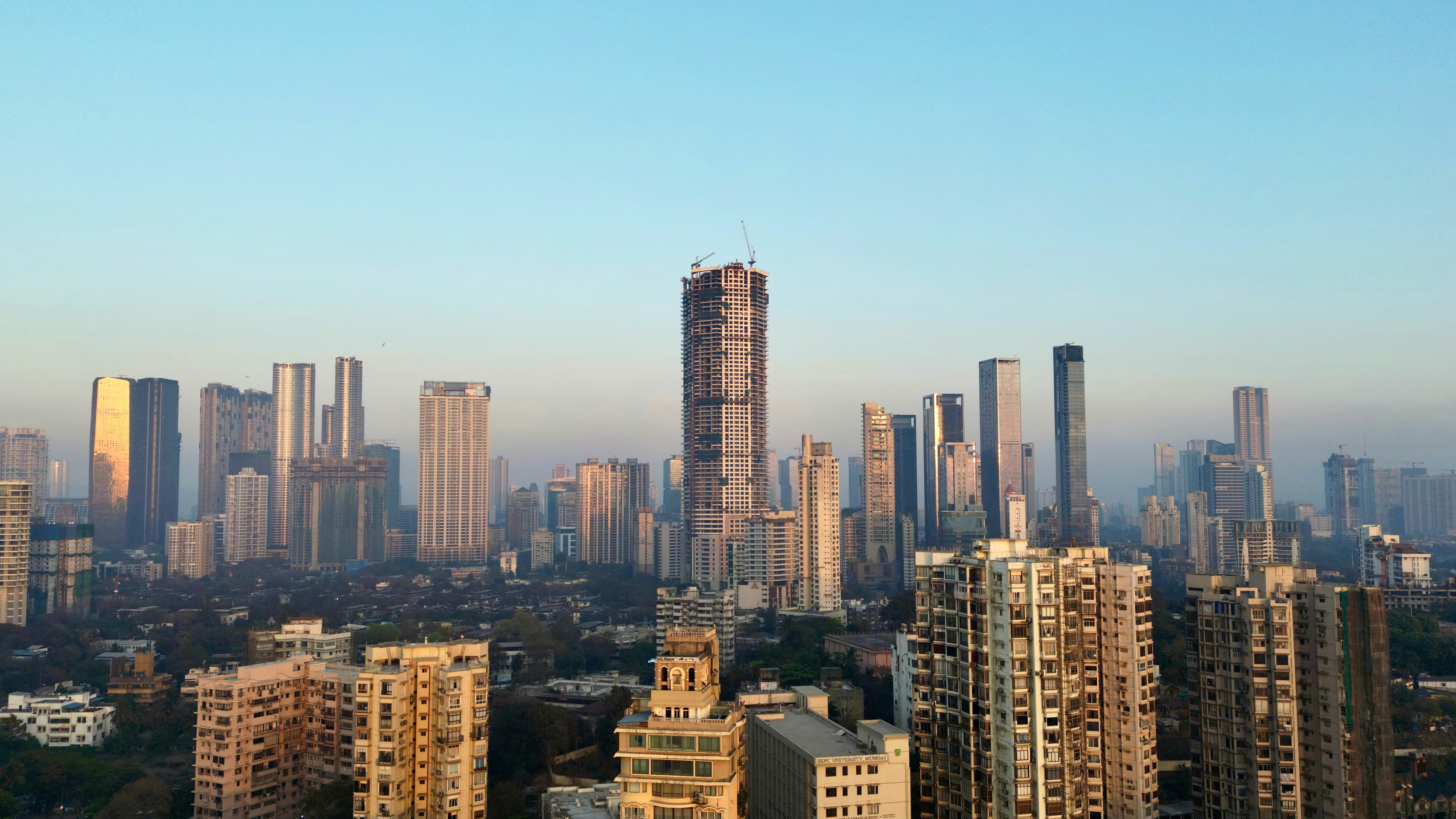
If you’ve searched for “india highest floor building,” you’re likely asking two things: which tower in India reaches the most floors above ground, and which is officially the tallest by height. As of the most recent reliable data, Mumbai’s Palais Royale leads on both counts—featuring approximately 88 floors and a height around 320 meters—positioning it as both India’s highest-floor tower and, by architectural height, the tallest building in India. Understanding why and how it holds that status requires a quick look at how building height is defined and how India’s skyline has evolved.
What “highest floor” really means
Skyscraper rankings can use different yardsticks. The Council on Tall Buildings and Urban Habitat (CTBUH) recognizes several measures, including:
- Height to architectural top (includes spires but not antennas)
- Height to highest occupied floor
- Height to tip (includes antennas)
For clarity, “highest floor” usually refers to the highest occupied floor or the most floors above ground. CTBUH’s definitions help standardize comparisons across cities and countries (CTBUH height criteria).
India’s highest floor building: Palais Royale, Mumbai
Palais Royale in Mumbai is widely cited as India’s tallest building and the tower with the highest number of floors. Key facts commonly reported include:
- Approximate height: ~320 meters
- Floors: ~88 above ground
- Primary use: Residential (luxury apartments)
- City: Mumbai, Maharashtra
Because it is a residential tower, Palais Royale also ranks among the contenders for India tallest residential building. Its rise underscores how Mumbai—constrained by land availability and driven by premium demand—has become the country’s capital for vertical living.
Why Mumbai dominates the super-tall race
- Land economics: High land values and limited plots push developers to build upward.
- Market depth: Strong luxury and upper-mid segments support premium high-rise products.
- Infrastructure upgrades: Metro lines, coastal roads, and trans-harbour connectivity enhance feasibility for denser cores.
How “tallest building in India” is determined
Most rankings use height to the architectural top. On that metric, Palais Royale leads. However, some lists emphasize the highest occupied floor or roof height, which can reshuffle standings slightly. For homebuyers and investors, the highest occupied floor is often more relevant—affecting views, wind loads, elevator planning, and maintenance costs.
Other top contenders in India’s skyline
Beyond Palais Royale, several Mumbai towers define the current league of the highest skyscraper in India category. Here are notable examples frequently referenced in public databases and media:
- Lokhandwala Minerva, Mumbai — among the country’s tallest completed residential towers.
- World One, Mumbai — about 280 meters tall; a landmark of India’s modern residential high-rise boom.
- The Imperial (twin towers), Mumbai — long-time skyline icons, formerly India’s tallest, still notable for height and scale.
- See the latest nationwide list for additional towers and emerging projects.
Buyer and investor takeaways for living on higher floors
If you’re considering a residence in one of India’s tallest skyscrapers, the floor level you choose matters. Here’s a quick guide:
- Views and noise: Higher floors typically offer expansive sea or city views and reduced street noise—but may experience stronger winds.
- Sunlight and heat: Upper levels can receive more direct sunlight; glazing quality and shading solutions are crucial.
- Elevator planning: Check for destination-controlled lifts, sky lobbies, and backup power—critical in very tall towers.
- Maintenance and HOA fees: Super-talls often have higher upkeep due to facade cleaning, mechanicals, and vertical transport systems.
- Resale dynamics: Premiums for very high floors can be significant in prime micro-markets, but vary with view corridors and project reputation.
How India compares regionally
India’s supertall pipeline is more measured than some East Asian markets, but the pace has accelerated as construction technology, financing structures, and regulatory clarity have improved. Mumbai’s share of 200m+ towers far exceeds other Indian cities, and incremental transit upgrades continue to support vertical densification along key corridors.
Conclusion: finding the definitive India highest floor building
For most readers, the straight answer is: Palais Royale in Mumbai currently sets the benchmark for both the highest floor and the tallest building in India by architectural height, while also standing among the tallest residential towers nationwide. As new projects reach completion, always verify whether rankings use architectural top, roof height, or highest occupied floor—the metric can change the leaderboard, but the address most associated with India’s pinnacle of vertical living today remains Palais Royale.
FAQs
1) Which building has the highest floor in India?
Palais Royale, Mumbai, is widely cited as having the highest number of floors and the highest occupied floors among Indian towers, alongside being the tallest by architectural height.
2) What is officially the tallest building in India right now?
On the commonly used CTBUH metric of height to architectural top, Palais Royale in Mumbai leads. For ongoing updates and context on metrics, see CTBUH’s height criteria.
3) What is the tallest residential building in India?
Palais Royale is among the tallest residential buildings in India. Other notable residential high-rises include Lokhandwala Minerva and World One, both in Mumbai.
4) Which city in India has the most skyscrapers?
Mumbai hosts the majority of India’s tallest and highest-floor buildings, driven by land economics, premium demand, and major transport investments.
5) How is “highest floor” different from “tallest building”?
“Tallest building” usually refers to height to the architectural top, while “highest floor” focuses on the highest occupied level or total floor count. A tower can lead in one metric and not the other, though in India today, Palais Royale leads on both.