The Indian real estate market is a dynamic landscape, constantly shaped by economic shifts, policy changes, and evolving buyer aspirations. As we look towards the future, a crucial question emerges for potential homeowners and investors: Is 2026 the best time to buy a home in India? The answer isn’t simple, but by examining key trends like affordable housing, sustainable living, and the rise of Tier 2 and Tier 3 cities, we can paint a clear picture of the opportunities and challenges that lie ahead.
The Evolving Indian Real Estate Landscape
India’s property market has shown remarkable resilience and growth, rebounding strongly after the pandemic. This momentum is driven by strong economic fundamentals, increasing urbanization, and a growing middle class with aspirations of homeownership. According to a 2024 report by the India Brand Equity Foundation (IBEF), the market size is expected to reach US$ 1 trillion by 2030, indicating robust long-term health. As we approach 2026, several specific factors are set to define the property landscape.
Key Drivers for the 2026 Property Market
1. Government Policies and Affordable Housing
The government’s continued focus on “Housing for All” is a significant catalyst. Initiatives like the Pradhan Mantri Awas Yojana (PMAY) have already given a massive push to the affordable housing sector. While the PMAY-Urban mission was extended to December 2024, its impact and potential successor schemes will continue to influence supply and demand in 2026. Furthermore, the regulatory oversight of the Real Estate (Regulation and Development) Act, 2016 (RERA) has matured, bringing more transparency and accountability to the sector. This has boosted buyer confidence, making real estate a more secure investment.
2. The Unstoppable Rise of Tier 2 and Tier 3 Cities
The narrative of Indian real estate is no longer dominated by metros like Mumbai and Delhi. A paradigm shift is underway, with Tier 2 and Tier 3 cities emerging as the new growth engines. Cities such as Jaipur, Lucknow, Coimbatore, Indore, and Visakhapatnam are witnessing a surge in real estate activity. This growth is fueled by:
- Infrastructure Development: The government’s focus on improving connectivity through highways, airports, and metro rail networks is making these cities more accessible and attractive.
- Corporate Expansion: Many IT and manufacturing companies are setting up bases in these cities, creating jobs and driving housing demand.
- Better Quality of Life: These cities offer a lower cost of living, less pollution, and a more relaxed lifestyle compared to their metropolitan counterparts.
- Higher ROI: Property prices in these emerging cities have a lower entry point but a higher potential for appreciation, offering attractive returns for investors.
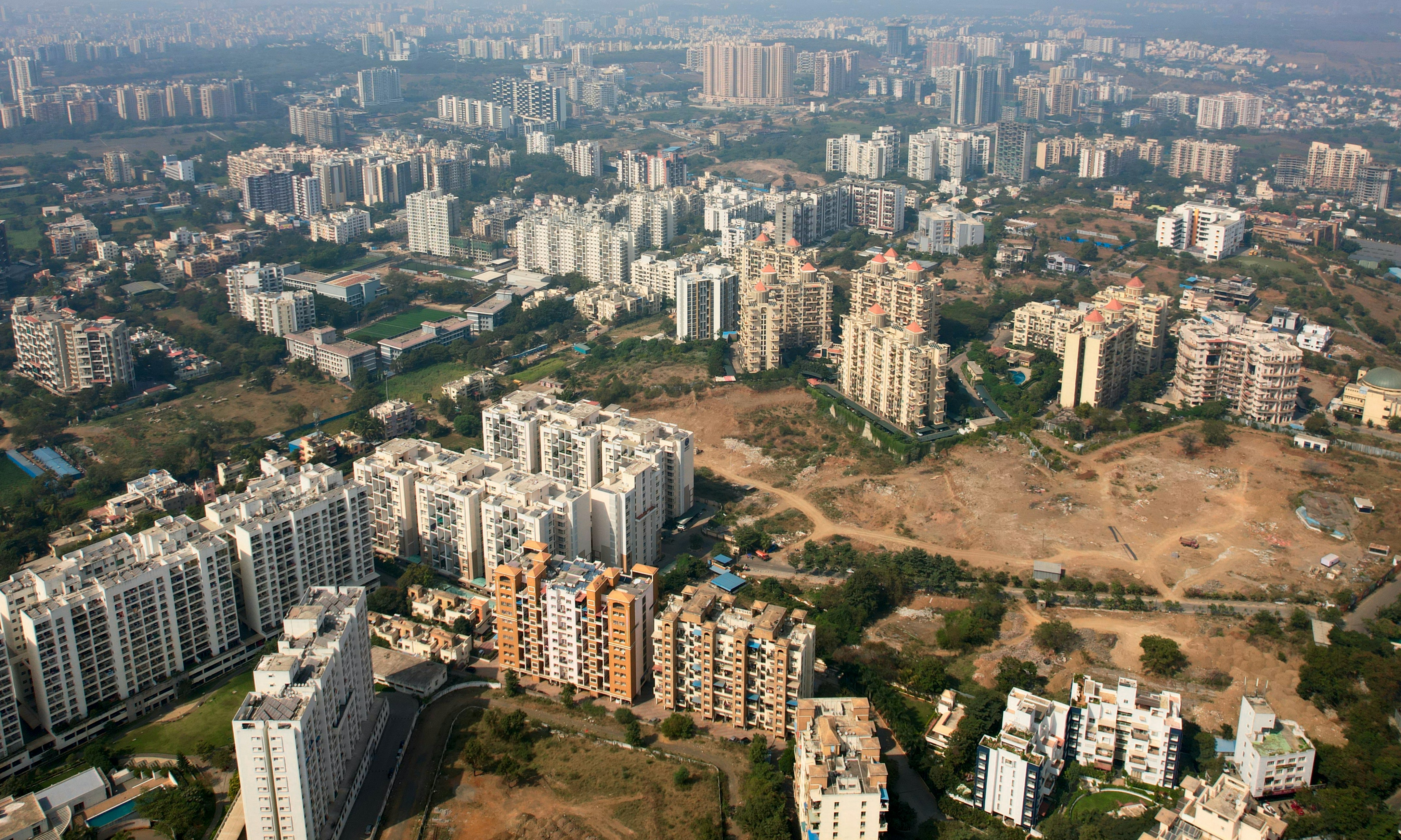
For homebuyers in 2026, this trend opens up a wider range of options beyond the saturated and expensive metro markets.
3. The Green Wave: Sustainability in Housing
Modern homebuyers are environmentally conscious. This shift in mindset is driving demand for sustainable and green homes. By 2026, this niche is expected to become a mainstream expectation. Developers are increasingly incorporating eco-friendly features into their projects, not just for their environmental benefits but also for their long-term cost savings for residents.
Look for projects that offer:
- Solar panels for common area lighting and water heating.
- Rainwater harvesting systems to reduce water dependency.
- Efficient waste management and sewage treatment plants.
- Use of sustainable and locally-sourced building materials.
- Ample green spaces, parks, and natural ventilation.
These features not only reduce the carbon footprint but also lead to lower utility bills, making green homes a smart financial decision. According to a report from Knight Frank, sustainability is a growing consideration in property decisions, a trend that will be firmly established by 2026.

4. Economic Factors: Interest Rates and GDP Growth
The macroeconomic environment plays a pivotal role. India is projected to remain one of the world’s fastest-growing major economies. Stable GDP growth translates to higher disposable incomes and a greater capacity for homeownership. However, homebuyers must keep a close eye on the Reserve Bank of India’s (RBI) stance on repo rates. While interest rates have been relatively stable, future inflationary pressures could lead to hikes, affecting home loan affordability. By 2026, the interest rate environment will be a critical factor in determining the overall cost of buying a home.
Challenges to Consider
While the outlook is largely positive, potential buyers in 2026 should be mindful of certain challenges. Property prices, especially in high-demand areas of Tier 1 and Tier 2 cities, are likely to continue their upward trajectory. Delays in project completion, though reduced under RERA, can still be a concern. It is crucial to conduct thorough due diligence on the developer’s track record and the project’s legal clearances.
So, Should You Buy a Home in 2026?
Considering the confluence of government support for affordable housing, increased market transparency, the rise of high-potential Tier 2/3 cities, and the move towards sustainable living, 2026 appears to be a very promising year for homebuyers in India. The market is maturing, offering a wider variety of options to suit different budgets and lifestyle preferences.
However, the “best time” to buy a home is ultimately a personal decision. Before you take the plunge in 2026, ask yourself:
- Are my finances in order? Do I have a stable income and a sufficient down payment?
- What are my long-term goals? Am I buying for self-use or as an investment?
- Have I researched my preferred location? What are the infrastructure, social amenities, and future growth prospects of the area?
- Have I chosen a reputable developer? Check their past projects and delivery timelines.
Conclusion
2026 is shaping up to be a defining year for Indian real estate. The market is aligning with the needs of the modern buyer, who seeks affordability, connectivity, and sustainability. While national trends provide a favorable backdrop, the final decision rests on your personal financial readiness and goals. With careful planning and thorough research, 2026 could indeed be the golden year for you to unlock the door to your dream home.